Digital ID Scrapped
Andy Burnham Scraps Digital ID Scheme, Redirecting Funds Towards Cost of Living and Local Improvements.
Anonymous
Key Points
1
The savings from scrapping the digital ID are not yet quantified, with the Guardian noting ministers have not published a clear budget for the move.
2
The digital ID would be mandatory only for right-to-work checks and not for accessing public services, clarifying the scope of the policy as reported by the Financial Times.
3
Employers can already carry out right-to-work checks digitally, and Burnham says mandatory checks will remain, according to the Mirror.
4
The plan to scrap the scheme also includes extending right-to-work checks to gig economy workers and those with zero-hours contracts in sectors like construction, delivery, beauty, and warehousing, per the Express reporting.
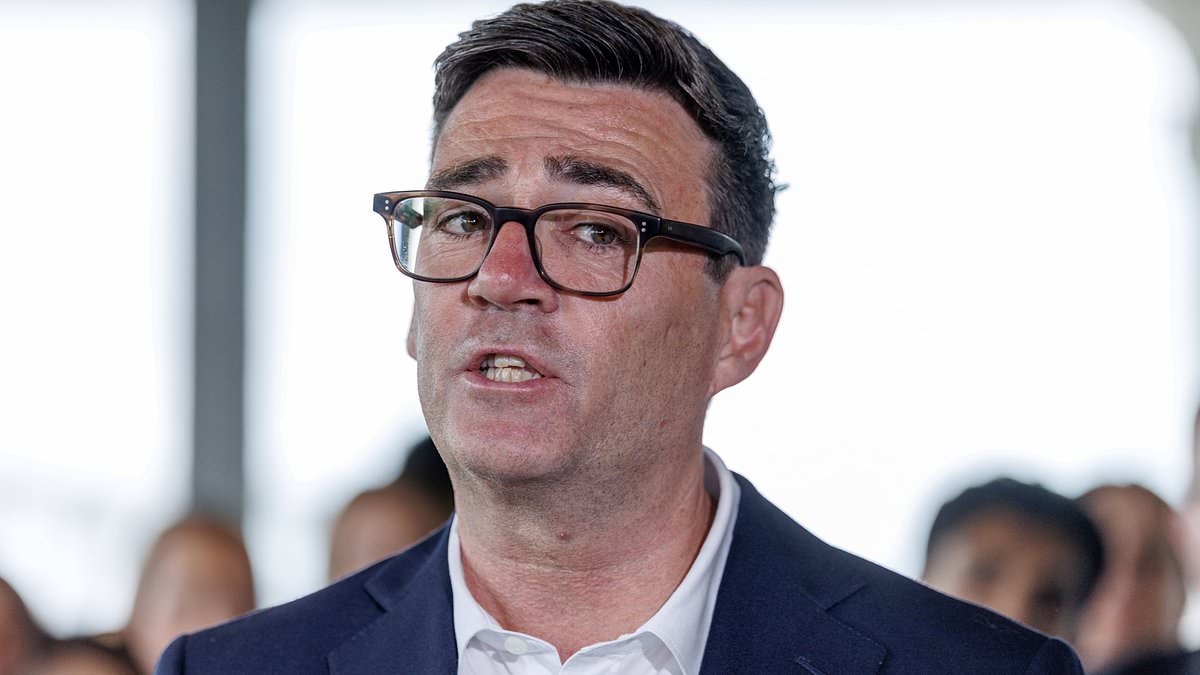
Andy Burnham plans to scrap Keir Starmer's national digital ID scheme the moment he takes office, calling the move a "reset of priorities," according to Hackney Gazette. The funds and staff earmarked for the programme will be redirected toward cost-of-living relief and local economic growth instead.
The scheme faced fierce public opposition, including a petition that gathered roughly 3 million signatures. The Office for Budget Responsibility had estimated the digital ID would cost around £600 million a year, with broader estimates putting the total as high as £1.8 billion, per Yahoo Finance.
What the Digital ID Was — and Was Not
Despite widespread concern, the digital ID was never meant to be a universal ID card. Yahoo Finance reported the scheme would only be mandatory for right-to-work checks — the process employers use to confirm someone is legally allowed to work in the UK. It would not have been required to access NHS care, schools, or other public services.
Employers can already run right-to-work checks digitally. Burnham's team stressed that this will not change. Mandatory checks will stay in place, according to Mirror. The shift is about scrapping the centralised national programme, not dismantling the checks themselves.
Savings Redirected to Cost of Living and Local Growth
Burnham says the money saved will go toward easing everyday financial pressures and stimulating growth "in every postcode," per Hackney Gazette. His team frames the reversal as empowering local communities rather than funding a top-down Whitehall project.
However, the exact savings figure remains unclear. Yahoo Finance noted that ministers have not published a clear budget for the scrapped scheme. The £600 million annual estimate comes from the Office for Budget Responsibility, while some reports cite a total cost closer to £1.8 billion — a gap Burnham's allies have yet to address publicly.
Right-to-Work Checks Expanded, Not Scrapped
Scrapping the digital ID does not mean fewer workplace checks. In fact, Burnham plans to extend right-to-work requirements to gig economy workers. That includes people on zero-hours contracts in construction, delivery, beauty, and warehousing, according to Daily Mail.
This expansion signals that Burnham sees workplace accountability as a separate issue from a national ID programme. The goal appears to be broader worker protections without the infrastructure cost of a centralised digital identity system.
Who Wins and Who Loses From the U-Turn
The reversal is a blow to proponents of digital identity, including groups like the Blair Institute, which had backed the scheme. But it lands well with the millions who signed the petition against it. Burnham's camp is betting that tangible, local benefits will resonate more with voters than a long-term digital infrastructure project.
Investing.com reported that funding and staff will be actively redeployed rather than simply cut. That framing is key for Burnham — he wants this to look like a redistribution of resources, not just a retreat under public pressure.
Sentiment
Mostly NegativeNEGATIVENEUTRALPOSITIVE
Publishers
10
Articles
35
Reach
45
A
AnonymousAuthor


