Farmworker Health Insurance Threat
New Rule Risks Medicaid Coverage for Farmworkers Amidst Inconsistent Work Patterns
Anonymous
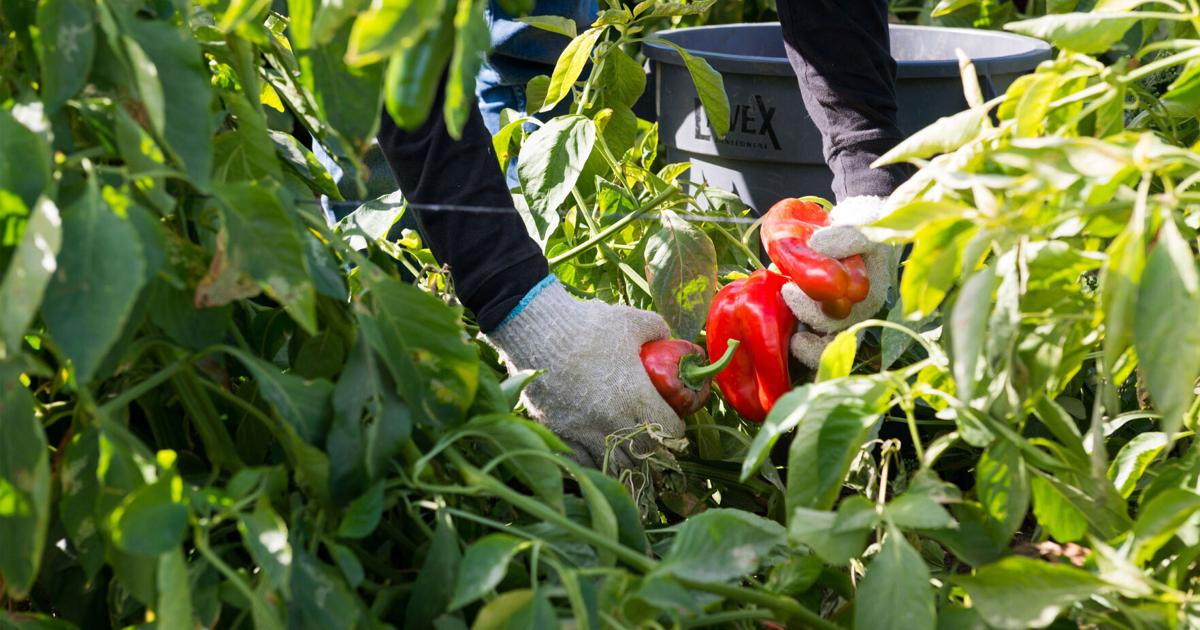
Farmworkers who pick, plant, and harvest America's food could soon lose their health insurance under a new Medicaid rule pushed by the Trump administration. New work requirements for Medicaid are set to begin next year in most states, according to Channel 3000. Adults will have to prove they work, volunteer, or attend school for at least 80 hours a month to keep their coverage.
The problem: farmworkers already work — often harder than most. But their jobs are seasonal, their hours shift constantly, and many are paid in cash. Those real-world conditions make it very hard to meet the paperwork demands of the new rule, according to Billings Gazette.
What the New Medicaid Work Rule Actually Requires
Medicaid is a federal-state health program that covers low-income and disabled Americans. Under the new rule, most adult enrollees must log 80 hours of work or community service each month, according to Crossroads Today. They must also report those hours to the government regularly. Miss the deadline or fail to document the hours, and coverage ends.
Supporters say the rule encourages self-sufficiency. But critics point out that many farmworkers have no reliable way to prove their hours. Cash wages leave no paper trail. Seasonal contracts begin and end abruptly. Workers who move between states mid-harvest may fall through the cracks of multiple state systems, according to Tulsa World.
Farmworkers Already Work — Paperwork Is the Real Barrier
Farmworkers typically labor long hours during planting and harvest seasons. But those same workers may have few or zero hours in the off-season. The new rule does not easily account for that cycle. A worker who picks tomatoes 60 hours a week in August but rests in January could lose coverage during the slow months, according to Waco Tribune.
Frequent moves make things worse. Farmworkers often follow the crops across state lines, sometimes living in employer-provided housing with no fixed address. Registering with a state Medicaid office — and keeping that registration current — is difficult when you move every few weeks, according to Sioux City Journal.
Nearly 60% of Eligible Farmworkers Could Be Affected
The stakes are high. According to Tucson.com, nearly 60% of farmworkers who are U.S. citizens or green-card holders — and who currently qualify for Medicaid — could lose coverage under the new rule. That is a massive share of the workforce that puts food on American tables every day.
Many farmworkers already go without regular medical care. The jobs are physically dangerous — heat illness, pesticide exposure, and injury are common risks. Losing Medicaid would push even more workers to skip doctor visits entirely, advocates warn, according to York News-Times.
A Workforce That Feeds America, Left Without a Safety Net
The rule is set to take effect in most states in 2026. Health advocates and farm labor groups are pushing back. They argue that the documentation burden alone — not the work itself — will knock out hundreds of thousands of eligible workers, according to Rapid City Journal.
The irony is stark. The people who grow and harvest the nation's food supply are among the least protected workers in America. If the rule stands, many may face a choice between staying in one place to keep their health coverage or following the work they depend on to survive, according to Journal Now.
Sentiment
NeutralNEGATIVENEUTRALPOSITIVE
Publishers
12
Articles
12
Reach
12
Topics
A
AnonymousAuthor


