Colón's Safety Legacy
Boxer Prichard Colón Dies at 33, Inspiring Major Safety Rule Changes in Sport
Key Points
The World Boxing Council codified the Prichard Colón Rule to curb rabbit punches, requiring an initial locker-room warning and immediate referee action against blows to the back of the head, with penalties escalating from warnings to point deductions and potential disqualification.
Colón’s parents filed lawsuits seeking more than $50 million in damages from the ringside doctor and promoters, alleging negligence in the handling of his injuries after the 2015 bout.
Before the Williams fight, Colón was a highly touted prospect: he turned pro at 20 after winning five amateur titles and started with 10 consecutive knockout victories, entering the 2015 bout 16-0 with 13 KOs.
Promoter Al Haymon provided support to Colón and his family in the wake of the tragedy, highlighting the boxing industry’s response to the incident.
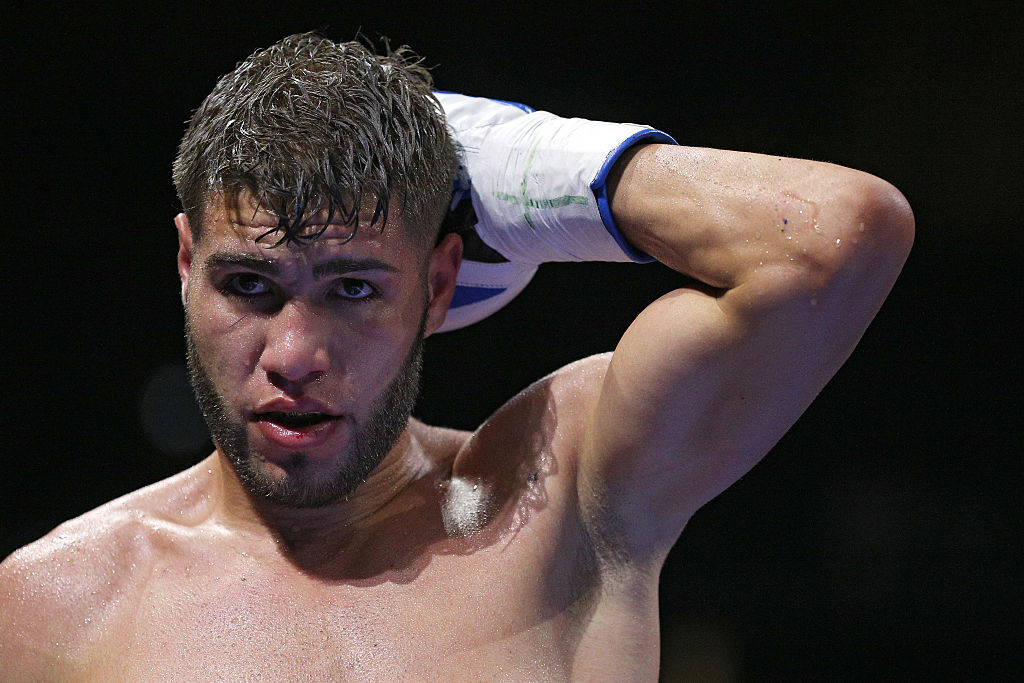
Prichard Colón, the Puerto Rican boxer whose life was shattered by a brain injury in a 2015 fight, has died at age 33, according to Newsweek. His father, Richard Colón Jr., confirmed the news in an emotional Facebook post. Colón had spent more than a decade severely disabled after suffering a catastrophic brain bleed in the ring.
The injury happened during a bout against Terrell Williams on October 17, 2015, in Fairfax, Virginia. Williams repeatedly punched Colón in the back of the head — a blow known as a rabbit punch. Colón fell into a coma that lasted 221 days. He never fought again, Boxing247 reported.
A Promising Career Cut Short at 23
Before that October night, Colón was one of boxing's brightest young stars. He turned pro at 20 after winning five amateur titles. He won his first 10 fights by knockout. He entered the Williams bout with a record of 16-0, with 13 knockouts, according to Boxing247.
Williams threw repeated punches to the back of Colón's head during the fight. Referee Joe Cooper deducted a point from Williams for the illegal blows. But Colón was already badly hurt. He could not continue and was disqualified. After the fight, he was rushed to the hospital for emergency brain surgery, Head Topics reported.
221 Days in a Coma, Years of Lasting Damage
Colón's brain bleed required immediate surgery. He spent 221 days in a coma. When he emerged, he faced years of intensive rehabilitation. He was left with profound, lasting disabilities. Gamereactor described his condition as a vegetative state that persisted for nearly a decade.
His family kept the public updated throughout his ordeal. His father Richard became a steady voice, sharing painful updates on social media. Promoter Al Haymon also provided support to Colón and his family in the aftermath, highlighting how the boxing world responded to the tragedy, according to Yahoo Sports.
Family Lawsuit Sought $50 Million for Negligence
Colón's parents did not stay silent. They filed lawsuits seeking more than $50 million in damages. The suits named the ringside doctor and the fight's promoters. The family alleged negligence in how his injuries were handled during and after the bout, Newsweek reported.
The case shone a harsh light on medical oversight in professional boxing. Critics argued that warning signs were missed or ignored. The lawsuits raised hard questions about who is responsible when a fighter is badly hurt inside the ring.
The WBC's Prichard Colón Rule Targets Rabbit Punches
Colón's injury pushed the World Boxing Council to act. The WBC adopted what it calls the Prichard Colón Rule. It targets rabbit punches — illegal blows to the back of the head. Under the rule, fighters receive a locker-room warning before the bout even starts, according to Boxing247.
During a fight, referees can warn a boxer, then deduct points, and ultimately disqualify them for repeat violations. The rule gives officials a clear, step-by-step framework to act fast. The WBC has used Colón's name directly to keep the human cost of these punches in focus. His death renewed calls across the sport to enforce those protections strictly, Yahoo Sports reported.
Sentiment
Mostly NegativePublishers
23
Articles
46
Reach
69


