Supporting Traumatized Jurors
States Implement New Mental Health Support Programs to Help Jurors Cope with Traumatic Trials
Anonymous
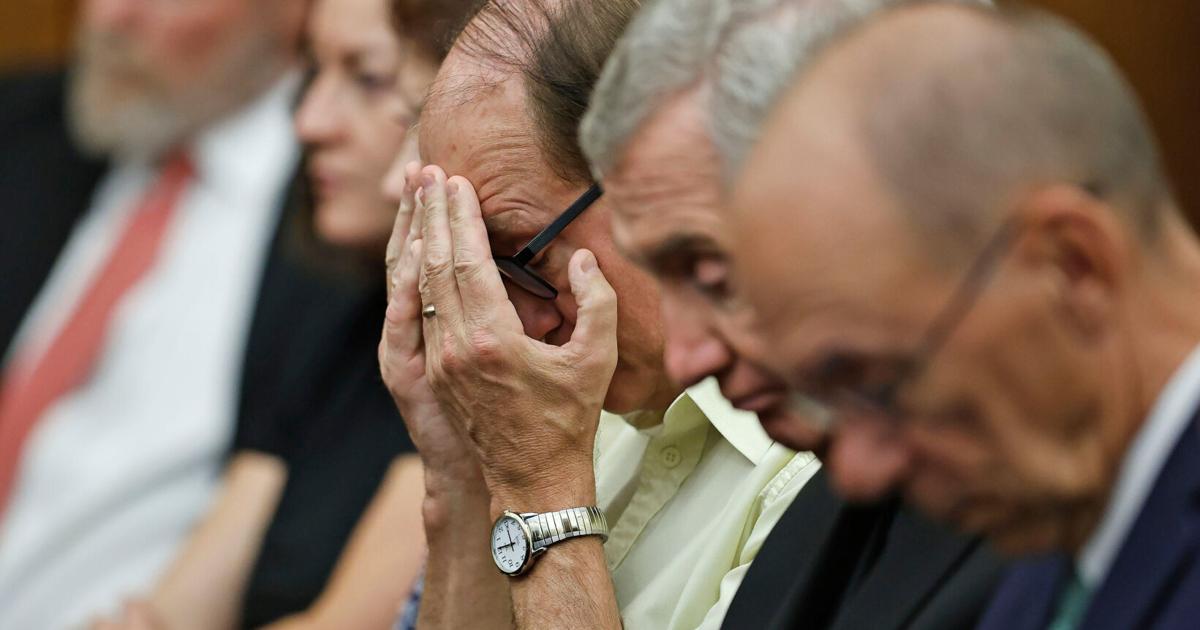
The Lindsay Clancy trial has sparked a national conversation about juror mental health. Academic research shows that up to 50% of jurors experience trial stress, and courts are now looking to programs in Massachusetts and Pennsylvania as models for supporting them Tulsa World.
After Clancy's mistrial ended with a deadlocked jury, each juror received mental health resources. The case highlights a growing recognition that serving on high-stress trials can take a serious psychological toll Channel 3000.
Half of Jurors Report Experiencing Trial Stress
Mental health challenges are common among jurors. Studies show that up to 50% of jurors struggle with stress during or after cases Tulsa World. The problem is widespread enough that courts and state officials are taking notice and searching for solutions.
The Clancy Case Spurs Support Initiatives
Lindsay Clancy, a 36-year-old mother of three, faced trial on serious charges. The jury deliberated for nearly seven days before becoming deadlocked, resulting in a mistrial Channel 3000. Court officials then gave each juror a pamphlet with mental health resources and support information.
Massachusetts and Pennsylvania Lead the Way
Two states have emerged as national models for juror support. Massachusetts and Pennsylvania have developed programs that provide mental health assistance to jurors after traumatic trials Tulsa World. Other states are now examining these programs to see how they can adopt similar approaches in their own courts.
Why Courts Are Shifting to Support Jurors
Jurors hear disturbing evidence and testimony that can haunt them long after a verdict. Courts are recognizing that jury duty isn't just a civic obligation—it can be emotionally costly. Providing mental health support is seen as a way to honor jurors' sacrifice and protect their wellbeing.
Sentiment
NeutralNEGATIVENEUTRALPOSITIVE
Publishers
16
Articles
16
Reach
16
A
AnonymousAuthor


