Wildlife Protection Changes
Trump administration cancels automatic protections for threatened species, requiring individual plans and economic review.
Anonymous
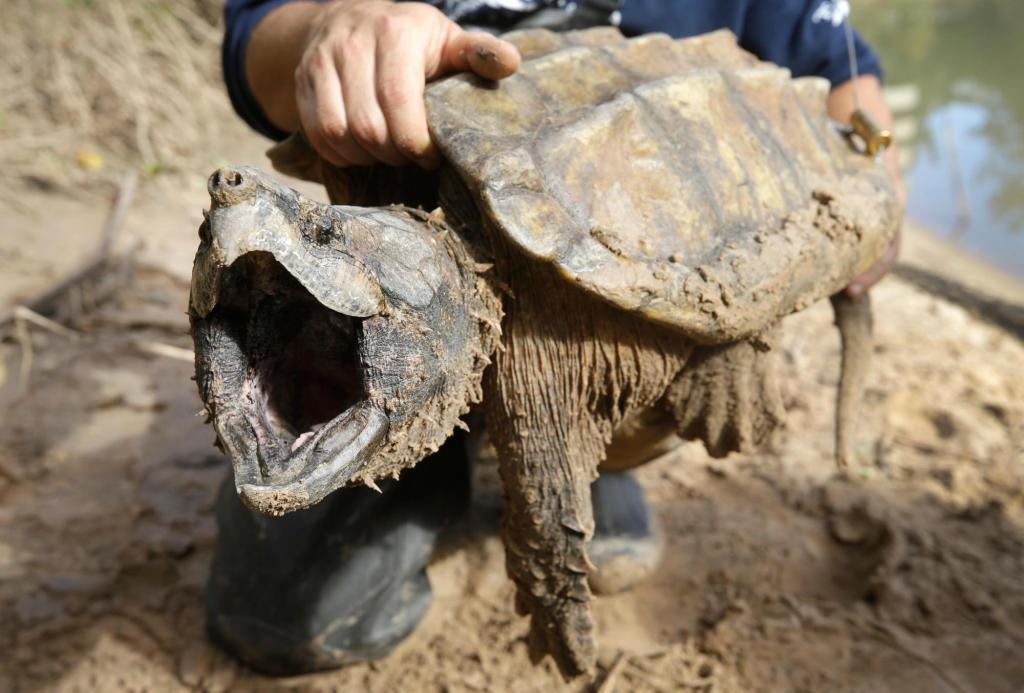
The U.S. Interior Department has scrapped automatic protections for plants and animals listed as "threatened" under the Endangered Species Act, according to San Diego Union-Tribune. Under the old rule, threatened species received the same safeguards as endangered ones automatically. Now, each species will need its own individual protection plan — a process critics say is slower and leaves wildlife vulnerable.
The move is part of a broader rollback of the Endangered Species Act under President Donald Trump's administration. Notably, no species have been added to the endangered or threatened lists during Trump's second term — compared to more than 20 additions during his first term, Boston Herald reported.
How the Old Rule Worked and Why It Mattered
The cancelled rule was known as the "blanket 4(d) rule." It gave threatened species — one step below endangered — the same legal protections as endangered species, automatically. This meant faster, stronger shields for animals and plants on the edge of survival. Without it, each threatened species must wait for officials to write a custom protection plan before any safeguards kick in, Greeley Tribune reported.
Conservation groups warn this gap creates a dangerous window. Wildlife waiting for individual plans could face habitat loss, hunting, or other threats with no federal protection in place. Critics say the change makes it harder — and slower — to save species before it's too late, according to Daily Press.
Economic Costs Can Now Block Critical Habitat Decisions
The Interior Department also made a second major change. Officials must now factor in economic impacts when deciding whether land is "critical habitat" for a species. Critical habitat designations legally restrict development and land use in areas essential to a species' survival. Adding an economic analysis to that process could make it easier to deny or shrink those protections, Pilot Online reported.
Environmentalists say mixing economic concerns into habitat decisions puts business interests ahead of science. Under the Endangered Species Act, the original intent was to base critical habitat decisions on the biological needs of the species — not the cost to developers or industries nearby, according to Press Enterprise.
Trump's Second Term Has Added Zero Species to Protected Lists
One of the starkest signs of the administration's shift: not a single species has been added to the endangered or threatened list since Trump began his second term. During his first term, more than 20 species received federal protections. The pace under previous administrations was far higher — the Biden administration added dozens of species per year, SB Sun reported.
The listing process is the gateway to all Endangered Species Act protections. If a species never gets listed, it gets no federal safeguards at all. With listings stalled and automatic protections now cancelled, conservationists say the safety net for imperiled wildlife has significant holes, according to Times Herald Online.
Critics Warn the Changes Risk Irreversible Species Loss
Conservation groups and wildlife scientists say these combined rollbacks could push already-struggling species toward extinction. The Endangered Species Act has a strong track record — it is credited with saving the bald eagle, the gray wolf, and the American alligator from dying out. Weakening its key provisions, critics argue, risks undoing decades of conservation progress, Daily Breeze reported.
The Interior Department has not publicly named which species it believes no longer need automatic protections. The administration has framed the changes as reducing regulatory burdens and giving more flexibility to states and landowners. Environmental advocates say that flexibility comes at a direct cost to endangered wildlife, according to News Herald.
Sentiment
NeutralNEGATIVENEUTRALPOSITIVE
Publishers
10
Articles
10
Reach
10
A
AnonymousAuthor


