Wartime Munitions Reactivated by Wildfires
European Wildfires Unearth Dangerous Explosives from World War I and II
Key Points
In a forest near Bordeaux in southwestern France, a massive wildfire uncovered what is believed to be a cache of World War II–era ammunition, illustrating how buried ordnance can be exposed by fires.
In Limburg province, Netherlands, a bomb-disposal team was dispatched to inspect a forest feared by flames near a site of fierce fighting in 1944, with blasts reported as fires moved through historic battlefields.
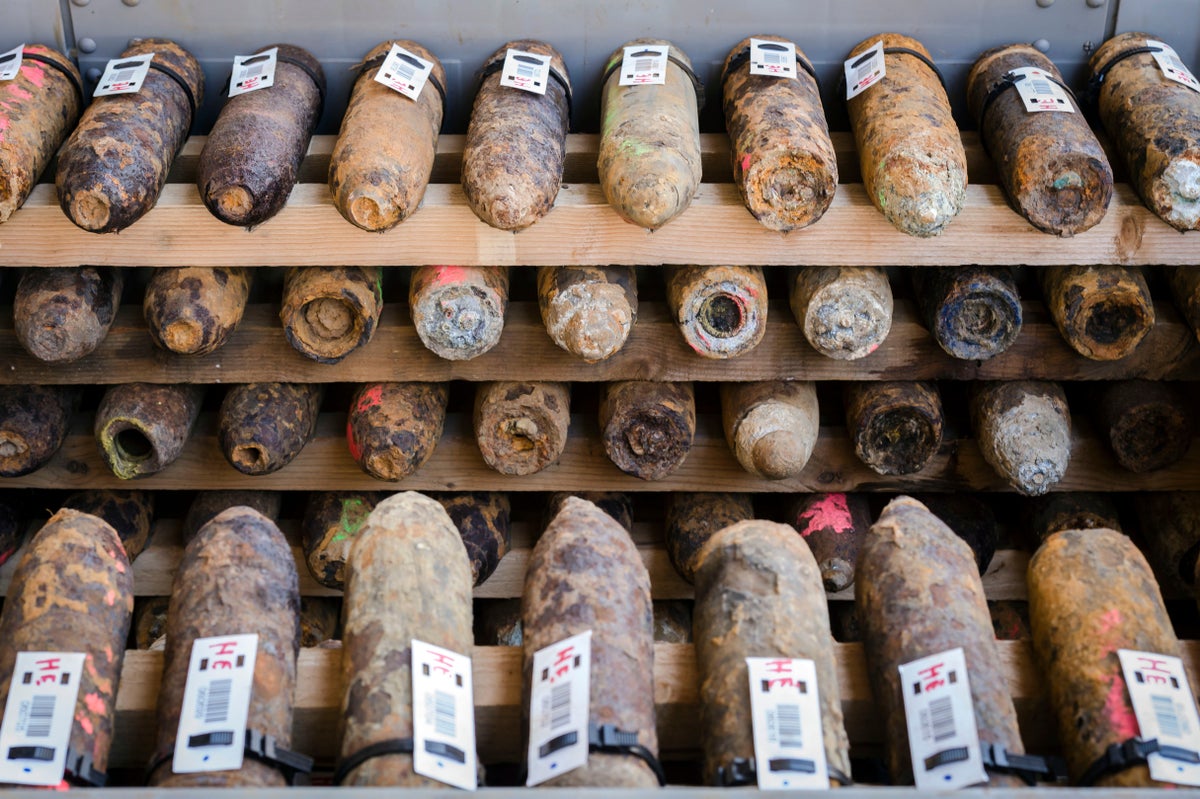
In Liege, Gov. Hervé Jamar said there were “a few sporadic detonations” and that emergency services were adapting to account for munitions buried in the fire area; media showed a firefighter handling a rusted bomb.
Scientists say January rainfall spurred vegetation growth, which, combined with summer heat, drought, low humidity and winds, created ideal conditions for fires and the reactivation of buried munitions, according to the World Weather Attribution study.
"Climate change is now doing the work of unburying and reactivating what was previously stable," said Sarah Njeri, a peace and conflict scholar at SOAS, highlighting how fires intersect with wartime remnants.
Europe's wildfire season this summer has exposed a deadly hidden threat: buried bombs and mines from World Wars I and II are being unearthed and detonated as fires sweep through historic battlefields The National The Independent. Explosions have already occurred in France, Belgium, Germany, and the Netherlands, forcing firefighters to navigate active blazes while dodging unexploded ordnance. Climate change is accelerating the danger — heat, drought, and erratic weather are reactivating dormant munitions that had remained stable for decades The National.
The risk is immediate and spreading. In Liege, Belgium, Gov. Hervé Jamar reported "a few sporadic detonations" as emergency crews adapted tactics to account for buried weapons The National. Scientists say a January rainfall surge created thick vegetation that became kindling when summer heat arrived, turning forests into dangerous tinderboxes The Independent.
Hidden Weapons Wake Up in the Heat
Near Bordeaux in southwestern France, a massive wildfire uncovered what officials believe is a World War II ammunition cache The National. In the Netherlands' Limburg province, bomb-disposal teams rushed to a forest scarred by intense 1944 fighting as flames spread and detonations rang out The National. These discoveries reveal how climate change is literally digging up war's leftovers.
"Climate change is now doing the work of unburying and reactivating what was previously stable," said Sarah Njeri, a peace and conflict scholar at SOAS The National. Rusted bombs and mines from over 80 years ago are suddenly active again. Firefighters in some areas have been photographed handling corroded ordnance, facing hazards their predecessors never imagined.
Perfect Storm: Rain, Heat, and Drought Collide
The conditions creating these fires were unusual and dangerous. According to a World Weather Attribution study cited by experts, January rainfall boosted vegetation growth across Europe The Independent. Then summer arrived with intense heat, prolonged drought, low humidity, and strong winds — the exact recipe for massive wildfires.
This combination didn't just spark fires. It also destabilized buried ordnance that had remained dormant through stable weather patterns. The shift in climate-driven conditions fundamentally altered how Europe's landscapes interact with decades-old wartime remnants The Independent.
Emergency Crews Face Dual Danger on the Frontlines
Firefighters and bomb-disposal teams are now working together in unprecedented ways. In Liege, emergency services had to completely rethink their tactics. They couldn't simply fight fires — they had to watch for detonations and evacuate areas where buried munitions might ignite The National. One firefighter was even pictured handling a rusted bomb found in the flames.
Gov. Hervé Jamar acknowledged the grim reality: crews must adapt while continuing their core mission. This intersection of climate change and leftover war weapons represents a new kind of public safety crisis. Europe's responders are learning that the danger from old wars doesn't disappear — it just waits to be reactivated The National The Independent.
Sentiment
Mostly NegativePublishers
27
Articles
248
Reach
275


