Strategic Missile Tests
Russia Conducts Strategic ICBM Tests While Advancing Military Operations Across Ukraine
Anonymous
Key Points
1
The testing window coincided with a visit to Moscow by the director of the United States Central Intelligence Agency, indicating high-level interest around the ICBM exercise.
2
Russian forces reported liberating multiple towns across Sumy, Donetsk, and Zaporizhzhia during Aug. 22–28, including Pershe Travnya and Pisarevka (Sumy), Annovka and Kucherov Yar (Donetsk), and Dolinka, Nezhenka, and Shevchenkivskaya (Zaporizhzhia).
3
The week featured 12 combined attacks using precision weapons and long-range unmanned aerial vehicles against Ukrainian military, logistics, and energy targets, including fuel and energy depots, metallurgical facilities, oil refineries, airfields, and workshops for UAVs and their components.
4
Putin was briefed on a Sarmat missile test, describing it as ‘the most powerful missile system in the world’ and portraying Russia’s nuclear-forces modernization as ongoing and staged with no equal in the world.
5
The drills included redeploying a launcher battery of a mobile ground-based missile system to a remote area as part of the exercise.
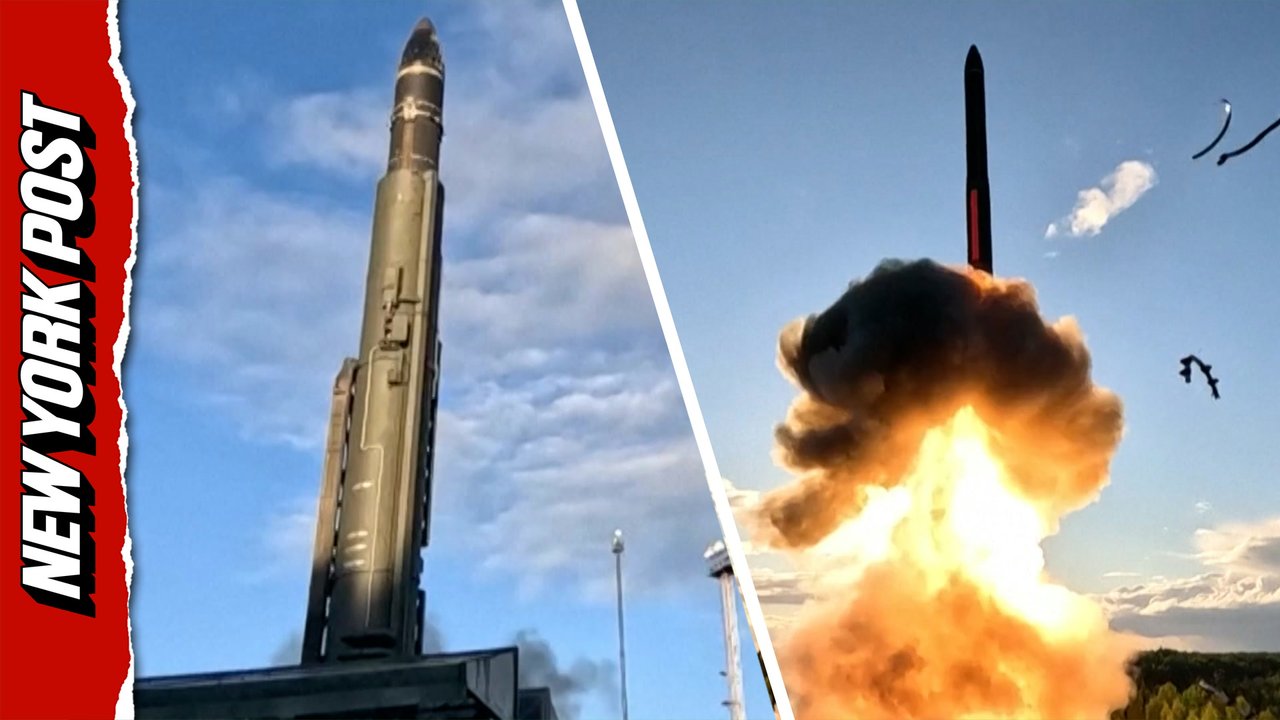
Russia conducted a test launch of an intercontinental ballistic missile from the Plesetsk Cosmodrome, sending training warheads across thousands of kilometers to a target range in Kamchatka teleSUR English. The exercise verified the missile's tactical and technical capabilities as part of broader strategic drills that coincided with a high-profile visit to Moscow by the US Central Intelligence Agency director.
The ICBM test is part of a wider pattern of Russian military activity. Over the same week, Russian forces claimed to have captured several towns in Ukraine across Sumy, Donetsk, and Zaporizhzhia regions, while conducting 12 combined attacks using precision weapons and long-range drones against Ukrainian military and energy infrastructure inshorts.
Plesetsk Test Confirms Russia's Long-Range Strike Power
Russia launched a solid-fuel ICBM from the Plesetsk Cosmodrome in the northwestern Arkhangelsk region as a live training exercise teleSUR English. Training warheads successfully traveled thousands of kilometers and impacted the Kura test range in Kamchatka. The test verified the missile's tactical, technical, and flight characteristics. Russian forces also redeployed a mobile launcher battery to a remote location as part of the drill.
Putin Emphasizes Nuclear Modernization as 'Without Equal'
President Putin received a briefing on Russia's Sarmat missile test and described it as "the most powerful missile system in the world" inshorts. He framed Russia's ongoing nuclear-forces modernization as staged improvements that have no equal globally. These public statements underscore how Moscow is using missile tests to reinforce deterrence messaging amid tensions with the West.
Simultaneous Surge in Attacks on Ukrainian Territory
While Russia tested ICBMs, its forces intensified conventional military operations in Ukraine. Between August 22 and 28, Russia reported capturing towns including Pershe Travnya and Pisarevka in Sumy region, Annovka and Kucherov Yar in Donetsk, and Dolinka, Nezhenka, and Shevchenkivskaya in Zaporizhzhia teleSUR English. The week saw 12 coordinated combined attacks targeting Ukrainian military bases, fuel depots, refineries, metallurgical plants, and UAV workshops.
Strategic Timing Amid CIA Director's Moscow Visit
Russia's ICBM test occurred during a visit by the US Central Intelligence Agency director to Moscow, signaling potential diplomatic engagement despite military escalation The Australian. The combined display of nuclear capability testing and battlefield advances reflects Russia's dual strategy: demonstrating strategic deterrence to the West while pressing tactical gains in Ukraine. Analysts view the timing as intentional messaging about Russia's military readiness.
Sentiment
Mostly PositiveNEGATIVENEUTRALPOSITIVE
Publishers
13
Articles
1
Reach
14
Topics
A
AnonymousAuthor


