Boosting Robotaxi Hardware Efficiency
Waymo Unveils Custom 5nm ASIC to Enhance Robotaxi Sensor Perception and Efficiency
Key Points
The ASIC performs temporal denoising on raw sensor data (lidar, radar, camera) to improve perception in low-light conditions.
Waymo describes the chip as a front-end processor that prepares what the driving system sees and feeds an inference engine for sensor fusion, rather than making driving decisions.
AMD remains part of Waymo’s supplier list, indicating the company has not dropped AMD from its stack alongside Nvidia, Micron, Samsung, Sandisk, Socionext and TSMC.
Bloomberg reports the custom chip is already in production in Waymo’s latest robotaxi generation and is part of diversifying its chip supply beyond Nvidia.
The chip is built on Taiwan Semiconductor Manufacturing Co.’s 5-nanometer process, aligning with 5nm in-house silicon as part of Waymo’s broader in-house silicon strategy.
Waymo has built a custom computer chip to power its robotaxis, marking a major shift toward in-house silicon. The 5-nanometer ASIC chip, capable of over 1,000 trillion operations per second, processes raw data from cameras, lidar, and radar before feeding results to the driving system's AI brain TipRanks. The chip is already in production in Waymo's latest robotaxis and helps the company reduce its reliance on Nvidia and AMD.
Rather than replacing all third-party suppliers, Waymo describes its approach as balanced and heterogeneous The Next Web. The custom chip handles front-end sensor processing—cleaning up raw data in low-light conditions—but does not make driving decisions. This strategy lets Waymo keep working with multiple suppliers including AMD, Micron, Samsung, and Taiwan Semiconductor Manufacturing Co., which fabricates the new chip on its 5nm process.
How the Chip Processes What the Car Sees
The custom ASIC performs temporal denoising on sensor data—smoothing out noise and artifacts in what the robotaxi perceives. Seeking Alpha describes the chip as a 'data center on wheels' component that prepares information before Waymo's inference engine fuses all sensor inputs together. The result is clearer perception, especially in dim lighting or bad weather, which improves the car's reflexes and navigation in complex cities.
Why Waymo Built Its Own Silicon Instead of Buying Off-the-Shelf
As AI compute costs rise across the industry, Alphabet has pushed its units to develop in-house chips Yahoo News. Waymo's custom processor reduces the company's dependence on buying expensive Nvidia GPUs and AMD chips for every robotaxi. By handling sensor preprocessing with specialized silicon, Waymo cuts unnecessary overhead and improves efficiency—potentially lowering the total cost per vehicle and freeing up interior space for riders.
A Heterogeneous Approach Keeps Multiple Suppliers in Play
Waymo has not abandoned third-party chip makers. Instead, the company pairs its custom 5nm ASIC with CPUs, GPUs, and accelerators from multiple vendors including AMD, Samsung, Socionext, and Sandisk The Next Web. This heterogeneous stack means Waymo avoids putting all its eggs in one basket. Taiwan Semiconductor Manufacturing Co. builds the custom chip, further diversifying Waymo's supply chain beyond any single manufacturer.
Waymo's New Vehicle Brings the Hardware to the Road
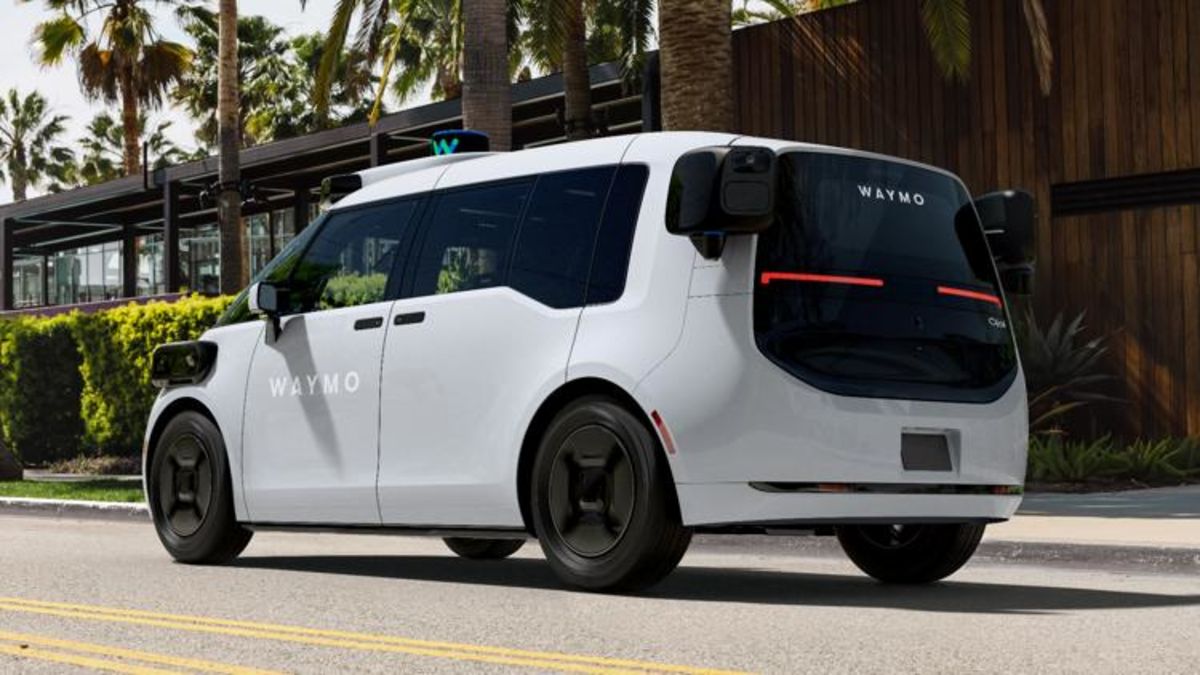
The custom chip is already powering Waymo's latest robotaxi generation, which recently arrived in Phoenix Yahoo Autos. The new Ojai vehicle offers riders plenty of room and comfortable seating—benefits made possible by the more efficient onboard computing hardware. Waymo is testing whether passengers will choose between this newest model and earlier Jaguar-based robotaxis, as the company expands its fleet across major U.S. cities.
Sentiment
Mostly PositivePublishers
13
Articles
18
Reach
31


