Ford’s EV Navigation Deepens
Ford Integrates Apple Maps Directly into 2027 EV Platform, Powering Advanced Navigation and AI
Anonymous
Key Points
1
MapKit for Automotive SDK marks a major strategic push for Apple beyond CarPlay, enabling Ford to embed Apple Maps directly into the Universal Electric Vehicle Platform and customize the navigation experience to align with Ford's design language rather than mirroring a phone app.
2
Road-level map data will feed Ford's Latitude AI and support the next generation of BlueCruise hands-free highway driving, contributing to a more seamless on-ramp-to-off-ramp experience.
3
Route Sharing transfers the driver’s intended route from iPhone navigation into the car as a live set of map coordinates, guiding driver-assist maneuvers such as lane changes and ramp timing to align with the planned path.
4
Apple maintains privacy protections in automotive use, stating it does not collect users’ location data or activity that can be tied to individuals through the vehicle’s mapping system.
5
Industry observers have indicated this could be the first such deal of its kind with more partnerships expected to follow in the wake of Ford and Apple’s collaboration.
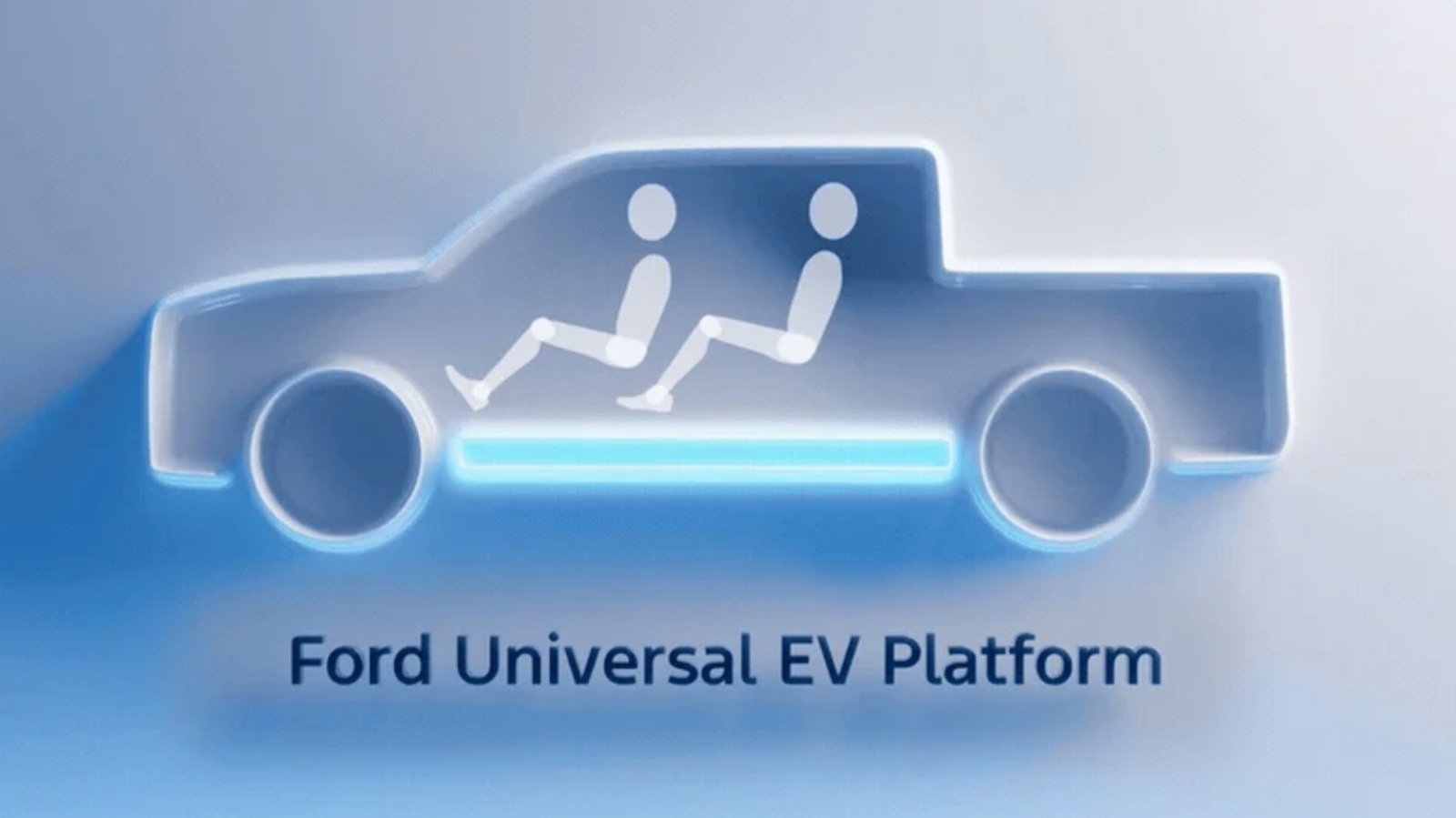
Apple and Ford have announced that Apple Maps will be built directly into Ford's Universal Electric Vehicle (UEV) Platform, starting in 2027. Neowin reports the integration uses Apple's new MapKit for Automotive SDK, letting drivers access Apple Maps on Ford's own displays — no iPhone required.
The deal marks a major step beyond CarPlay. Until now, Apple Maps on a car screen meant mirroring your phone. This new system is embedded into the car itself, and industry observers say it could be the first deal of its kind — with more automaker partnerships expected to follow, according to Apple Must.
MapKit for Automotive Goes Far Beyond CarPlay
CarPlay puts a phone-like interface on your dashboard. MapKit for Automotive is different. It lets Ford embed Apple Maps directly into the car's software and style it to match Ford's own design language. The map looks like a Ford feature — not a phone app pasted onto a screen, iClarified explains.
Ford's midsize EV, priced at around $30,000, will be among the first vehicles to carry the system. Drivers who own an iPhone can still use CarPlay as an option. But even those without an iPhone will get full Apple Maps navigation built right in, according to Head Topics.
Smarter EV Routing With Battery Preconditioning Built In
The Apple Maps integration is designed specifically for electric vehicles. It offers turn-by-turn directions, real-time traffic, and incident alerts. Crucially, it includes intelligent EV routing — the system calculates range, plans charging stops, and triggers battery preconditioning before you arrive at a charger, per WDC News 6.
Battery preconditioning warms or cools the battery to its ideal temperature before charging. This speeds up charging and extends battery life. Having it baked into navigation means the car handles it automatically, without the driver needing to do anything extra.
Apple Maps Data Will Feed Ford's BlueCruise Hands-Free System
The integration goes deeper than navigation. Road-level map data from Apple Maps will feed Ford's Latitude AI system and support the next generation of BlueCruise, Ford's hands-free highway driving feature. The goal is a smoother on-ramp-to-off-ramp experience where the car knows the route and acts accordingly, Apple Must reports.
A feature called Route Sharing takes this further. It transfers the driver's planned route from their iPhone into the car as live map coordinates. The car then uses those coordinates to guide driver-assist actions — like lane changes and highway ramp timing — so they line up with where the driver actually wants to go, per Neowin.
Apple Says It Won't Track Where You Drive
Privacy is a key part of Apple's pitch. Apple states it does not collect location data or map activity that can be tied to individual drivers through the vehicle's system. That means Ford's built-in Apple Maps should carry the same privacy protections that Apple users expect on their phones, according to iClarified.
The 2027 launch gives both companies time to refine the system before it reaches showrooms. If the partnership succeeds, it could reshape how automakers think about navigation — treating Apple Maps as infrastructure rather than an accessory, per Head Topics.
Sentiment
Mostly PositiveNEGATIVENEUTRALPOSITIVE
Publishers
28
Articles
80
Reach
108
A
AnonymousAuthor


