Cyclosporiasis Cases Rising
Cyclosporiasis, an intestinal illness, is increasing across 31 US states, including Florida.
Anonymous
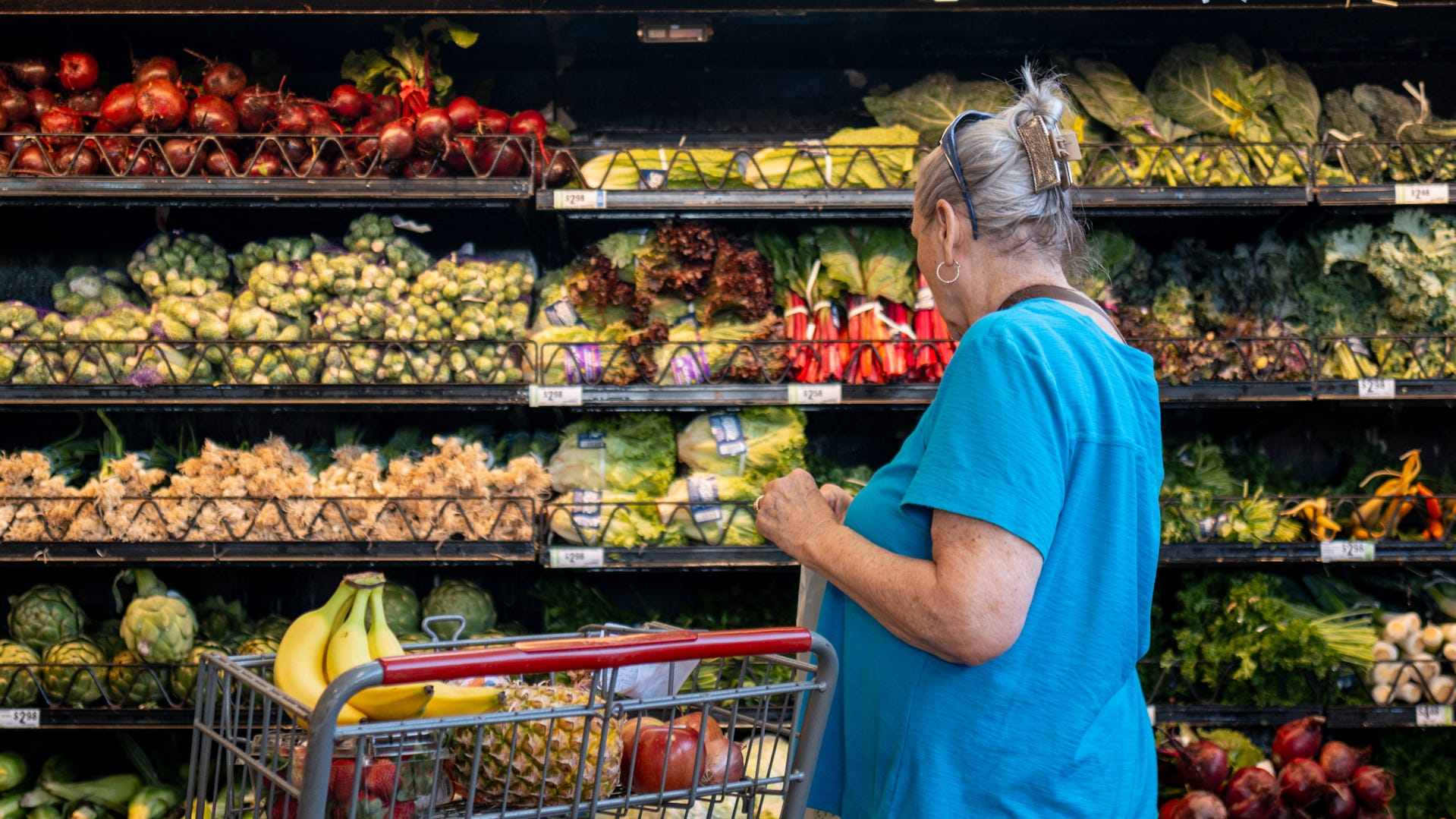
A microscopic parasite is spreading across the United States, and Florida is feeling the impact. Cases of cyclosporiasis — an intestinal illness caused by Cyclospora cayetanensis — have been confirmed in 31 states, with at least 50 Florida cases reported between May 1 and July 4, 2026, according to The Ledger.
Nationwide, the numbers are climbing fast. As of July 9, there are 843 confirmed cases across the country, with 86 people hospitalized. No deaths have been reported, Florida Today noted.
What Cyclospora Does to the Human Body
Cyclospora cayetanensis is a parasite too small to see with the naked eye. Once it gets inside the body, it attacks the intestines. The main symptom is watery, explosive diarrhea. Other symptoms include nausea, stomach cramps, fatigue, and loss of appetite, according to Ocala.
The illness can drag on for weeks if left untreated. Doctors treat it with a specific antibiotic combination. Most healthy adults recover fully, but the infection can hit harder in people with weakened immune systems.
Parasite Spreads Beyond Contaminated Produce
Most people link food-borne parasites to unwashed fruits and vegetables. But Cyclospora spreads in more ways than that. It can travel through contaminated water, direct contact with infected livestock or pets, and person-to-person through the fecal-oral route, Herald Tribune reported.
That last route — the fecal-oral route — means the parasite passes when tiny amounts of infected fecal matter reach the mouth. This can happen through unwashed hands, shared surfaces, or unsafe food handling. It is one reason health officials stress hand hygiene alongside food safety.
Florida's 50 Cases Fit a Wider National Surge
Florida's 50 confirmed cases between May 1 and July 4 place the state inside a larger national spike. The 843 U.S. cases reported by July 9 are spread across 31 states. The 86 hospitalizations show the illness is serious enough to put people in the hospital, News-Press reported.
Cyclosporiasis cases in the U.S. tend to rise in warmer months. The summer season aligns with peak fresh produce consumption, travel to tropical regions, and outdoor gatherings — all factors that can raise exposure risk, according to Jacksonville.com.
How to Protect Yourself From Infection
Health officials say prevention is straightforward. Wash produce thoroughly under running water before eating. Wash hands with soap and water before handling food and after using the bathroom. These steps matter for all food-borne illness, but especially for parasites like Cyclospora, Tallahassee reported.
Standard water filtration and chlorination do not reliably kill Cyclospora oocysts — the tough shell stage of the parasite. Boiling water is more effective. Travelers to tropical and subtropical regions should be especially careful about drinking untreated water or eating raw produce, according to Naples News.
Sentiment
NeutralNEGATIVENEUTRALPOSITIVE
Publishers
13
Articles
12
Reach
13
A
AnonymousAuthor