Southern California Immigration Arrests
Federal Judge Signals Tentative Halt to Warrantless Immigration Arrests in Southern California
Key Points
Judge Maame Frimpong denied the DHS's bid to dismiss the lawsuit, saying the amended complaint's allegations— including equal-protection claims and claims of unreasonable tactics—are enough for the case to go forward, with no determination yet on their truth.
The Department of Justice argued that a mass warrantless-arrest policy does not exist in written or unwritten form and urged the court to reverse its tentative ruling; if an injunction is granted, DOJ asked for a 14-day stay to seek an appeal to the Ninth Circuit.
The Los Angeles Times report notes it remains unclear when Frimpong will issue her ruling after signaling a tentative move to halt warrantless arrests in Southern California.
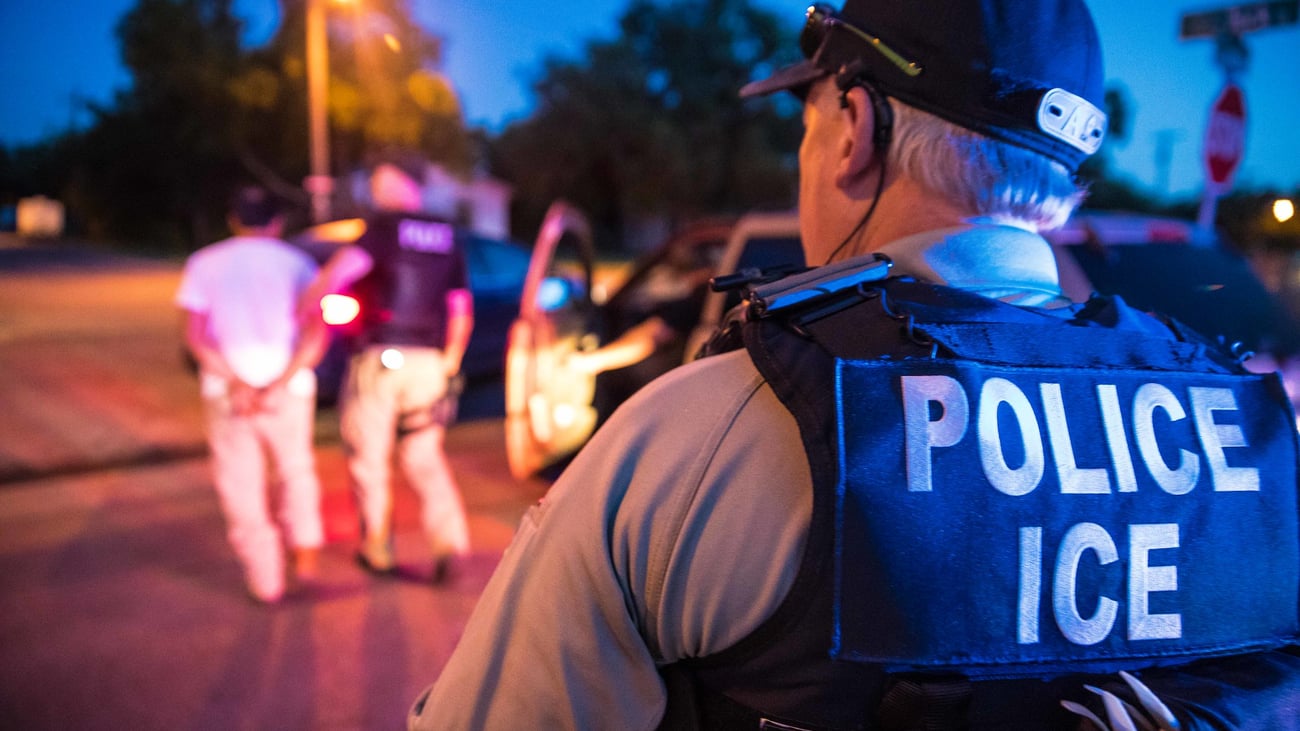
Plaintiffs say the raids included biased identify-and-detain practices, with evidence such as text messages and body-camera footage showing officers targeting Latinos at locations like car washes and bus stops.
A federal judge in Los Angeles has signaled she is ready to block immigration agents from arresting people without warrants unless they first determine the person is likely to flee. Judge Maame Ewusi-Mensah Frimpong issued a tentative ruling that would require agents to make individualized, pre-arrest findings of flight risk before detaining anyone in the Los Angeles region, according to Bloomberg Law.
The move marks one of the most significant legal challenges yet to immigration enforcement tactics used under the Trump administration in Southern California. A final ruling has not been issued, and Courthouse News reports the exact timing remains unclear.
What the Tentative Ruling Would Actually Require
Under the proposed injunction, immigration agents operating in Los Angeles and surrounding areas could no longer arrest someone without a warrant unless they have a specific, individualized reason to believe that person will flee. That determination must be made before the arrest, not after. Bloomberg Law says this would mark a sharp departure from current enforcement practice.
Judge Frimpong also denied the Department of Homeland Security's bid to dismiss the lawsuit entirely. She ruled the amended complaint's claims — including equal-protection violations and allegations of unreasonable tactics — are strong enough to move forward. She made clear this does not mean she has decided those claims are true, only that they can be heard.
Plaintiffs Point to Texts, Body Cameras, and Bus Stops
Plaintiffs say the Southern California raids specifically targeted Latinos. They point to body-camera footage and text messages they say show agents using biased identify-and-detain tactics. Agents allegedly swept locations like car washes and bus stops, stopping people based on their appearance rather than specific criminal suspicion, according to Courthouse News.
Attorneys for the plaintiffs urged the judge to protect due process — the legal right to a fair process before the government takes action against you — and to ensure detained people can access lawyers. They argued the current enforcement model tramples on basic constitutional rights.
DOJ Pushes Back Hard, Eyes Ninth Circuit Appeal
The Department of Justice fired back, insisting there is no written or unwritten policy authorizing mass warrantless arrests. DOJ lawyers asked the judge to reverse her tentative ruling entirely. If she does not, they asked for a 14-day pause — called a stay — so the government could appeal to the Ninth Circuit Court of Appeals, according to Bloomberg Law.
The government's argument rests on the claim that individual agents are making lawful judgment calls, not following a broad unlawful policy. That distinction is central to the case. If the court finds a policy does exist — even an informal one — the legal ground shifts significantly against the government.
What Happens Next If the Injunction Is Granted
If Judge Frimpong finalizes her ruling, federal immigration agents in the LA region would have to change how they operate immediately. Every warrantless arrest would require a documented, individual finding that the suspect is a flight risk. That requirement alone could dramatically slow enforcement operations and reduce the number of arrests carried out during large sweeps.
The case is part of broader litigation with multiple ongoing filings. A DOJ appeal to the Ninth Circuit is likely if the injunction is issued. Courthouse News notes the judge gave no specific date for when her final decision will come, leaving both sides in a holding pattern.
Sentiment
Mostly NegativePublishers
11
Articles
45
Reach
56


