Melbourne Toddler Dies From Petting-Farm HUS Infection
Melbourne Toddler Dies From Petting-Farm HUS Infection
Anonymous
Key Points
1
In addition to HUS, the three-year-old was diagnosed with RSV and parainfluenza during hospitalization, illustrating how co-infections can complicate outcomes.
2
The Victorian Department of Health launched an official investigation into the STEC outbreak in August, indicating ongoing governmental oversight beyond the hospital response.
3
Another child was hospitalised at the same petting farm after attending a birthday party there, underscoring potential venue-linked transmission and cluster risk.
4
The two-year-old boy involved in the prior case spent 17 days on dialysis before making a full recovery, highlighting the severity some cases can reach at the same venue.
5
Public health authorities advised the farm to install additional handwashing stations and display warnings at the entrance to inform visitors of infection risks.
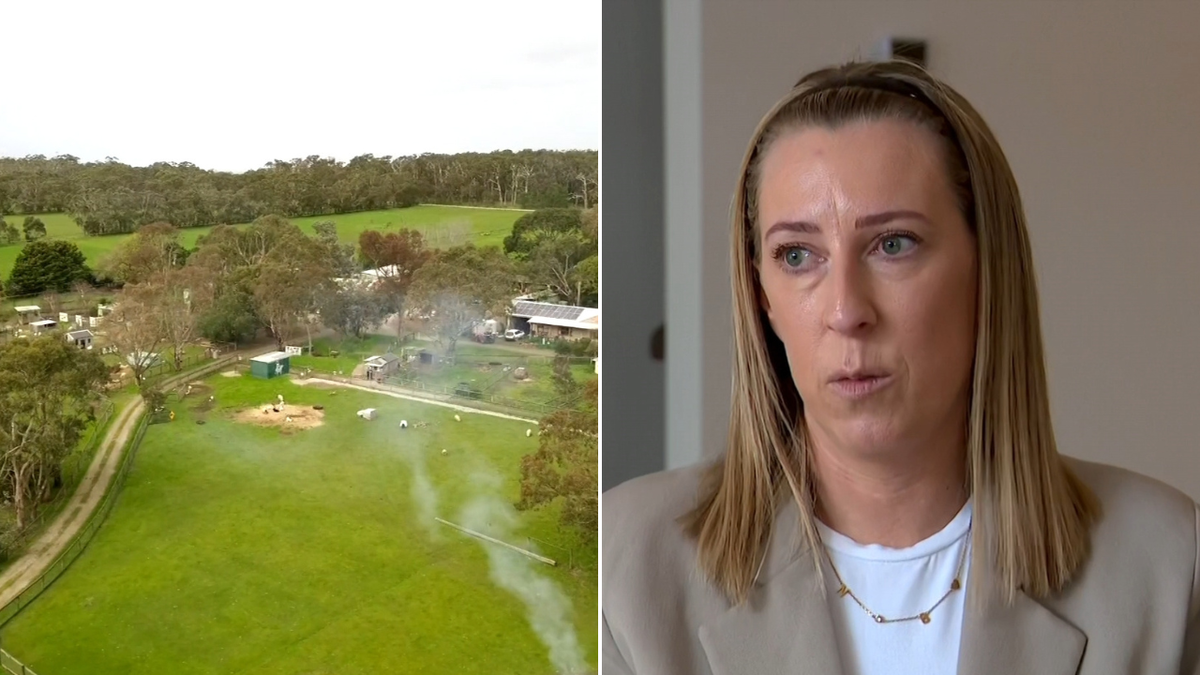
A three-year-old girl in Victoria died after six to seven weeks in hospital from haemolytic uraemic syndrome (HUS), a severe complication of a 7 News reported bacterial infection acquired at a petting farm in July. The girl contracted Shiga toxin-producing E. coli (STEC) at Rain, Hayne and Shine Children's Farm in Balnarring, succumbing to the infection after a devastating battle that included respiratory co-infections. 7 News noted this marks the second serious case linked to the same venue.
Health authorities say E. coli bacteria are common on farms and found no evidence of wrongdoing by the venue, 7 News reported. However, the death underscores a troubling surge in STEC infections across Victoria, prompting public health officials to push for enhanced hand hygiene, warning signs, and additional handwashing stations at petting farms to protect young visitors.
How HUS Develops From Farm Animal Contact
Haemolytic uraemic syndrome is a life-threatening complication that can follow infection with Shiga toxin-producing E. coli. When children touch farm animals and then eat or put fingers in their mouths, bacteria can enter their digestive system. The toxin damages blood cells and kidneys, sometimes requiring dialysis and weeks of intensive care.
A Previous Survivor Shows Both Hope and Risk
A two-year-old boy also contracted STEC at the same petting farm but survived after 17 days on dialysis and intensive medical treatment, 7 News reported. His recovery came after severe complications, yet he ultimately made a full recovery — a contrast that highlights how unpredictable these infections can be even at the same location with the same pathogen.
Multiple Toddlers Affected Across Victoria's Petting Venues
The outbreak extends beyond this one farm. 7 News reported that several toddlers have been hospitalised across Victoria after visiting petting zoos and birthday party venues in recent weeks. The Victorian Department of Health launched an official investigation in August, signalling serious public health concerns about transmission patterns at animal contact settings in the region.
Steps to Reduce Infection Risk at Petting Farms
Public health authorities have advised petting farms to install additional handwashing stations and display prominent warning signs at entrances about infection risks. 7 News reported that health officials stress proper hand hygiene — including washing hands thoroughly after animal contact and before eating — as the primary defence. While authorities emphasise E. coli is naturally present on many farms, preventive measures can significantly reduce transmission to young visitors.
Sentiment
Mostly NegativeNEGATIVENEUTRALPOSITIVE
Publishers
15
Articles
42
Reach
57
Topics
A
AnonymousAuthor


