GM Engine Failure Probe
NHTSA Investigates Engine Failures in Nearly One Million General Motors Vehicles
Key Points
There has been at least one crash and injury linked to engine failures in post-recall GM L87 engine vehicles.
The post-recall period includes about 191 reports of engine failure in vehicles produced after the original recall.
The prior recall covered roughly 600,000 vehicles from model years 2021–2024, with remedies including switching to a higher-viscosity oil or replacing the engine.
The new probe has logged 499 complaints of engine failures in vehicles that had already received recall remedies.
GM Chief Financial Officer Paul Jacobson said in January that the company did not expect any further recalls related to this issue.
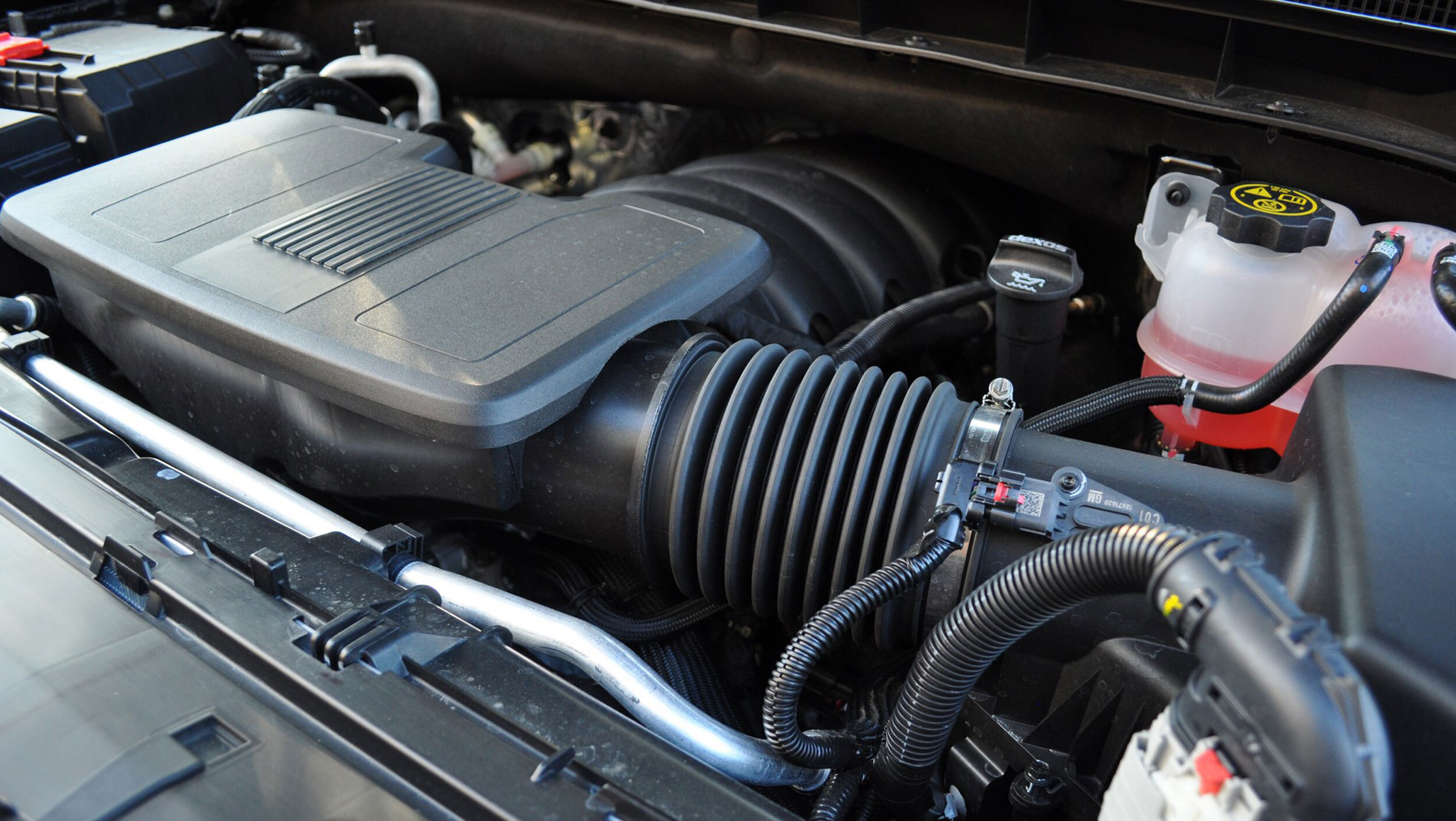
The NHTSA has opened a broad engineering analysis into roughly 997,000 General Motors pickups and SUVs equipped with the L87 6.2-liter V-8 engine, Motor Illustrated reported. The probe covers model years 2021–2026 and includes the Cadillac Escalade, Chevrolet Silverado 1500, and GMC Yukon. The investigation expands an earlier recall GM issued last year affecting about 600,000 vehicles, after hundreds of engines continued to fail even after repairs.
The new complaints reveal a deeper problem. CNET noted that nearly 500 drivers reported engine failures in vehicles already fixed under the original recall. At least one crash and injury has been linked to these post-repair engine failures, The Epoch Times reported. Some vehicles needed full engine replacements despite earlier repairs, raising questions about whether GM's fixes actually work.
The Problem Keeps Getting Worse After Repairs
GM's original recall last year offered two fixes: switch to thicker oil or replace the engine entirely. But the remedy didn't stick. NTD reported that roughly 191 additional engine failures occurred in vehicles produced after the original recall was issued. Even more alarming: 499 complaints came from vehicles that had already been repaired under the first recall, suggesting GM's solutions did not actually solve the underlying issue.
The root cause traces back to a supplier problem, Motor Illustrated noted. NHTSA is now assessing whether GM's recall fixes are truly effective or merely temporary patches. The agency is analyzing post-recall data to understand why engines continue to fail after repair.
Newer Model Years Now Under Investigation
The probe originally covered 2021–2024 models, but NHTSA expanded it to include 2025 and 2026 vehicles equipped with the same L87 engine. The Epoch Times reported that federal regulators broadened the investigation after discovering that the L87 problems weren't isolated to older model years. This expansion signals that the defect may be systemic across the entire generation of these high-powered engines.
The wider model-year range captures potentially millions of additional trucks and SUVs at risk. NHTSA is examining whether newer vehicles will develop the same failures or if GM has made any real improvements to the engine design in recent production runs.
GM Insists No New Recalls Are Coming
Despite mounting evidence of continued engine failures, General Motors remains confident it won't issue further recalls. GM Chief Financial Officer Paul Jacobson stated in January that the company did not expect any additional recalls tied to this issue. USA Today reported that NHTSA is still evaluating the effectiveness of GM's existing remedies before determining next steps.
This stance puts GM at odds with regulators who are actively investigating the problem. NHTSA's continuing engineering analysis suggests the agency is far from convinced the matter is resolved. The agency will likely use its findings to decide whether to push GM toward a broader, more comprehensive recall or a different remedy entirely.
Sentiment
Mostly NegativePublishers
17
Articles
106
Reach
123