BRICS Global Tax Cooperation
India Urges BRICS Nations to Shape Global Tax Rules and Create Working Groups
Anonymous
Key Points
1
Sitharaman identified three recurring priorities in BRICS tax cooperation during India’s chairship: technology, administration and people. She said digital infrastructure could make tax administration more precise and accessible while reducing reliance on individual discretion.
2
The proposed international-taxation and transfer-pricing group is expected to facilitate exchanges on treaty interpretation, transfer-pricing audits, advance pricing agreements and mutual agreement procedures, in addition to multilateral negotiations.
3
The emerging global tax framework includes debates over how taxing rights should be allocated between source and residence jurisdictions, an issue of particular importance to developing economies and the wider Global South.
4
Sitharaman said the institutional mechanisms created during India’s BRICS chairship should build on work by previous presidencies and remain useful to future BRICS chairs, rather than being limited to the current year.
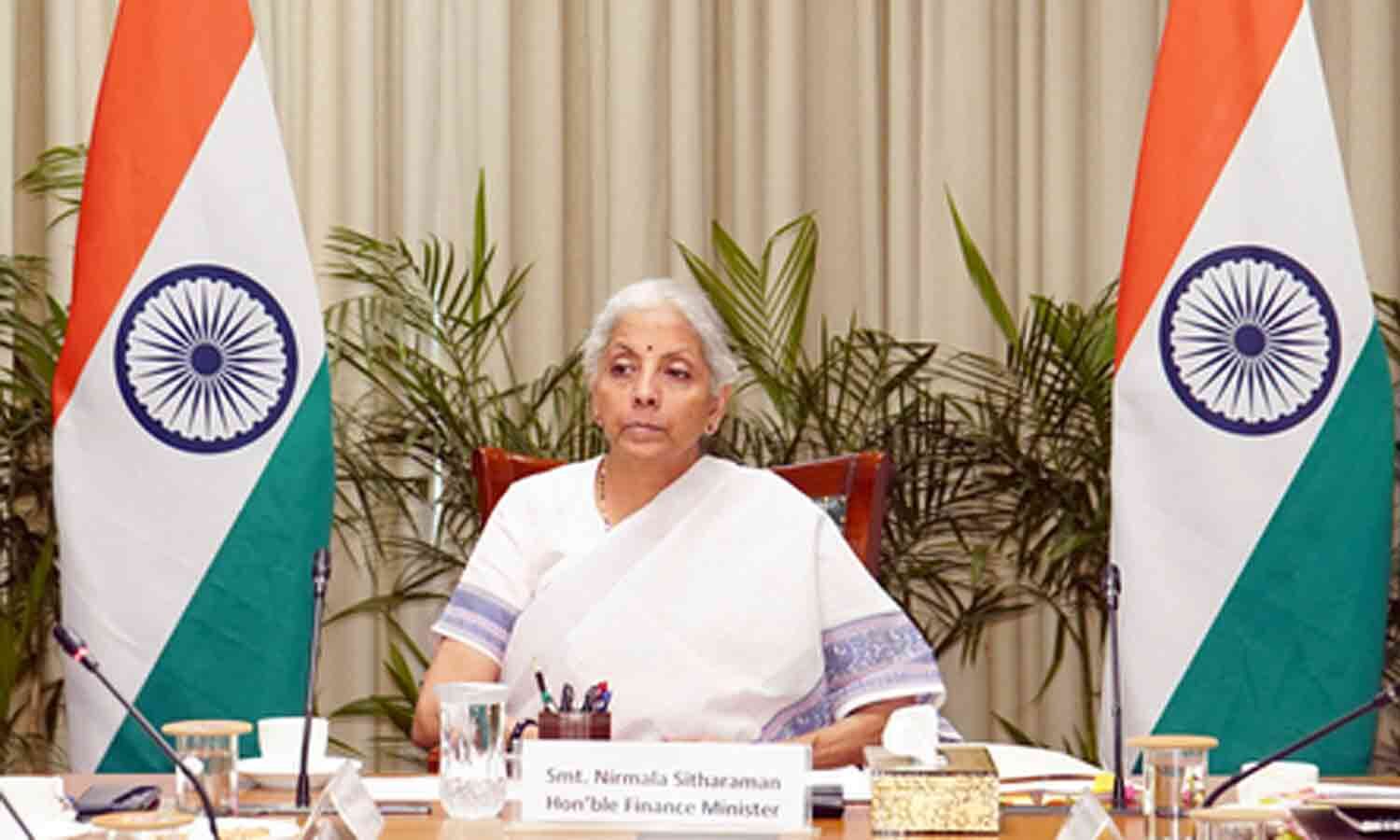
India's Finance Minister Nirmala Sitharaman is pushing BRICS countries to claim a bigger seat at the table in global tax negotiations, warning that rules being written now will shape how nations tax businesses across borders for decades. The Times of India reported that she proposed two new working groups—one on international taxation and transfer pricing, another on revenue statistics—to give developing economies a lasting voice beyond India's current chairmanship.
Sitharaman argued that developing nations and source countries bring critical insights often missing from tax debates, including discussions over a proposed UN Framework Convention on International Tax Cooperation. The Hans India noted that the working groups would let BRICS members share expertise on tax treaties, audits, and dispute resolution while building tools tailored to their economies' needs.
Transfer Pricing Hits Developing Nations Hardest
Transfer-pricing disputes—disagreements over what price one part of a company should charge another part in a different country—create outsized burdens for developing economies. Sitharaman emphasized that these disputes drain resources and expertise from poorer nations while favoring wealthy countries with large tax departments. India Tribune reported her call for BRICS to develop fairer dispute-resolution procedures and advance pricing agreements that reflect their shared interests.
Three Priorities Guide India's Tax Leadership
During India's BRICS chairmanship, Sitharaman identified three core focuses: technology, administration, and people. Digital infrastructure can make tax collection more accurate and transparent while reducing human judgment calls that often disadvantage poorer nations. BGov News reported that these mechanisms should survive India's term, creating lasting institutions for future BRICS chairs rather than disappearing after one year.
Who Deserves the Right to Tax Global Companies
A core tension in global tax rules centers on which countries get to tax a business: the country where the company lives (residence), or the country where it makes money (source). Developing nations depend heavily on source-country tax rights because multinational companies often shift profits to low-tax havens. Bloomberg Tax noted that BRICS nations argue the current system favors wealthy countries and want a rebalance in the ongoing UN Framework Convention negotiations.
Sentiment
Mostly PositiveNEGATIVENEUTRALPOSITIVE
Publishers
20
Articles
39
Reach
59
A
AnonymousAuthor


