UAE’s Hormuz Bypass
DP World plans new Fujairah port to bypass Hormuz Strait, enhancing UAE trade security.
Anonymous
Key Points
1
Iran has fired nearly 3,000 drones or missiles at the UAE since the conflict began, underscoring the security risks driving the push to diversify routes away from Hormuz.
2
DP World’s plan envisions routing new Fujairah port traffic so containers could exit via the Gulf of Oman and then be moved by road to Dubai, Abu Dhabi and other Gulf states, expanding the eastern corridor.
3
DP World had recently removed its chair and chief executive, Sultan Ahmed bin Sulayem, over ties to Jeffrey Epstein, signaling leadership changes as the group expands its regional footprint.
4
The move aligns with broader UAE aims to diversify transport networks and bolster supply-chain resilience by reducing reliance on the Strait of Hormuz, a goal emphasized in coverage of the Fujairah plan.
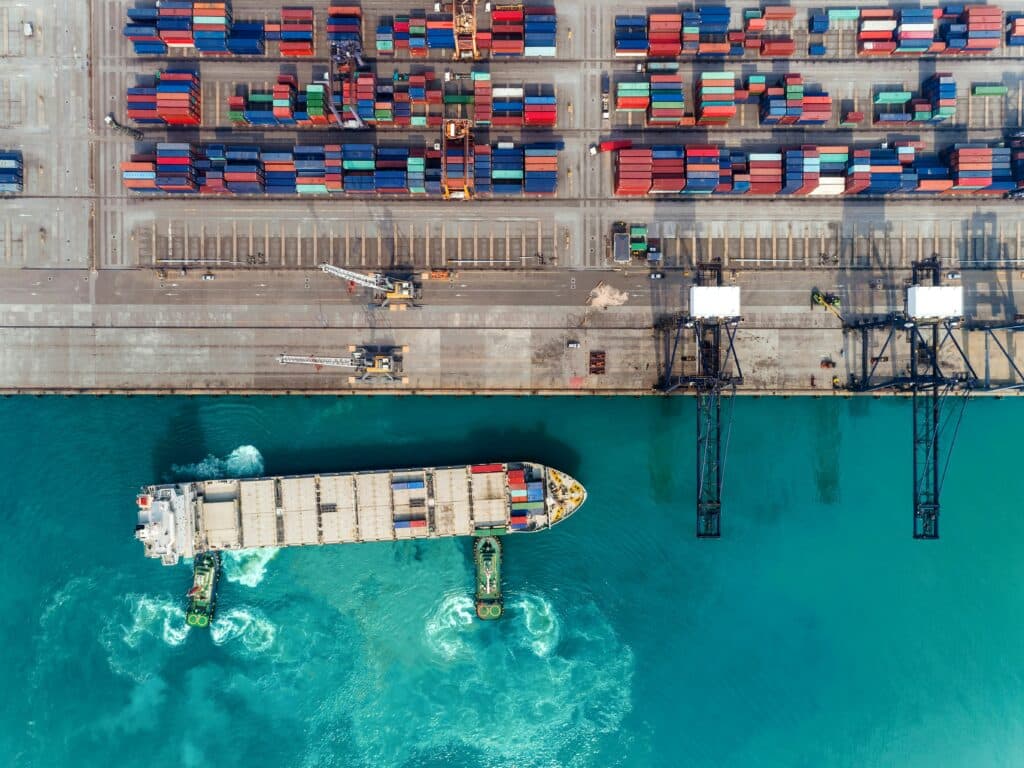
DP World is planning to build a new port and container terminal in Fujairah, on the UAE's east coast, to bypass the Strait of Hormuz, according to Middle East Eye and Financial Post. The move comes after a 97% collapse in container traffic through the strait, driven by Iran's decision to shut down the waterway.
The new port would let containers exit via the Gulf of Oman — which sits outside the strait — and then move by road to Dubai, Abu Dhabi, and other Gulf states. Iran has fired nearly 3,000 drones and missiles at the UAE since the conflict began, making route diversification urgent, European Business Magazine reported.
Fujairah Offers a Way Around Hormuz
The Strait of Hormuz is a narrow waterway between Iran and Oman. About 20% of the world's oil and a huge share of global container trade passes through it. When Iran closes it, shipments grind to a halt. Fujairah sits on the Gulf of Oman, giving ships direct access to global routes without entering the strait.
DP World plans to build a brand-new multipurpose port in Fujairah and add a terminal to the emirate's existing harbor, Times of Israel reported. Initial investment is expected to run into the hundreds of millions of dollars, with the total potentially rising much higher as the project grows.
Iran's Aggression Forces Dubai to Rethink Its Main Hub
Dubai's trade has long flowed through Jebel Ali, the largest port in the Middle East. But Jebel Ali sits on the Persian Gulf side, meaning ships must pass through Hormuz to reach it. Iran's repeated closures of the strait have exposed just how fragile that single route can be.
Container traffic through Hormuz dropped by 97% after Iran's latest closure, according to European Business Magazine. That kind of collapse can cripple supply chains across the entire Gulf region. Building a parallel route through Fujairah gives the UAE a backup — one Iran cannot block by closing a single chokepoint.
DP World Pushes Forward Despite Leadership Shakeup
The Fujairah push comes at an unusual moment for DP World. The company recently removed its longtime chair and chief executive, Sultan Ahmed bin Sulayem, over reported ties to Jeffrey Epstein. That is a significant leadership change for one of the world's biggest port operators.
Despite the shakeup, DP World is pressing ahead with regional expansion, hokanews reported. Officials and sources familiar with the plan say discussions are still ongoing and final details have not been locked in. The company has not made a formal public announcement, but the scale and urgency of the project suggest a firm commitment to building out the UAE's eastern trade corridor.
UAE's Bigger Goal: A Resilient, Diversified Trade Network
The Fujairah port is not just about one chokepoint. The UAE wants to build a transport network that can survive regional shocks. Road links from Fujairah already connect to Dubai and Abu Dhabi, so goods arriving on the east coast can reach major markets quickly without going near Hormuz.
The plan fits a broader UAE strategy to reduce dependence on any single route or hub, Middle East Eye noted. If successful, it would give the country — and its trading partners — a much more stable supply chain. For the Gulf region, where Iran's actions have raised the cost and risk of every shipment, that resilience could be worth far more than the hundreds of millions needed to build it.
Sentiment
Mostly NegativeNEGATIVENEUTRALPOSITIVE
Publishers
18
Articles
12
Reach
30
A
AnonymousAuthor


