Level-5 AI Backlash Apology
Level-5 CEO Akihiro Hino apologizes to fans after generative AI triggers showcase backlash.
Anonymous
Key Points
1
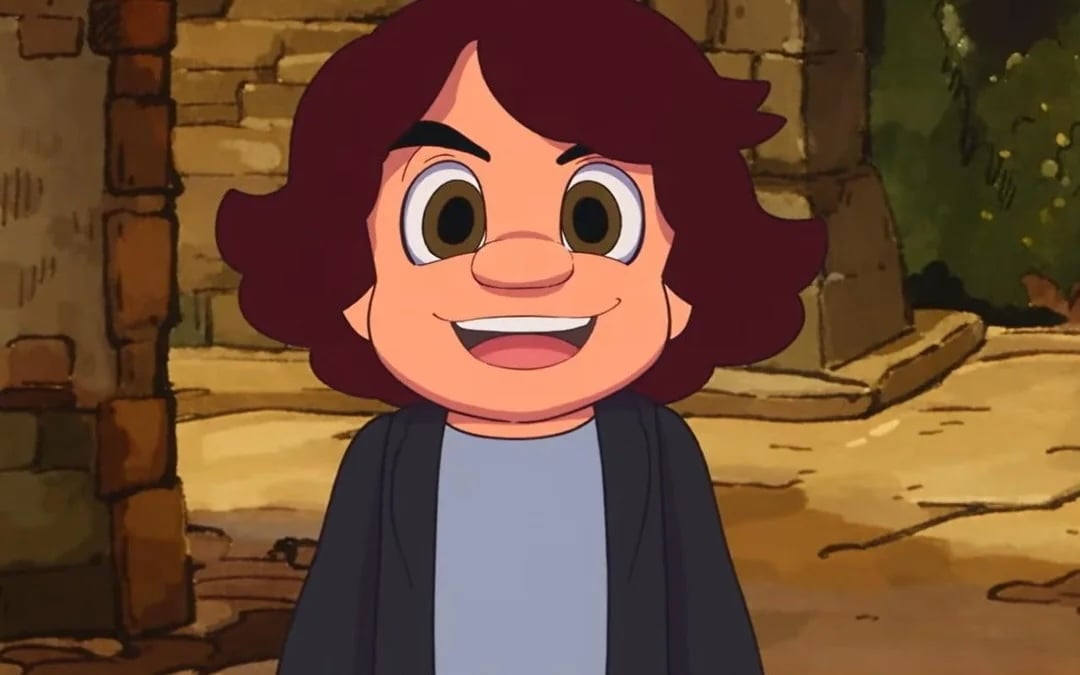
Hino hosted the showcase with an animated avatar that changed its movements and appearance to match the visual style of the game being presented, a feature that helped trigger concerns about Level-5’s use of generative AI.
2
The 50-minute presentation included first looks at projects such as Yo-Kai Watch 2: Haunted Domain and Fantasy Life i: The Girl Who Steals Time, in addition to the titles highlighted in the summary.
3
The controversy focused largely on suspected AI artifacts in background scenes and promotional footage rather than confirmed AI-generated core game assets; IGN reported that viewers spent more time debating the apparent AI use than discussing the games themselves.
4
Hino specifically assured fans that Level-5 would not include “carelessly generated assets” or “simplistic AI-generated output data” in its released games, framing the company’s AI use as technical automation rather than a replacement for original creative work.
5
The backlash included strongly negative reactions from fans on X, including one viewer who wrote, “We don’t want this AI s**t,” illustrating that the dispute extended beyond technical questions to concerns about Level-5’s artistic identity and direction.
Level-5 CEO Akihiro Hino apologized on Tuesday after fans spotted what appeared to be generative AI elements in the company's LEVEL5 VISION 2026 II showcase presentation. The 50-minute event, which unveiled new titles like Professor Layton and the New World of Steam and Yo-Kai Watch 2: Haunted Domain, drew criticism from viewers who questioned the authenticity of background scenes and promotional footage Screen Hub.
Hino acknowledged that AI was used experimentally to make the broadcast visually spectacular but stressed that the company's core creative work—scenarios, character designs, and foundational settings—remains human-made Newsy Today. He promised Level-5 will not release "carelessly generated" or "simplistic" AI assets in finished games, framing AI as a tool for technical automation like digitizing artwork and converting 2D images into 3D models SSB Crack.
Animated Host and AI Backdrop Spark Fan Concerns
Hino presented the showcase as an animated avatar that shifted its appearance and movements to match each game's visual style. The adaptive character design was meant to enhance the presentation but instead heightened viewer suspicion about Level-5's AI practices. Fans scrutinized background scenes and promotional footage, debating whether elements were AI-generated rather than discussing the actual games on display.
Core Creativity Remains Human-Made, CEO Assures
Hino drew a clear line between creative and technical work. Human artists and designers develop all character designs, plot scenarios, and game worlds. AI is restricted to streamlining backend processes—converting flat artwork into 3D models, digitizing illustrations, and similar technical tasks. The CEO emphasized that Level-5 will never ship "carelessly generated assets" or "simplistic AI-generated output" in released titles SSB Crack.
Fans Question Level-5's Artistic Direction
The backlash extended beyond technical concerns to anxiety about the studio's creative identity. One viewer posted, "We don't want this AI s**t," reflecting frustration that stretched across social media Screen Hub. The controversy overshadowed game announcements—viewers spent more time debating suspected AI use than celebrating the new titles revealed during the event.
Level-5 Will Continue AI Development But Learn From Pushback
Hino stated that Level-5 will treat the backlash as a lesson for future presentations. However, he did not signal plans to abandon AI-assisted development. The company remains committed to using AI tools to improve efficiency Sac Bee, suggesting that future showcases will likely feature AI but with more transparency or restraint in how it is deployed.
Sentiment
Mostly NegativeNEGATIVENEUTRALPOSITIVE
Publishers
13
Articles
16
Reach
29
Topics
A
AnonymousAuthor


