Iran Intelligence Charges
Liverpool Man Charged Under New Security Act Amid Iran-Linked Spying Probe
Anonymous
Key Points
1
Commander Helen Flanagan described a 'significant and sustained increase in the tempo of our work in national security investigations in recent years,' highlighting intensified activity in counter-terrorism policing.
2
Iran International notes that the Revolutionary Guard Corps (IRGC) uses proxies and criminal networks to target Iranian dissidents and members of the Jewish community overseas, illustrating the broader risk environment cited by policymakers.
3
A National Security (State Threats) Act 2026 has received royal assent, introducing a new designation regime to counter state threats (such as the IRGC) and moving beyond proscription under the Terrorism Act 2000.
4
The government states MI5 identified at least 20 potentially lethal Iran-backed plots against people in Britain in a single year, underscoring the perceived scale of Iran-related activity.
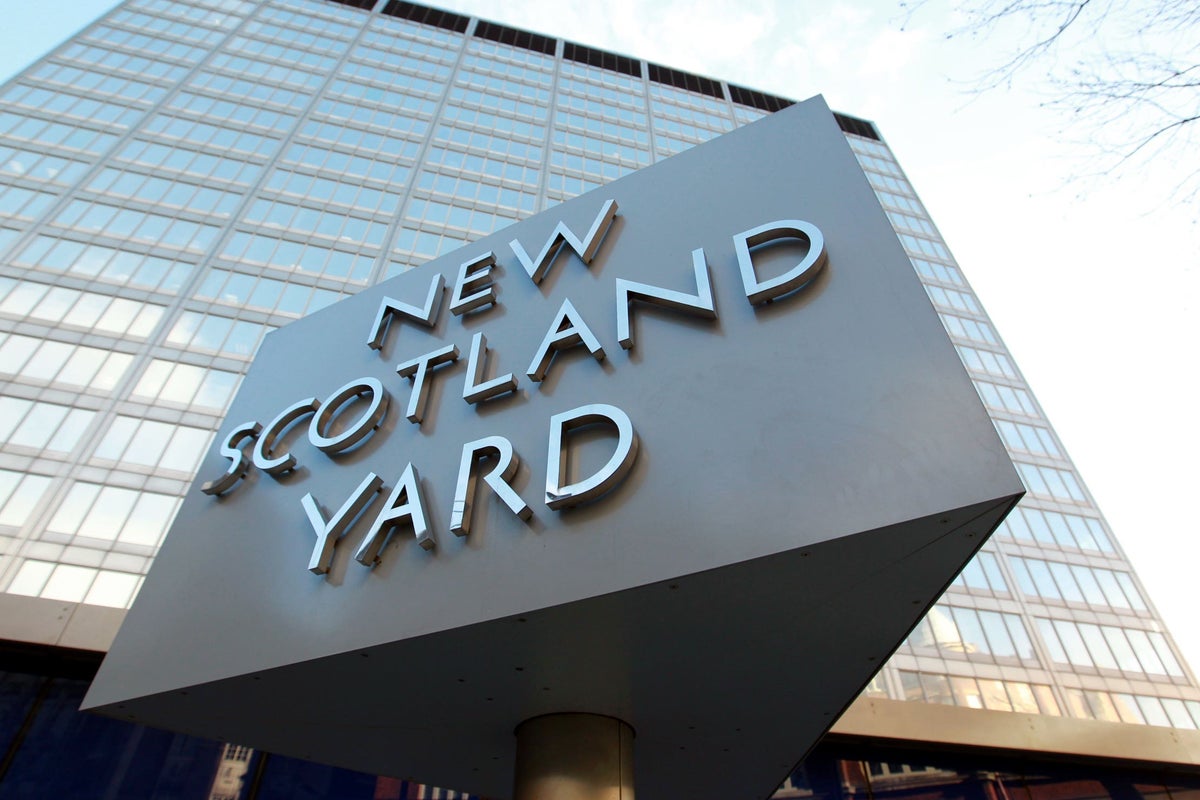
A Liverpool man has been charged with spying for Iran in one of Britain's latest counter-terrorism cases. Vahid Aberi, 39, faces accusations of assisting a foreign intelligence service under the National Security Act 2023, The Independent reported. He was arrested in Birmingham and remanded in custody ahead of an appearance at Westminster Magistrates' Court.
Counter Terrorism Policing London said the investigation found no direct threat to the public or specific communities. But the case signals an intensifying effort to disrupt suspected state-backed activity on British soil.
What Aberi Is Accused of Doing
Aberi faces charges under section 3(1) and (9) of the National Security Act 2023, NY Post reported. That law, passed in 2023, makes it a crime to assist a foreign intelligence service — even without committing a traditional act of espionage. Police arrested him in Birmingham and also carried out searches in both Birmingham and Liverpool.
Authorities have not named a specific target or revealed exactly what Aberi is alleged to have done. He has been remanded in custody. His next court appearance is at Westminster Magistrates' Court, according to The Independent.
Britain's Counter-Terrorism Workload Has Surged
Commander Helen Flanagan said there has been a "significant and sustained increase in the tempo of our work in national security investigations in recent years." The Aberi case is the latest in a string of Iran-linked incidents that British authorities have had to handle.
MI5 has identified at least 20 potentially lethal Iran-backed plots against people in Britain in a single year, according to Yahoo News. That figure has driven calls for tougher legal tools to deal with state threats — not just traditional terrorist groups.
Iran's Playbook: Proxies, Criminals, and Dissidents
Iran's Revolutionary Guard Corps — known as the IRGC — does not always act directly. It uses proxies and criminal networks to go after targets overseas, according to Jerusalem Post. Those targets have included Iranian dissidents and members of the Jewish community living abroad.
This approach makes cases harder to prosecute under older terrorism laws. Britain's government has now passed the National Security (State Threats) Act, which received royal assent in 2026. The new law creates a designation regime specifically aimed at groups like the IRGC. It goes beyond the older Terrorism Act 2000, which was built for non-state actors.
New Laws Give Britain Sharper Tools Against State Actors
The 2023 National Security Act — the law Aberi is charged under — was designed to fill gaps in existing legislation. It targets foreign interference more directly than previous laws could. The newer 2026 state threats act adds another layer, letting the government formally designate hostile foreign powers.
The Independent noted that the government's focus on Iran-linked threats has grown sharply in recent years. Lawmakers and security officials have debated how best to counter a threat that blends espionage, organized crime, and political violence. The Aberi case is the latest test of whether those new tools work.
Sentiment
Mostly NegativeNEGATIVENEUTRALPOSITIVE
Publishers
16
Articles
78
Reach
94
A
AnonymousAuthor


