NYC Helicopter Bird Strike
NTSB Confirms Bird Strike Caused NYC Helicopter Crash That Killed Six Last Year
Anonymous
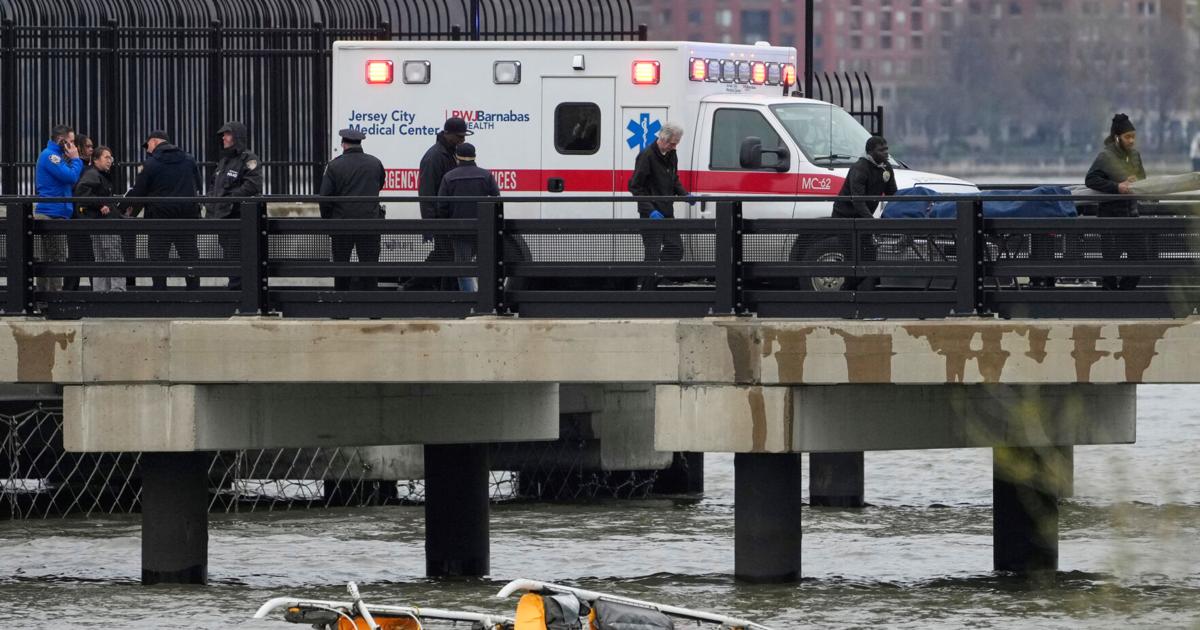
A New York City sightseeing helicopter that crashed into the Hudson River last year, killing all six people on board, likely struck several geese before going down, federal investigators say. A bird expert from the Smithsonian Institution identified remains from multiple types of geese found on the wreckage, according to SFGATE and WFMZ.
The National Transportation Safety Board is leading the investigation into the crash. The discovery of goose remains on the helicopter points to a bird strike — when a bird collides with an aircraft — as a possible cause of the deadly accident, Greenwich Time reported.
Goose Remains Found Across the Wreckage
Scientists from the Smithsonian Institution examined biological material pulled from the crashed helicopter. They found remains from several different types of geese, according to Corsicana Daily Sun. The discovery suggests the helicopter may have flown through a flock of birds before losing control and plunging into the river.
Bird strikes are a known danger to low-flying aircraft, especially in the New York City area. Geese are among the heaviest birds that helicopters and planes commonly encounter. A large goose can weigh up to 14 pounds, enough to cause serious damage to a rotor or engine on impact.
Six Killed in Hudson River Crash Last Year
The sightseeing helicopter went down in the Hudson River, killing all six people on board. The victims included tourists who had booked a scenic flight over New York City. The crash was one of the deadliest aviation accidents in the New York area in recent years, MRT reported.
Sightseeing helicopter tours are common over New York City and the Hudson River. The flights offer views of landmarks like the Statue of Liberty and the Manhattan skyline. The crash prompted calls for tighter safety rules around low-altitude helicopter flights in the city.
NTSB Investigation Still Ongoing, No Final Cause Yet
The NTSB has not yet named a final cause for the crash. Finding bird remains on a wreck is a key step, but investigators still need to determine exactly how the strike affected the helicopter's systems. The board will look at the engine, rotor, and flight data before releasing a final report, according to NH Register.
Bird strike investigations can take months or even years to complete. The NTSB will also review air traffic control recordings and maintenance records. A full report could lead to new safety recommendations for helicopter tour operators flying over urban waterways.
Bird Strikes Pose a Growing Risk to Low-Flying Aircraft
Bird strikes cost the U.S. aviation industry more than $1 billion per year in damage and delays, according to the Federal Aviation Administration. The New York City area is especially risky because it sits along a major bird migration route. The 2009 "Miracle on the Hudson" — when a US Airways jet hit geese and landed on the river — put the danger in the spotlight.
Airports and aviation agencies use radar, trained dogs, and loud noises to scare birds away from runways. But helicopters flying at low altitudes over rivers have fewer defenses. The NTSB's findings in this case could push regulators to look more closely at bird risks for urban helicopter tours, KDH News noted.
Sentiment
NeutralNEGATIVENEUTRALPOSITIVE
Publishers
13
Articles
339
Reach
352
A
AnonymousAuthor


