Cuba Power Crisis
Cuba endures third nationwide blackout in nine days, sparking frustration and protests amid U.S. oil blockade.
Anonymous
Key Points
1
Public reaction on Tele Rebelde's Facebook posts reveals widespread frustration with the outages, including memes and comments like 'With what electricity?' and 'FIFA is going to donate two power plants and a ship full of oil so our SEN will let us watch the matches,' illustrating how the crisis is shaping daily discourse.
2
Water shortages are intensifying as pumps in high-rise buildings rely on electricity; thousands have gone without running water for days, with residents like Yunaisi Durruti noting her home has had no water for a week even when power briefly returns.
3
To cope with the heat and prolonged outages, many Cubans are sleeping on rooftops to catch a breeze and escape indoor heat, highlighting how the grid collapse affects living conditions beyond just electricity.
4
The crisis is linked to a U.S.-led oil blockade, with Article 1 noting that U.S. President Donald Trump imposed the blockade after Washington deposed Venezuelan President Nicolas Maduro, and that Venezuela had been Cuba's fuel source while Mexico later halted shipments under U.S. pressure.
Cuba's national power grid collapsed for the third time in nine days on Tuesday, knocking out electricity for roughly 10 million people across the island, according to CiberCuba. The failure marks the fifth total blackout of 2026 and the tenth in approximately 24 months — a pace that signals the country's energy system is in full collapse.
The outage hit at around 11:05 a.m. and came as Cuba struggles with a U.S.-imposed oil blockade that has starved the island of fuel, according to The Olympian. Venezuela had long supplied Cuba's oil, but those shipments dried up after Washington pressured allies to cut ties. Mexico later halted its deliveries under the same U.S. pressure.
A Grid Running on Empty for Years
Cuba's National Electroenergetic System, known as the SEN, was already fragile before this wave of blackouts began. The infrastructure is aging and severely underfunded. Fuel shortages have made it impossible to keep generators running, according to Caliber.az. When one part of the grid fails, the entire system can cascade into a full collapse within minutes.
The U.S.-led oil blockade was imposed after Washington moved against Venezuelan President Nicolás Maduro, according to 927 The Van. Venezuela had been Cuba's primary fuel supplier for years. With that lifeline cut and Mexico also halting shipments under U.S. pressure, Cuba has almost no fuel left to power its aging plants.
Water Gone, Food Spoiling, Cubans Sleeping on Rooftops
The blackouts have set off a cascade of daily hardships. Water pumps in high-rise buildings run on electricity, so when the grid goes down, taps run dry. One resident, Yunaisi Durruti, told reporters her building had no running water for an entire week — even during the brief moments when power briefly returned, according to AOL.
With indoor temperatures soaring and no fans or air conditioning, many Cubans have taken to sleeping on rooftops to catch a breeze. Food is spoiling in powerless refrigerators. Finding alternatives has become a full-time effort, with many families relocating to relatives' homes that may have a generator or a different grid connection.
Protests Erupt as Frustration Boils Over in Havana
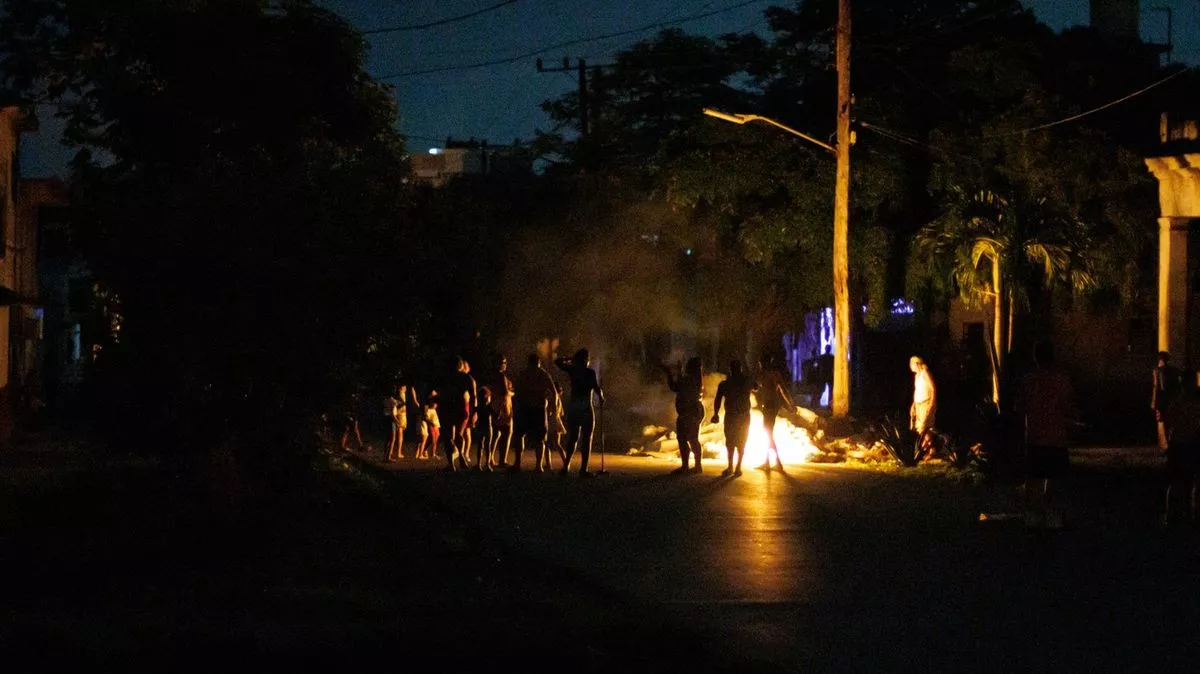
Scattered protests broke out in Havana following the latest collapse, according to CiberCuba. Social frustration has spilled online as well. On Tele Rebelde's Facebook posts, Cubans flooded comments with memes and pointed jokes. One user wrote, 'With what electricity?' Another quipped, 'FIFA is going to donate two power plants and a ship full of oil so our SEN will let us watch the matches.'
The humor masks real anger. Broadcast services have been disrupted along with everything else, cutting residents off from information during an already chaotic situation. Limited access to news and communication makes a bad crisis harder to navigate, and it has become part of the story in its own right.
No Fix in Sight Without Fuel and New Infrastructure
Experts and observers say short-term patches will not solve Cuba's energy problem. The SEN needs deep modernization — new plants, upgraded transmission lines, and a steady fuel supply. None of those things are on the horizon right now, according to The Olympian. Without them, another collapse is not a question of if, but when.
The U.S. blockade remains in place, and Venezuela's ability to ship oil is still constrained. Mexico has not resumed deliveries. Cuba is essentially running its entire power grid on fumes, and each new blackout leaves the system weaker and harder to restart than the one before.
Sentiment
Mostly NegativeNEGATIVENEUTRALPOSITIVE
Publishers
22
Articles
121
Reach
143
A
AnonymousAuthor


