Damascus Security Crisis
Twin Explosions Strike Central Damascus Near Macron's Hotel Amid Crucial Diplomatic Visit
Anonymous
Key Points
1
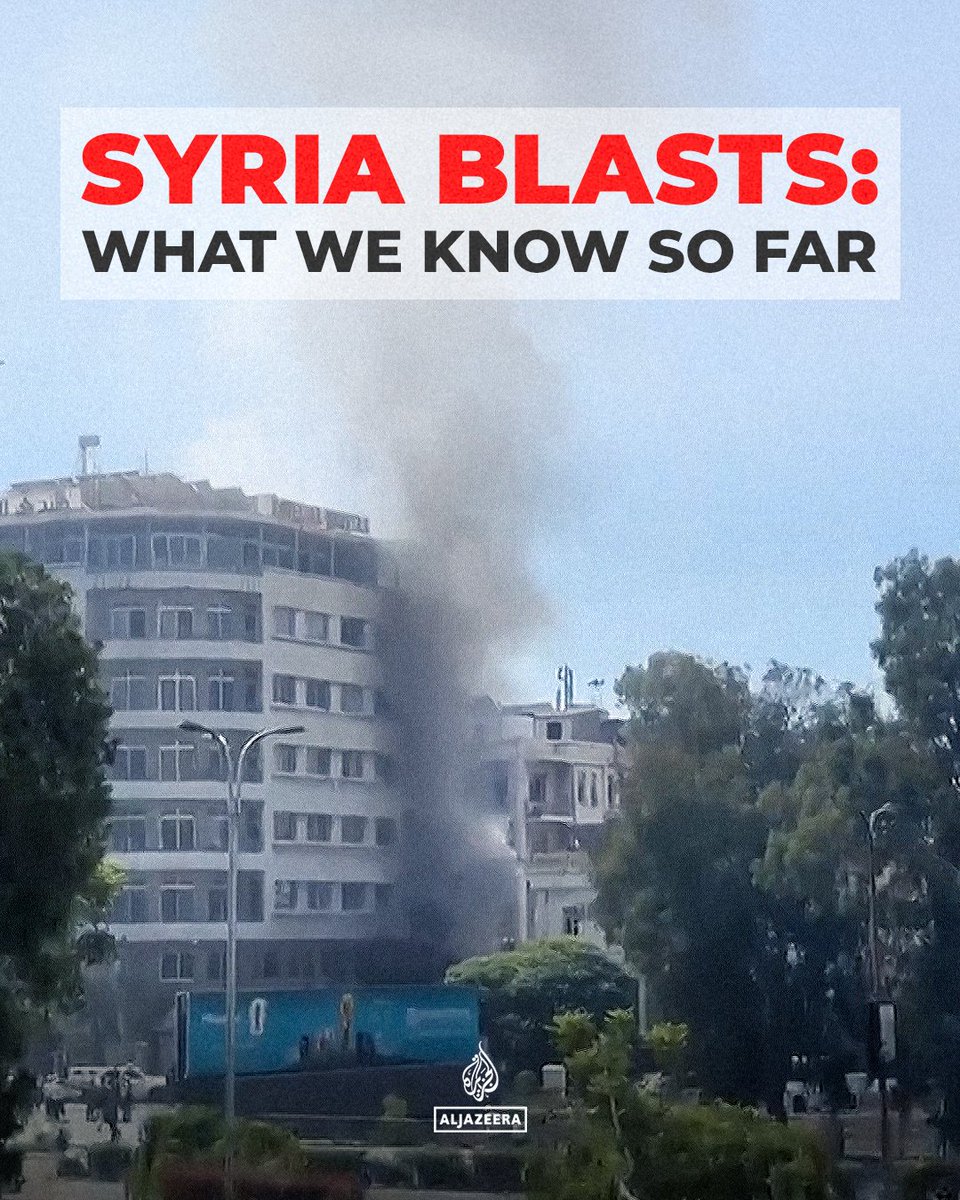
Two explosive devices detonated in two adjacent areas near Victoria Bridge in central Damascus; initial reports indicated deaths and injuries, but no official toll has been released yet, with the Internal Security Command beginning combing operations in the area.
2
A prior deadly bombing at a café near Damascus's Palace of Justice on July 2 has heightened security concerns ahead of Macron's visit, illustrating a worrying pattern of attacks in the capital.
3
Macron arrived in Damascus with Foreign Affairs Minister Jean-Noel Barrot, and his delegation was moved to a secure location after the blasts near the hotel where he was staying.
4
Reuters (as reported by Marketscreener) notes that Macron is the first major EU leader to visit Damascus since the regime transition, underscoring the symbolic significance of the trip amid ongoing security concerns.
5
Explosions occurred in the vicinity of the hotel hosting Macron, prompting road closures and heightened perimeter controls as security forces responded to the incident while the diplomatic delegation remained in the area.
Two explosive devices detonated in central Damascus on Tuesday near Victoria Bridge, just meters from the hotel hosting French President Emmanuel Macron during his historic visit to Syria. Times of Israel reported that the blasts struck close to where Macron was supposed to be staying, prompting security forces to immediately seal roads and move his delegation to a secure location.
Macron is the first major EU leader to visit Damascus since the fall of Bashar al-Assad's regime. He arrived alongside French Foreign Affairs Minister Jean-Noel Barrot. No group has yet claimed responsibility for the attacks, and no official casualty toll has been released.
Blasts Rock Central Damascus Near French Delegation
The two devices went off in adjacent areas near Victoria Bridge, one of central Damascus's key landmarks. Times of Israel reported that the explosions occurred in the direct vicinity of the hotel where Macron's team was based. Security forces launched combing operations in the area immediately after the blasts. Road closures went up around diplomatic zones and central districts.
Initial reports indicated deaths and injuries, but Syrian authorities have not confirmed an official toll. The Internal Security Command began sweeping the blast sites. Heightened perimeter controls were placed around key locations across the capital as investigators worked to determine the full scope of the attack.
Macron Moved to Safety as Diplomatic Visit Continues
French security personnel relocated Macron and his delegation to a secure site after the blasts were heard. Macon Telegraph reported that the diplomatic visit continued despite the security incident. Macron and Barrot had been engaged in high-level meetings with Syrian officials before the explosions disrupted activity in the area.
Macron's visit carries enormous symbolic weight. Kansas reported that he is the first significant EU leader to set foot in Damascus since Assad's overthrow. The timing of the attack — during a major Western diplomatic mission — immediately raised questions about who carried it out and why.
A String of Bombings Signals Deepening Security Crisis
Tuesday's blasts did not happen in isolation. On July 2, a deadly bombing struck a café near Damascus's Palace of Justice, killing several people. That attack had already put security forces on edge ahead of Macron's arrival. The two incidents together point to a troubling pattern of violence in post-transition Syria.
Syria's new authorities are struggling to maintain order across the country since Assad's fall. Armed groups remain active, and the capital has seen repeated security scares. No single faction has stepped forward to claim Tuesday's attack, leaving investigators with few immediate leads.
What Comes Next for Damascus and Western Engagement
Western nations have been cautiously re-engaging with Damascus since the regime change. Macron's visit was meant to signal EU support for Syria's political transition. Tuesday's explosions now cast a shadow over that outreach. They raise urgent questions about whether Damascus can guarantee the safety needed for sustained diplomatic engagement.
Syrian security forces remain under pressure to show they can control the capital. The Internal Security Command's ongoing search operations are a public test of that capability. How quickly — and convincingly — authorities respond may shape the pace of future international visits and diplomatic investment in Syria's fragile new order.
Sentiment
Mostly NegativeNEGATIVENEUTRALPOSITIVE
Publishers
13
Articles
37
Reach
50
Topics
A
AnonymousAuthor


