Stourbridge Wildfires Destroy 19 Homes
Accidental Agricultural Machinery Sparks Stourbridge Wildfires That Destroy 19 Homes
Anonymous
Key Points
1
Doorbell footage captured by residents showed the devastation as the Stourbridge blaze intensified, including footage of gardens catching fire and homes under threat.
2
The fires left 25 people in hospital in addition to the 19 homes destroyed.
3
West Midlands Fire Service said the fires burned across more than 500 acres, including a 40-acre residential area affected by the blaze.
4
A rescue centre was established nearby to assist evacuees and coordinate support for those affected.
5
The first fire began around 13:27 BST near Racecourse Lane, with a second fire starting shortly afterward in a field near Quarry Park Road.
Two accidental fires destroyed 19 homes and burned over 500 acres near Stourbridge on August 13, sparked by agricultural machinery in nearby fields. West Midlands Fire Service confirmed the blazes were not started deliberately, with the first igniting around 1:27 p.m. near Racecourse Lane and a second breaking out shortly after near Quarry Park Road.
The fires forced mass evacuations and left 25 people hospitalized. A 40-acre residential area was directly affected, and local rescue centers worked to support displaced residents. Chief Fire Officer Simon Tuhill praised firefighters, police, and community members for their coordinated response during the extreme heat event.
How Agricultural Machinery Sparked the Blazes
Investigators determined both fires started in fields where farming equipment was actively in use. West Midlands Fire Service said the machinery operated during extreme heat conditions that heightened fire risk. The accidental ignitions occurred within minutes of each other, suggesting the heat and dry conditions created a perfect storm for rapid fire spread.
Scale of Destruction Across 500 Acres
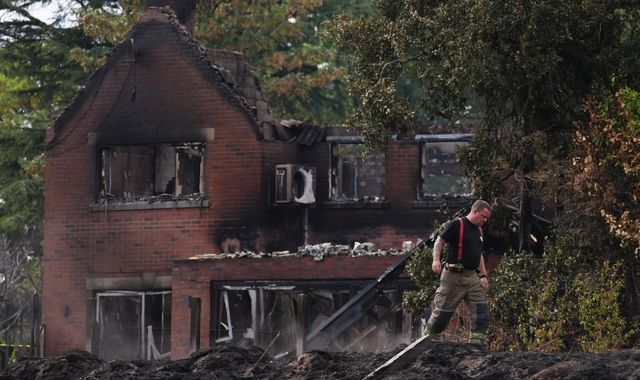
The twin blazes consumed more than 500 acres total, with 40 acres cutting through residential neighborhoods. West Midlands Fire Service confirmed 19 homes were destroyed outright, while another 18 sustained damage. The fires forced dozens of residents to flee their properties as flames advanced rapidly through gardens and toward occupied homes.
Doorbell footage captured by residents showed the devastation unfold in real time—gardens igniting, smoke billowing over streets, and homes appearing under direct threat. The evidence helped investigators piece together the timeline and understand fire behavior during the extreme heat conditions that August day.
Emergency Response and Community Support Networks
First responders established rescue centers near the fire zone to shelter evacuees and coordinate aid. Twenty-five people required hospital treatment for injuries sustained during the evacuation and fires. Local authorities and residents praised the rapid mobilization of police, firefighters, and volunteer support that formed in the aftermath.
The community response highlighted how residents rallied to help neighbors facing a long rebuilding process. Support networks provided temporary housing, meals, and emotional assistance to those who lost homes. Chief Fire Officer Simon Tuhill emphasized the scale of damage would require sustained community commitment in the months ahead.
Extreme Heat Conditions Fueled Rapid Fire Spread
August 13 brought unusually hot, dry conditions that created ideal circumstances for fire to spread quickly. The extreme weather prompted national wildfire alerts and heightened fire risk across the region. When the agricultural machinery ignited dry grass and vegetation, flames raced across fields faster than initial responders could contain.
Sentiment
Mostly NegativeNEGATIVENEUTRALPOSITIVE
Publishers
11
Articles
51
Reach
62
A
AnonymousAuthor


