Protecting Voice Ownership
UK Actors Urge Prime Minister For Legal Protection Against AI Voice Cloning
Anonymous
Key Points
1
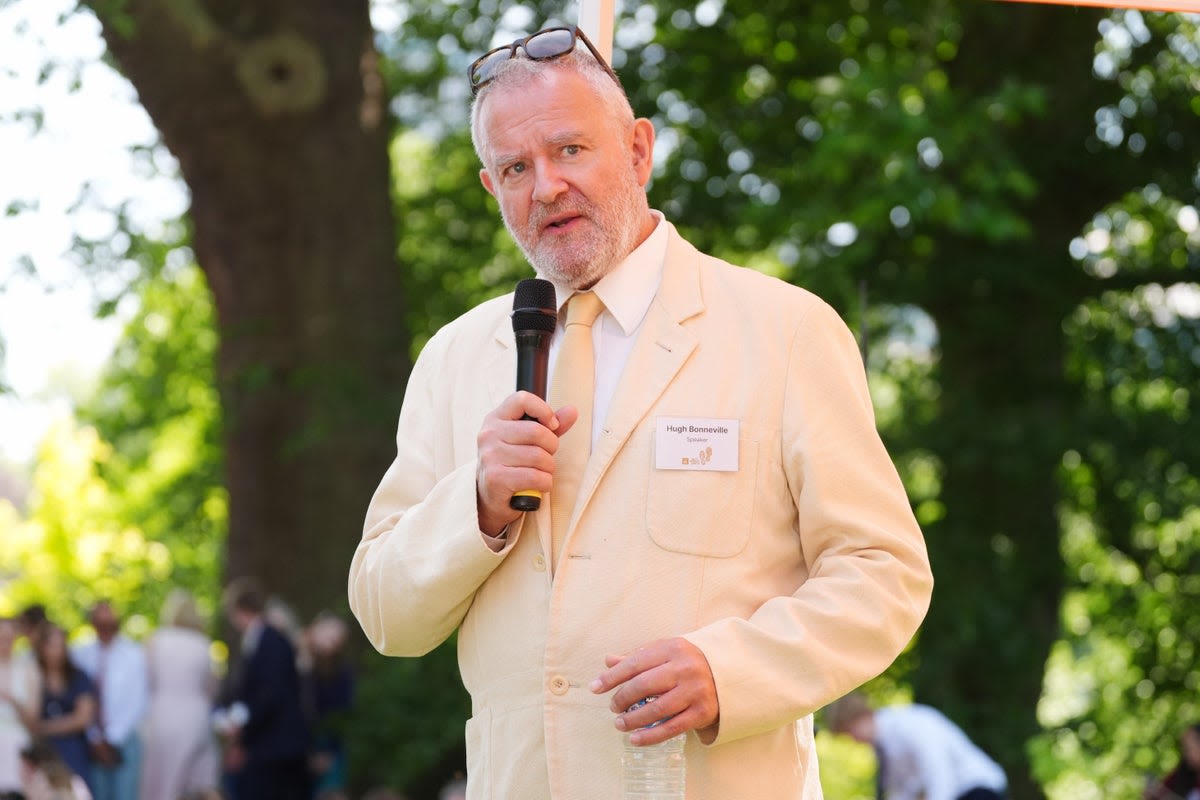
Hugh Bonneville said his quote was handwritten and 'not created by AI,' underscoring a call for human-authored expression.
2
Alice Sockett, co‑founder, described AI voice cloning as 'an existential threat to our entire industry' and said her 'voice is out there in the public domain but completely unprotected'.
3
The BBC reported that the government will launch a consultation on how to address harms from digital voice replicas while protecting legitimate innovation.
4
Campaign materials highlight that David Attenborough’s distinctive voice has reportedly been cloned tens of thousands of times without his consent.
5
Denmark has reformed its laws to grant citizens ownership over their face, body and voice, including rights to remove unauthorized AI content and seek compensation.
Eighty actors and industry figures, including Variety stars Nicola Coughlan and Hugh Bonneville, launched Save Our Voices Now to demand UK laws protecting voice ownership. The campaign calls for legislation granting every British resident the right to own and control their voice, preventing AI from cloning voices from short audio clips in minutes. Co-founder Alice Sockett called AI voice cloning "an existential threat to our entire industry" and noted her own "voice is out there in the public domain but completely unprotected".
The coalition wrote to UK Prime Minister Andy Burnham urging urgent legislative action. They framed the effort not as anti-AI, but as anti-theft and anti-misuse, seeking safeguards while preserving innovation. David Attenborough's distinctive voice has reportedly been cloned tens of thousands of times without consent, illustrating the scale of the problem. The group points to Denmark's recent reforms—which grant citizens ownership over faces, bodies, and voices—as a working model for UK lawmakers.
Why Actors See Voice Cloning as Existential Threat
AI can now replicate anyone's voice from minutes of audio. Once cloned, a voice can be weaponized—used in deepfakes, scams, or unauthorized performances. Performers lose control over how their voice is used and who profits. Variety reports that the Save Our Voices Now coalition includes comic Jen Brister, actor Pearl Mackie, and Luke Evans, spanning entertainment fields. For actors and vocalists, a voice is their instrument and livelihood. Unauthorized clones undercut their careers and earnings.
Denmark's Law Sets Blueprint for UK Reform
Denmark recently reformed its laws to grant citizens ownership over their face, body, and voice. Under Danish law, people can demand removal of unauthorized AI content and seek compensation for misuse. This legal framework treats voice and likeness as personal property deserving protection. The Independent reports the UK group is citing Denmark as proof that such legislation works. The UK government is launching a consultation on digital voice replica harms, potentially opening a pathway for similar protections in Britain.
Campaign Seeks Balance Between AI Innovation and Creator Rights
Save Our Voices Now backers are not calling for an AI ban. Instead, they want legislation that enables creators to consent to voice use and be compensated. Hugh Bonneville's handwritten statement stressed the importance of human-authored expression—a subtle dig at AI-generated content. The group argues that strong voice ownership rights create ethical guardrails while allowing legitimate AI development. Their framing appeals to lawmakers: protect workers and innovation simultaneously, avoiding false choice between the two.
Sentiment
Mostly NegativeNEGATIVENEUTRALPOSITIVE
Publishers
15
Articles
56
Reach
71
Topics
A
AnonymousAuthor


