Russia Cracks Down on Dissent
Russia Intensifies Crackdown: Blogger Detained, Politician Fined Ahead of Elections
Anonymous
Key Points
1
Boris Nadezhdin, the anti-war politician, was fined for displaying extremist symbols, and liberal Yabloko faces broader pressure with disqualifications and imprisonments ahead of the September elections.
2
Remeslo had previously testified in court against opposition figure Navalny and publicly labeled Putin a war criminal in a viral March post, signaling a sharp shift from pro-Kremlin to anti-war critic.
3
He published a Telegram post titled 'Five reasons why I stopped supporting Vladimir Putin,' marking a clear departure from his earlier pro-Kremlin stance.
4
Remeslo spent several weeks in a St. Petersburg psychiatric hospital after his March critique, later describing the hospitalization as involuntary retaliation and the 'price' of speaking out.
5
Coverage notes he reportedly received funding from entities linked to a former official in the presidential administration, adding another dimension to questions about his backers and the network surrounding opposition discourse.
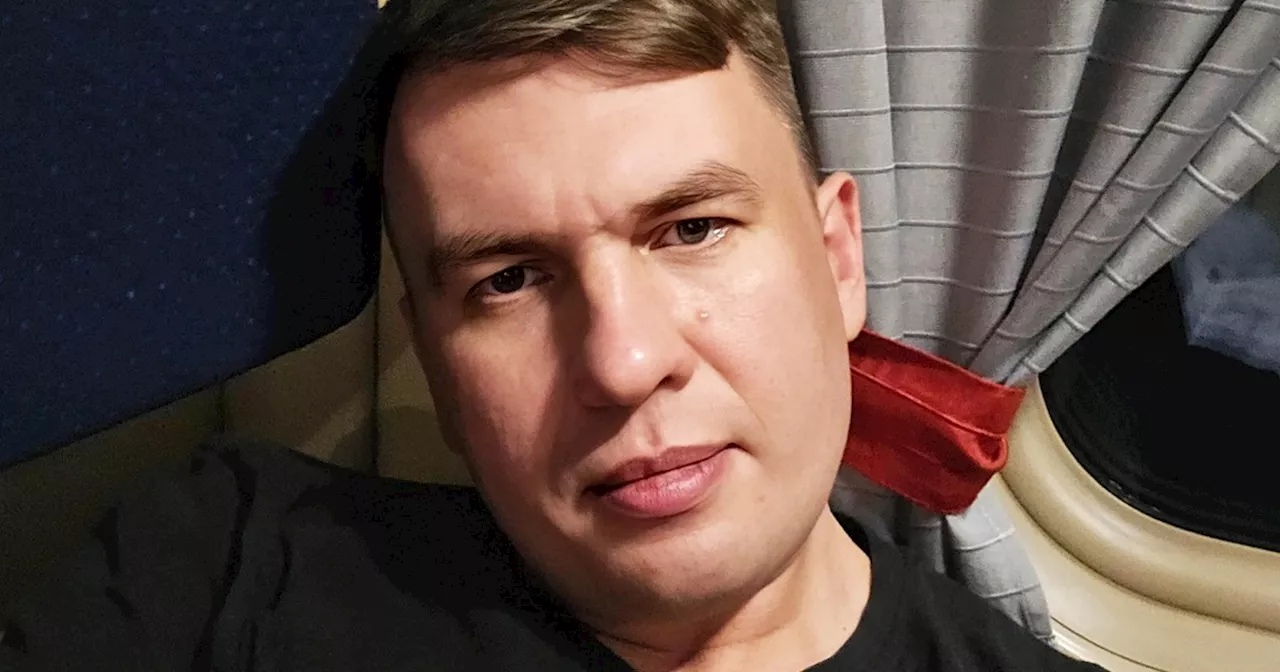
Russian authorities have detained blogger Ilya Remeslo in St. Petersburg on charges of spreading false information about the military, according to NBC News. He could face up to 10 years in prison. The arrest came immediately after he was released from a psychiatric hospital — where he had been held against his will following his public criticism of President Vladimir Putin.
The case is one of the most striking in a widening crackdown ahead of Russia's September parliamentary elections. Remeslo was once a loyal pro-Kremlin voice. Now he is being prosecuted for speaking out against the same government he used to defend.
From Putin Loyalist to Labeled War Criminal in Months
Remeslo, 42, spent years as a public supporter of Putin and the Kremlin. He even testified in court against opposition leader Alexei Navalny. Then, in March, everything changed. He published a Telegram post titled "Five reasons why I stopped supporting Vladimir Putin," calling the war in Ukraine a crime and labeling Putin a war criminal, United24 Media reported.
That post went viral. Within weeks, Remeslo was taken to a psychiatric hospital in St. Petersburg. He later said the hospitalization was not voluntary — calling it the "price" of speaking out. He was arrested almost immediately after being discharged, Newsy Today reported.
Kremlin Tightens Grip Ahead of September Elections
Remeslo's arrest is not happening in a vacuum. On the same day his case was being processed, anti-war politician Boris Nadezhdin was in court facing a fine for displaying what authorities called extremist symbols, according to Head Topics. The liberal Yabloko party has also faced pressure, with members disqualified from running and others imprisoned.
Analysts see a clear pattern. With elections three months away, the Kremlin is using legal charges to silence critical voices and shape the political landscape. Charges of spreading "false information" about the military have become one of the most common tools to target war critics inside Russia.
Questions About Funding Complicate Remeslo's Story
Remeslo's story is not simple. Reports indicate he received funding from entities linked to a former official in Russia's presidential administration, NBC News noted. That connection raises questions about whether his shift to critic was genuine — or part of a more complex internal power struggle within Russia's political elite.
His past includes provocations against opposition figures, including public attacks on Navalny. This history makes him a complicated figure. He is neither a clean dissident nor a straightforward loyalist. Still, under Russian law, what matters now is what he published — and those words carry a potential 10-year prison sentence.
Psychiatric Detention Used as a Tool of Suppression
Remeslo's time in the St. Petersburg psychiatric hospital recalls a Soviet-era tactic known as "punitive psychiatry" — locking up critics under the guise of mental health treatment. He spent several weeks there after his March post. He described the stay as involuntary retaliation, not medical care, according to Newsy Today.
He is now set to be transported to Moscow for a court hearing, United24 Media reported. His case puts a spotlight on how Russia handles dissent — through psychiatric holds, criminal charges, fines, and disqualifications — as it prepares to stage elections while fighting a war it does not allow its citizens to openly question.
Sentiment
Mostly NegativeNEGATIVENEUTRALPOSITIVE
Publishers
14
Articles
74
Reach
88
A
AnonymousAuthor


