Art Supply Reuse
Old Art Supplies Find New Life at Creative Reuse Centers, Reducing Waste and Cost
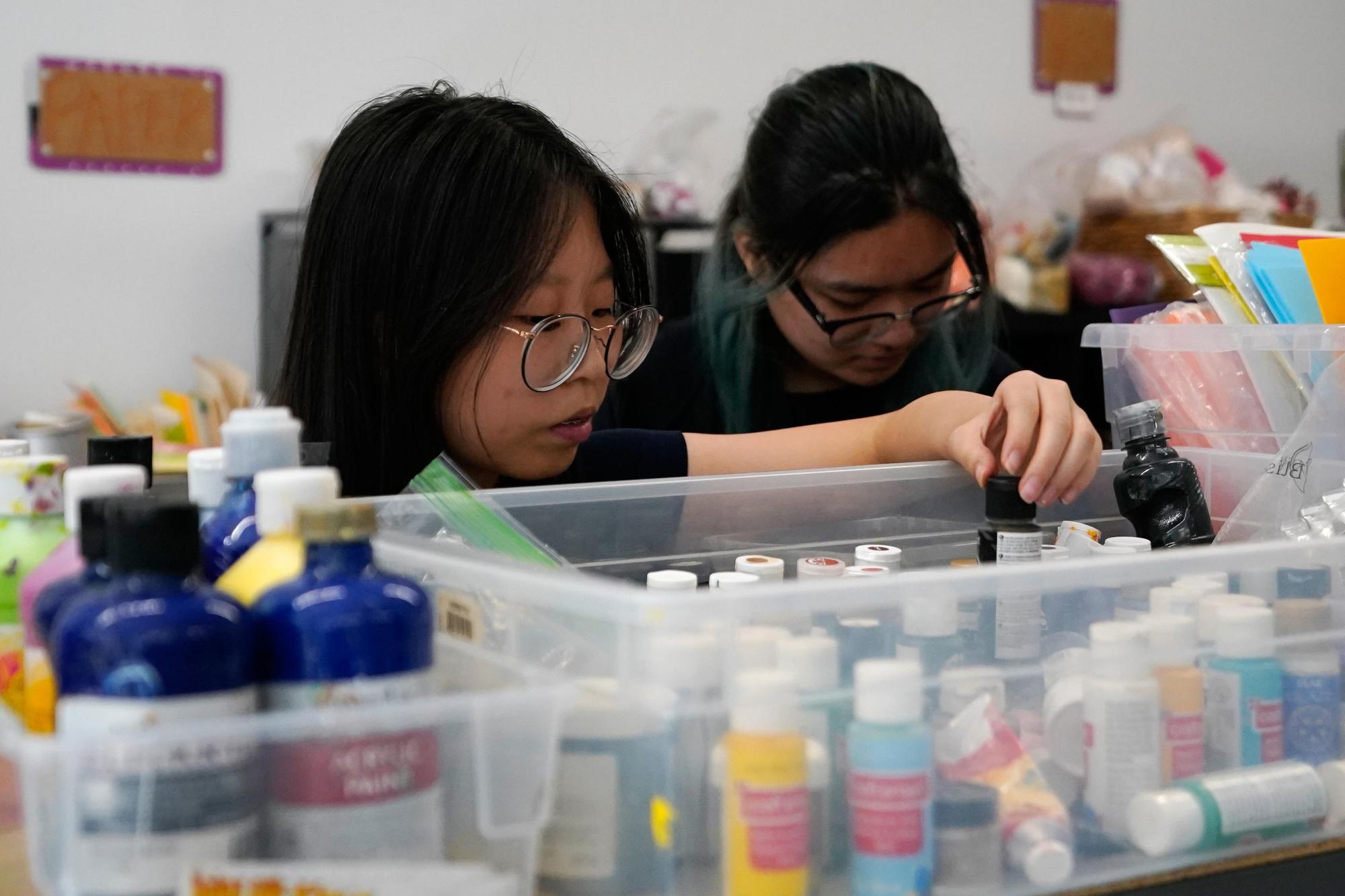
Creative reuse centers across the U.S. are turning unwanted art supplies into bargains — and keeping waste out of landfills. These nonprofit shops collect donated crafting materials and sell them at steep discounts, according to Daily Press. Think of them as thrift stores, but just for paints, brushes, fabric, and glue.
The model is simple: artists, schools, and businesses donate leftover supplies. Shoppers buy them for a fraction of retail price. Everyone wins — buyers save money, donors clear clutter, and fewer materials end up in the trash, Greeley Tribune reported.
Why Art Supplies Are a Landfill Problem
Art supplies often come in bulk. A teacher might buy 50 markers but only use 20. A crafter might open a gallon of paint and never finish it. When those extras get tossed, they don't just disappear. According to News Herald, discarded art supplies break down in landfills and can release harmful chemicals and microplastics into the soil and water.
Paints, glues, and synthetic fibers are especially problematic. They are not biodegradable. That means they linger in the environment for years. Reusing these materials — even once more — cuts the resources needed to make new ones, Journal Advocate reported.
Warehouse Shelves Stocked With Donated Craft Materials
Creative reuse centers typically operate out of large warehouse spaces. Shelves are packed with donated goods — yarn, paper, ribbon, foam, beads, and more. Prices are kept low on purpose. The goal is to make art supplies accessible to everyone, not just those who can afford full retail prices, according to Delco Times.
Schools and community groups are among the biggest beneficiaries. Teachers on tight budgets can stock classrooms with supplies they could not otherwise afford. Kids get to make art. Communities get to be creative. And the materials get used instead of dumped.
Donating What You Don't Need Is Part of the Plan
Sustainable art has a core set of principles. Buy only what you need. Use what you buy. And donate what you don't finish. Creative reuse centers are built around that last step, Daily Press reported. They make it easy to drop off extras rather than throw them away.
The donation pipeline is key. Without a steady stream of drop-offs, shelves go bare. Centers often partner with art schools, businesses, and manufacturers to keep inventory full. Some even accept materials that are past their prime for resale but still useful for mixed-media or classroom projects.
A Growing Movement With Roots Across the Country
Creative reuse is not a new idea, but it is spreading. Centers now operate in cities across the U.S. and in other countries, according to Greeley Tribune. Each one adapts to its local community — different sizes, different inventory, different prices — but the mission stays the same.
The appeal is broad. Artists love the treasure-hunt feel of browsing donated goods. Environmentalists appreciate the waste reduction. Educators value the low cost. As more people look for ways to cut spending and live greener, creative reuse centers are finding a wider audience than ever before.
Sentiment
NeutralPublishers
5
Articles
4
Reach
5


