Russia Proposes Peace Talks
Russia Offers to Facilitate US-Iran Peace Talks, Broadens Diplomacy Amid Middle East Instability
Anonymous
Key Points
1
Kremlin would welcome expansion of US talks beyond current channels, signaling openness to broader diplomacy.
2
Russia warned that deploying foreign military bases can escalate conflicts and that any base belonging to an adversary is a legitimate target in a conflict.
3
The United States, via UN ambassador Mike Waltz, signaled readiness to impose additional sanctions on Russia and continue providing military support to Kyiv.
4
The peace process has apparently expanded to involve other countries, with Moscow now explicitly included among those engaged in negotiations.
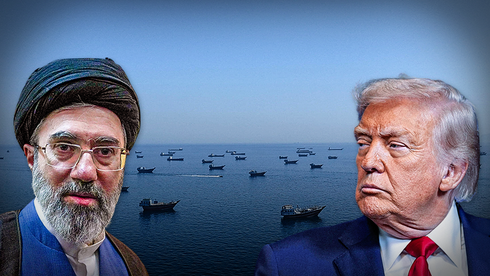
Russia has offered to host direct talks between the United States and Iran, signaling a push to position Moscow as a key broker in one of the world's most volatile standoffs. Russian Deputy Foreign Minister Alexander Alimov said Moscow is "ready to provide a platform" for dialogue but will not "impose itself" as a mediator, according to Caspian Post.
The offer comes as Washington and Tehran are separately weighing a 10-day ceasefire proposal, according to Ynet News, following nine straight nights of military exchanges. The potential pause signals just how close both sides are to a broader escalation.
Russia Positions Itself as Middle East Peace Broker
Alimov said Russia has broadened contacts with key regional players, including Pakistan, Saudi Arabia, and Turkey. Moscow is not trying to replace existing mediators. Instead, it wants to add a platform where all sides can talk. Russia says it has kept "close contacts" with Islamabad, Riyadh, and Ankara as part of this effort, according to Caspian Post.
Moscow stressed that its role is facilitation, not control. Alimov said Russia will not "dictate terms" to any party. Pakistan is already involved as a go-between in broader Middle East peace efforts, and Russia says it sees its role as complementary to those existing channels.
US and Iran Eye 10-Day Ceasefire to Restart Talks
A senior Iranian official confirmed that Washington and Tehran are considering a 10-day pause in hostilities, according to Crypto Briefing. The goal is to revive an earlier memorandum of understanding between the two countries. The ceasefire has not been finalized, and talks remain fragile.
The proposal follows nine consecutive nights of military exchanges between US and Iranian-linked forces, according to Ynet News. Gulf states have faced ongoing attacks during this period. Any breakdown in the ceasefire window could push the region closer to full-scale conflict.
Moscow Warns Foreign Military Bases Invite Escalation
Russia used the moment to push a broader argument about foreign military presence in the Middle East. Moscow warned that any foreign military base belonging to an adversary becomes a "legitimate target" in a conflict. The statement was a pointed message aimed at US bases across the Gulf region.
Alimov argued that foreign bases tend to escalate conflicts rather than stabilize them. Russia's position is that military involvement from outside powers makes peace harder to reach, not easier. Moscow presented its own platform offer as a contrast — dialogue over deployment.
US-Russia Tensions Simmer Even as Diplomacy Expands
Despite Moscow's outreach, US-Russia relations remain strained. UN Ambassador Mike Waltz signaled that Washington is ready to impose additional sanctions on Russia and will keep sending military support to Ukraine. The tough talk came even as US and Russian representatives held what Moscow described as "constructive" talks at the United Nations on global development issues.
The mixed signals show the complexity of the moment. Russia is pushing for a mediator role in the Middle East while still facing Western pressure over Ukraine. Whether Moscow's offer to host US-Iran talks gains traction depends heavily on whether Washington sees any value in giving Russia that platform.
Sentiment
Mostly NegativeNEGATIVENEUTRALPOSITIVE
Publishers
10
Articles
6
Reach
16
A
AnonymousAuthor


