Nvidia Pursues Rebellions Acquisition
Nvidia Enters Early Acquisition Talks With South Korean AI Chip Designer Rebellions
Key Points
Rebellions’ Rebel100 NPU is built on Samsung’s 4nm process with a four‑chiplet architecture and 144GB of HBM3E memory, underscoring its emphasis on AI inference efficiency for data centers.
South Korea’s Korea National Growth Fund invested 250 billion won (about $165 million) directly in Rebellions via the Advanced Strategic Industry Fund, the first direct investment under that program.
Rebellions is pursuing a Korea-listed IPO on the KOSPI in early 2027 (first or second quarter) with the potential for a U.S. ADR listing afterward, a timetable that could influence deal negotiations.
Investors backing Rebellions include SK Hynix, Samsung Ventures, Arm, SK Telecom, and Wa’ed Ventures, with Samsung and SK Hynix also holding stakes, alongside ongoing government support from the Korea National Growth Fund.
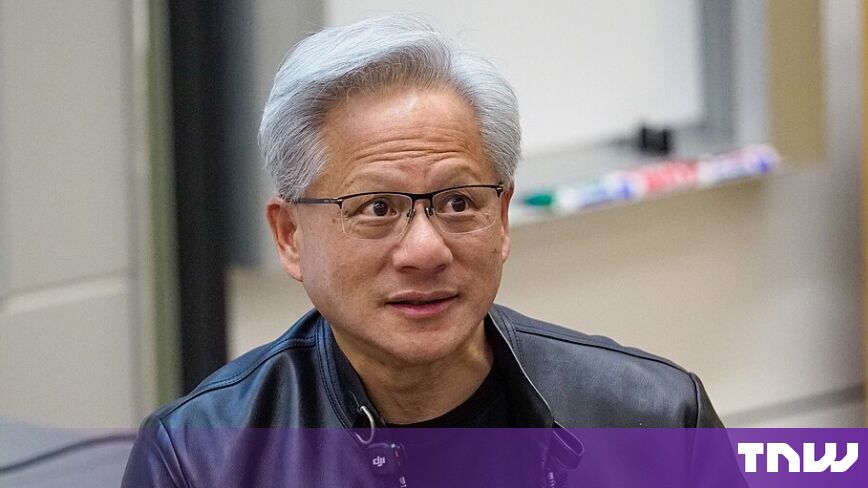
Nvidia is in early talks with South Korean AI chip designer Rebellions about a potential deal that could range from a technology partnership to a full acquisition valued around $2.3 billion Bloomberg. CEO Jensen Huang met with Rebellions CEO Sunghyun Park at Nvidia's Santa Clara headquarters to discuss the collaboration, which comes as Nvidia seeks to expand its AI hardware ecosystem beyond its reliance on TSMC for GPU manufacturing The Next Web.
Rebellions has raised about $850 million in funding and specializes in AI inference chips called NPUs (neural processing units). The startup is backed by major investors including SK Hynix, Samsung Venture Investment, Arm, and South Korea's government-backed Korea National Growth Fund VentureBurn. The talks remain preliminary and could fall through, but they signal Nvidia's push to secure efficient inference technology from a strategically positioned South Korean partner.
Why Nvidia Wants Rebellions' Chip Design
Rebellions' Rebel100 NPU runs on Samsung's 4-nanometer process with a four-chiplet architecture and 144GB of high-speed HBM3E memory DataConomy. This design emphasizes efficiency for data centers handling AI inference — the process of running trained AI models to generate answers. Unlike Nvidia's GPU-heavy approach, Rebellions' chiplet design could offer a different architectural path for inference workloads.
The partnership would give Nvidia access to Samsung-fabricated chips, diversifying away from its current TSMC dependency The Next Web. South Korea backs Rebellions directly: the Korea National Growth Fund invested 250 billion won ($165 million) through its Advanced Strategic Industry Fund. This was the first direct investment under that program, underscoring Seoul's commitment to building a homegrown AI chip industry.
Rebellions' IPO Plans Could Shape Any Deal
Rebellions is pursuing its own growth path: an IPO on Korea's KOSPI stock exchange in early 2027, followed by a potential U.S. listing through ADRs (American Depositary Receipts) VentureBurn. This aggressive timeline gives Rebellions leverage in negotiations. If a deal doesn't close by late 2026, the startup can go public independently and unlock shareholder value without Nvidia's involvement.
The IPO strategy reflects confidence in Rebellions' market position and government backing Bloomberg. Delisting from KOSPI or abandoning an ADR plan to accept an acquisition would require board approval and investor consent. This timetable pressure cuts both ways: Nvidia may accelerate talks to close before the IPO window, or Rebellions might use the IPO threat to demand better terms.
Regulatory Hurdles in U.S.-South Korea Tech Tensions
Any acquisition or deep partnership faces U.S. export controls and South Korean foreign investment rules The Next Web. Nvidia already faces restrictions on selling advanced chips to China. A deal for Rebellions — a government-backed South Korean firm — would trigger scrutiny from both Washington and Seoul about technology transfer and strategic autonomy.
South Korea has incentivized domestic AI chip development to reduce dependence on Nvidia Bloomberg. Selling Rebellions entirely to Nvidia could undercut that goal. Both governments may prefer a minority investment or technology licensing deal over a full acquisition. These regulatory pressures mean even early-stage talks move slowly and carefully.
A Broader Push to Consolidate AI Chip Supply
Nvidia's interest in Rebellions fits a larger pattern: buying or investing in chip designers to control more of the AI hardware stack VentureBurn. The company has acquired several smaller chip firms and invested in startups building GPUs, inference chips, and networking technology. Each deal or investment locks in Nvidia's dominance across different segments of AI infrastructure.
Rebellions' backers include SK Hynix, SK Telecom, Samsung Ventures, and Arm, alongside government funds DataConomy. These investors give the startup credibility and connections across the South Korean tech ecosystem. For Nvidia, acquiring or deeply partnering with Rebellions would mean instant access to a government-vetted, industry-backed AI chip team — a rare combination in a fragmented market.
Sentiment
Mostly PositivePublishers
11
Articles
11
Reach
22


