Ensuring Pet Safety
Dog Trainers Share Essential Advice for Pet Owners Leaving Dogs Home Alone
Anonymous
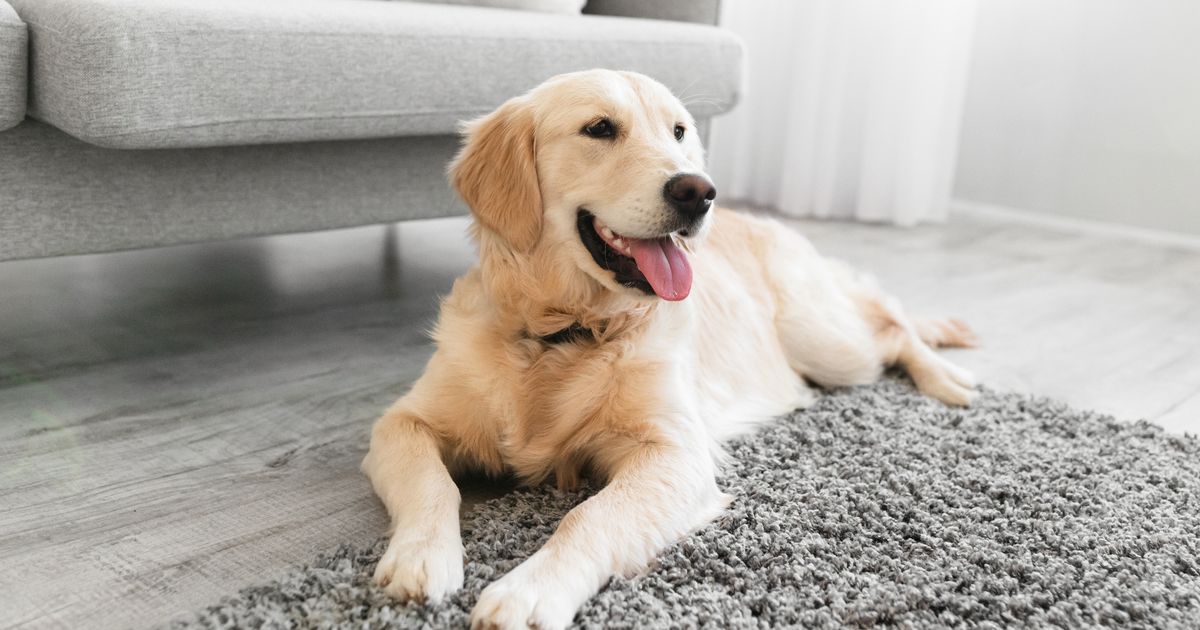
Dog trainer Sarah Hodgson has issued a warning to pet owners who leave their dogs home alone, stressing that the practice requires careful planning to keep animals safe and calm. Healthy adult dogs can handle being left alone for 4 to 6 hours, but 8 hours should be the absolute maximum, according to Daily Post.
Hodgson flagged a specific concern for dogs with protective instincts. These animals are more likely to act aggressively when left without their owners. She urged households to take simple but important steps before heading out the door.
How Long Is Too Long to Leave a Dog Alone
The 4-to-6-hour window is the sweet spot for most adult dogs, Leeds Live reported. Pushing past 8 hours puts the animal at risk of stress, anxiety, and destructive behavior. Puppies and older dogs need even more frequent check-ins, as they cannot hold their needs as long as healthy adults.
Dogs with protective tendencies face a unique challenge. Hodgson noted these dogs often feel threatened by sounds or movement outside the home. Without an owner present to reassure them, that tension can boil over into aggression or panic.
Hodgson's Top Tips for a Calmer, Safer Home
Hodgson recommended setting up a dedicated safe space for your dog before you leave. This could be a crate or a specific room in the house. The goal is to give the dog a defined, familiar area where it feels secure rather than free to roam and worry.
She also suggested using sound-cancelling music or calming audio to block out outside noise. Street sounds, passing cars, or other animals can trigger a stress response. Playing background audio is a low-cost way to reduce that risk, according to Get Surrey.
Dogs Trust Adds Its Own Practical Advice
The UK's leading dog welfare charity, Dogs Trust, also weighed in with its own set of recommendations. The charity suggested giving dogs a cosy bed and creating a so-called "doggy den" — a small, enclosed space that mimics the comfort of a burrow. Baby gates can also help limit a dog's movement to a safer area of the home.
Dogs Trust also recommended training your dog to relax quietly while you are still in the house but occupied with other tasks. This builds a habit of calm independence. Practicing short separations before longer ones helps dogs adjust gradually rather than all at once, Daily Post reported.
Why This Warning Matters for Everyday Pet Owners
Many owners underestimate how much their absence affects their dog's mental state. Separation anxiety is one of the most common behavioral problems in dogs. It can lead to excessive barking, chewing furniture, or going to the bathroom inside the home.
Taking a few minutes to prepare before leaving — setting up a safe space, turning on calming audio, and making sure the dog has water and a comfortable spot — can make a significant difference. Hodgson's message is simple: a little preparation goes a long way toward a happier, safer dog, according to Leeds Live.
Sentiment
NeutralNEGATIVENEUTRALPOSITIVE
Publishers
6
Articles
5
Reach
6
A
AnonymousAuthor


