Inflation Drives Asian Markets
Slowing US Inflation Boosts Asian Markets, Despite Geopolitical Worries
Anonymous
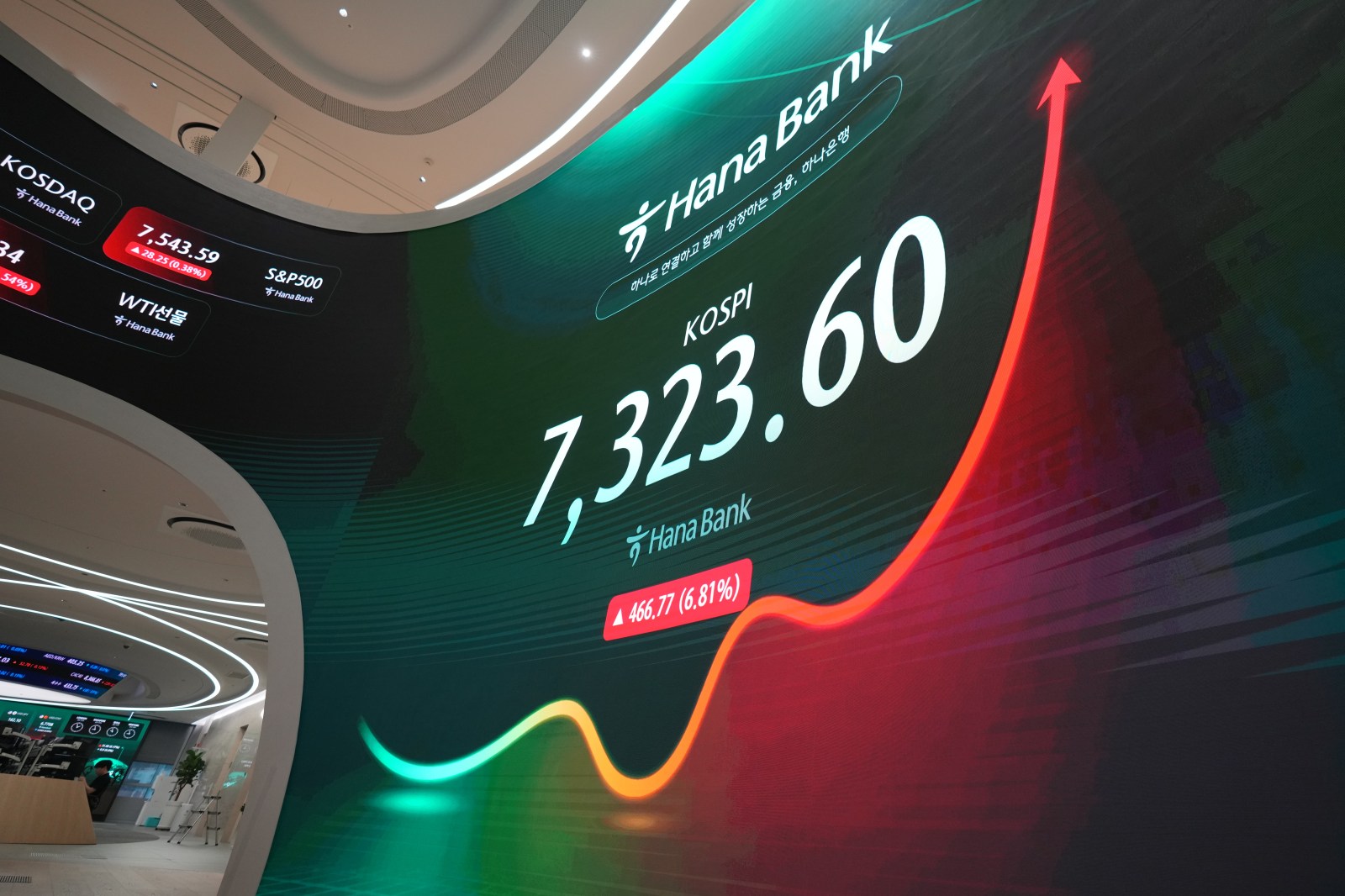
Asian stocks mostly rose on Friday after Wall Street rallied following a report showing U.S. inflation was not as bad as feared. South Korea's Kospi led the gains, surging 7.1% to 7,343.37, as semiconductor stocks bounced back from a sharp recent sell-off, according to The Star.
The inflation data gave investors hope that the U.S. Federal Reserve may not need to keep raising interest rates. But gains across Asia were uneven, as fears of a wider war between the U.S. and Iran kept traders cautious and pushed oil prices higher, Newsday reported.
South Korea's Kospi Leads Asia's Rebound
South Korea posted the biggest gains across the region. The Kospi jumped 7.1% to 7,343.37, driven by a rebound in semiconductor stocks that had been hit hard in recent weeks. Chip stocks had sold off sharply before the inflation data gave buyers a reason to step back in, according to WRAL.
Hong Kong's Hang Seng gained 1.6%, closing at 24,721.10. Not every market followed the trend, however. China's Shanghai Composite slipped 0.4%, bucking the broader rally, Winnipeg Free Press reported.
China's Economy Slows as Growth Drops to 4.3%
Fresh data out of China added a note of caution. The Chinese economy grew at a 4.3% annualized pace in the April-June quarter. That is a slowdown from 5% growth in the first three months of the year, according to AJC.
The weaker growth figures weighed on Chinese stocks and helped explain why the Shanghai Composite fell while other markets climbed. Investors are watching closely to see if China's economy can regain momentum in the second half of the year.
Slowing U.S. Inflation Eases Pressure on the Fed
The driver behind Wall Street's rally — and much of Asia's follow-through — was a U.S. inflation report that came in better than expected. Lower inflation means the Federal Reserve, America's central bank, may not need to raise interest rates as aggressively. When rates stay lower, stocks tend to rise because borrowing is cheaper and future earnings look more valuable, The Star explained.
But the picture is not entirely rosy. Slower inflation can also signal a cooling economy. A weaker economy can hurt company profits and raise prices for many types of investments, Newsday noted.
U.S.-Iran War Fears Cap Gains Across Markets
Concerns about a full-scale war between the United States and Iran tempered investor enthusiasm. The threat of an all-out conflict has pushed oil prices higher. Rising oil costs can lift inflation and slow economic growth, creating a new headache for central banks and investors alike, according to WRAL.
The tension meant that even markets posting gains were doing so cautiously. Traders are watching the Middle East closely. Any escalation could quickly reverse the mood that lifted stocks across Asia and Wall Street this week, Winnipeg Free Press reported.
Sentiment
NeutralNEGATIVENEUTRALPOSITIVE
Publishers
5
Articles
4
Reach
5
A
AnonymousAuthor


