Bruce Davis Passes Away
Manson Follower Bruce Davis Dies in California Prison at Age 83
Anonymous
Key Points
1
Parole records said Gary Hinman was targeted because Manson viewed him as a potential source of help for the group’s planned move from Los Angeles to the desert. When Hinman refused, Davis held him at gunpoint while Manson slashed his face with a sword.
2
Davis was also involved in the attack on Donald “Shorty” Shea after Manson accused Shea of being a police informant and trying to remove the group from Spahn Ranch. Davis acknowledged cutting Shea, alongside Manson, Steve Grogan and Charles “Tex” Watson.
3
Davis spent most of his incarceration at San Quentin State Prison, according to the Los Angeles Times.
4
California governors repeatedly blocked parole recommendations for Davis, including Arnold Schwarzenegger, Jerry Brown and Gavin Newsom. In a 2022 denial, his attorney said a parole commissioner told Davis that he “lacks empathy.”
5
Davis’s parole hearing was postponed in January 2024, months after he appeared on the podcast “The Lighter Side of Serial...”
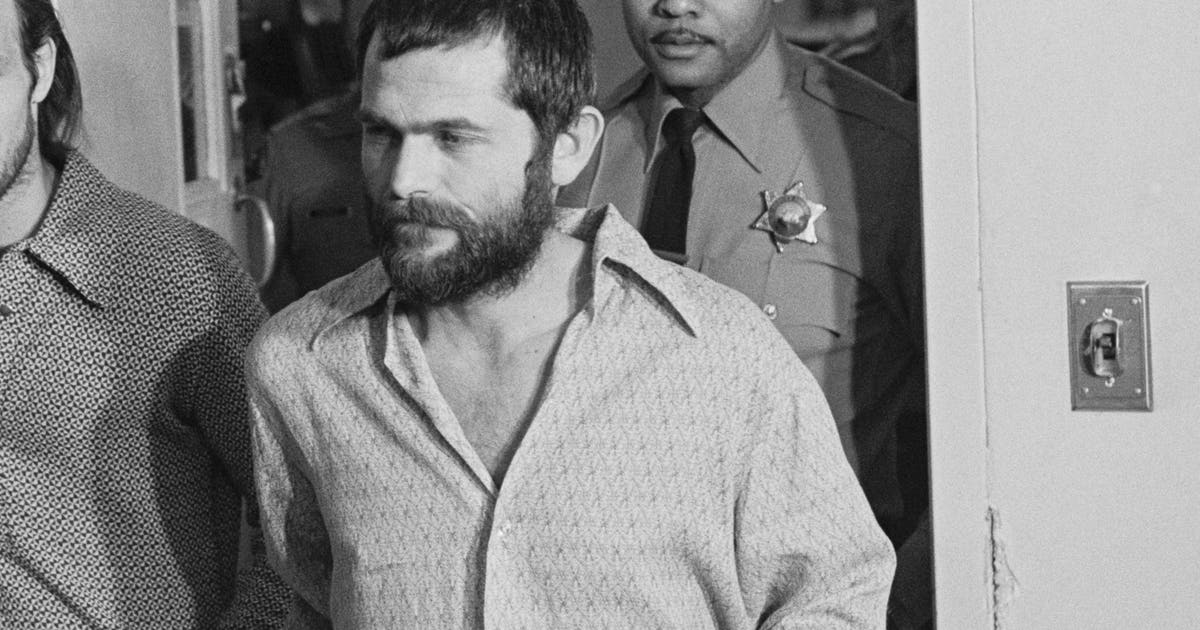
Bruce Davis, a key member of Charles Manson's inner circle, died at age 83 in a California prison medical facility on September 11. NY Daily News reported that Davis was serving a life sentence for his role in two 1969 murders: Gary Hinman and Donald "Shorty" Shea. He held a gun during Manson's attack on Hinman and admitted to cutting Shea alongside Manson himself. Unlike other Manson followers, Davis was not involved in the famous Sharon Tate killings.
Davis spent 52 years imprisoned after his 1972 conviction. Multiple California governors—including Arnold Schwarzenegger, Jerry Brown, and Gavin Newsom—blocked his parole despite repeated recommendations for release. Officials said he lacked empathy and accountability for his crimes, making him too dangerous to free.
How Manson Used Davis to Attack Gary Hinman
Gary Hinman was targeted because Manson saw him as a possible source of money and help. When Hinman refused to help, Manson slashed his face with a sword while Davis held him at gunpoint. NY Daily News noted that parole records showed Davis's role was central to the torture. Hinman died from his wounds.
The attack showed how Manson delegated violence through his followers. Davis wanted to be Manson's "favorite guy." His willingness to use a weapon proved his loyalty and turned him into an active enforcer of Manson's orders, not just a believer.
The Killing of Donald "Shorty" Shea
Donald Shea, a stuntman at Spahn Ranch where Manson's group lived, was killed after Manson accused him of being a police informant. Manson claimed Shea was trying to force the group to leave. Davis cut Shea alongside Manson, Steve Grogan, and Charles "Tex" Watson. The attack was another example of how Manson used accusations to justify murder.
Davis admitted his role in the killing. Unlike the Sharon Tate murders, which happened at a separate location in August 1969, Davis was present for both the Hinman and Shea attacks. This made him directly responsible for two separate killings carried out under Manson's direction.
Decades in Prison and Repeated Parole Denials
Davis spent most of his sentence at San Quentin State Prison. Over five decades, he received multiple favorable parole recommendations from commissioners. But governors repeatedly rejected these recommendations. NY Daily News reported that in 2022, a parole commissioner told Davis he "lacks empathy" for his victims.
California's parole system weighs rehabilitation against public safety and victims' impact. Even though Davis showed signs of change, officials believed his crimes were too severe and his accountability insufficient. His status as Manson's top lieutenant kept him in prison until his death at 83.
Why Davis Remained Manson's Most Loyal Enforcer
Davis's case reveals how extremist groups create loyalty through status and belonging. Davis wanted to be Manson's "favorite guy," which motivated him to commit violence for the group. He obeyed Manson's accusations against victims without question. Status-seeking and group pressure turned a follower into a killer.
Manson did not personally kill everyone. Instead, he used ideology, narratives, and accusations to make his followers do the killing. Davis's participation in two murders showed how leaders exercise power through delegated violence. Manson gave the orders. Davis carried them out with a gun and a blade.
Sentiment
Mostly NegativeNEGATIVENEUTRALPOSITIVE
Publishers
16
Articles
111
Reach
127
Topics
A
AnonymousAuthor


