AI Race Heats Up
US Energy Secretary pushes to win AI race against China, strengthening energy and controlling costs.
Anonymous
Energy Secretary Chris Wright says the United States must beat China in the global race to build artificial intelligence — and that starts with producing more energy at home. News Channel 9 reported that Wright is pushing to expand data centers, keep electricity costs down for consumers, and protect key oil shipping routes in the Middle East.
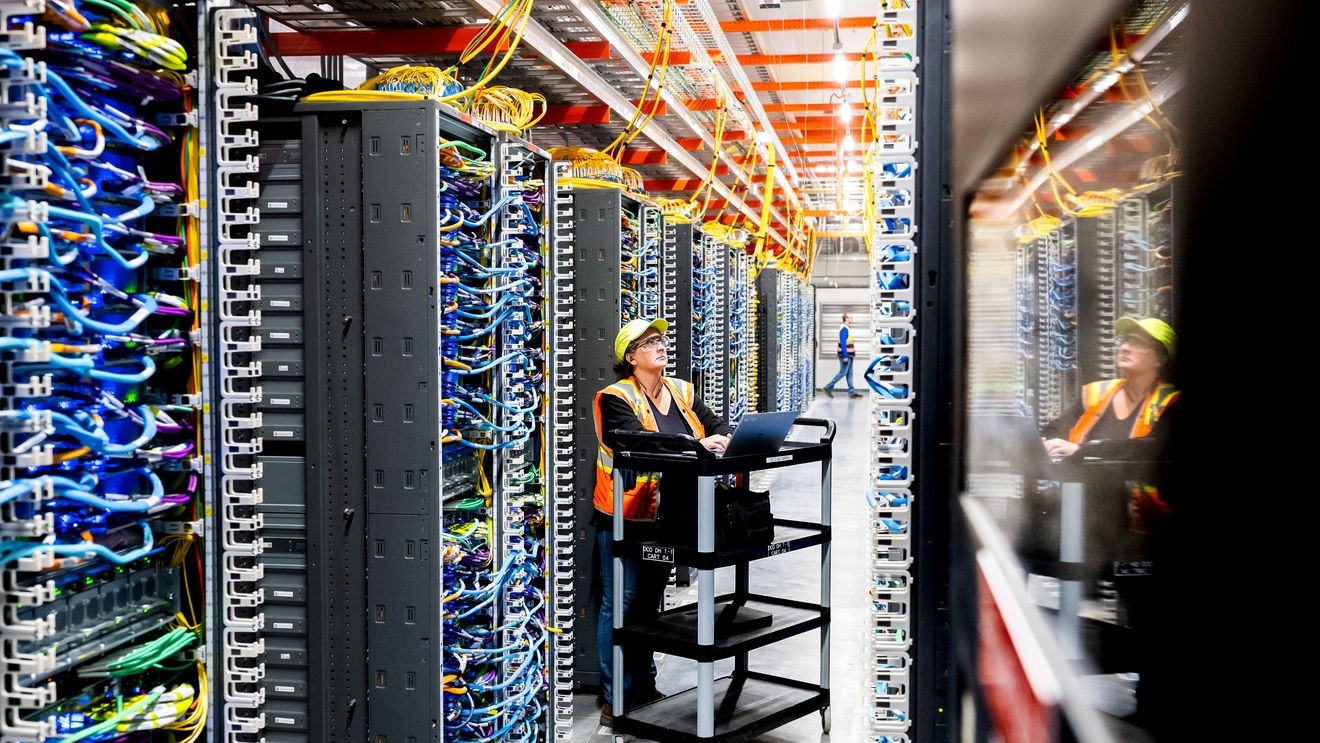
Wright's comments come as electricity demand surges across the country, driven largely by the rapid growth of AI data centers. The administration is also watching rising tensions in the Middle East, which could threaten oil supplies passing through the Strait of Hormuz.
Wright Frames AI as a National Security Priority
Wright made clear that winning the AI race with China is not just a tech issue — it is a national security issue. "We must win this race," Wright said, according to WPDE. He argued that falling behind China on AI could have serious consequences for American power and influence around the world.
The Energy Department's strategy has three main parts: boost U.S. energy production, build more data centers, and keep consumer electricity bills from rising. Wright believes the U.S. can do all three at once. Critics, including some lawmakers, have warned that certain recent policy moves could actually hurt America's position in the AI race.
Middle East Tensions Put Oil Shipping Routes at Risk
The Strait of Hormuz is one of the world's most important oil shipping lanes. A large share of global crude oil passes through it every day. Wright said the U.S. is focused on keeping those routes open as tensions in the region continue to rise, according to Fox San Antonio.
Wright also revealed that discussions are underway about how the U.S. could be paid back for the cost of protecting maritime traffic in the region. No deal has been announced yet, but the talks signal that the administration sees energy security and military presence as linked, according to News3LV.
Data Centers Under Fire Over Power and Water Use
Activist groups are planning protests against new AI data centers. Their concerns center on rising electricity consumption, heavy water usage for cooling, and broader environmental damage. Some communities near planned data center sites say they were not consulted before construction began, according to WGME.
Wright pushed back on those concerns. He said data centers are not the main driver of rising electricity bills for everyday Americans. He pointed to the administration's "Ratepayer Protection Pledge" — a voluntary commitment by energy companies to prevent data center growth from raising consumer costs — as evidence the government is watching out for households, according to Local 12.
Administration Bets Big on Energy Expansion to Power AI
To meet soaring demand from AI infrastructure, the administration wants to significantly grow U.S. energy output. Wright has not named a specific production target, but the push includes fossil fuels, nuclear power, and other sources, according to Coastal ABC.
The underlying message from Wright is simple: more energy means more data centers, more data centers means more AI power, and more AI power means a better chance of staying ahead of China. Whether the "Ratepayer Protection Pledge" is enough to shield consumers from higher bills as that build-out accelerates remains an open question, according to Bakersfield Now.
Sentiment
NeutralNEGATIVENEUTRALPOSITIVE
Publishers
13
Articles
12
Reach
13
Topics
A
AnonymousAuthor