Managing AI Workforce Risks
AI Agents Bring New Governance Risks and Workforce Challenges to Enterprises
Anonymous
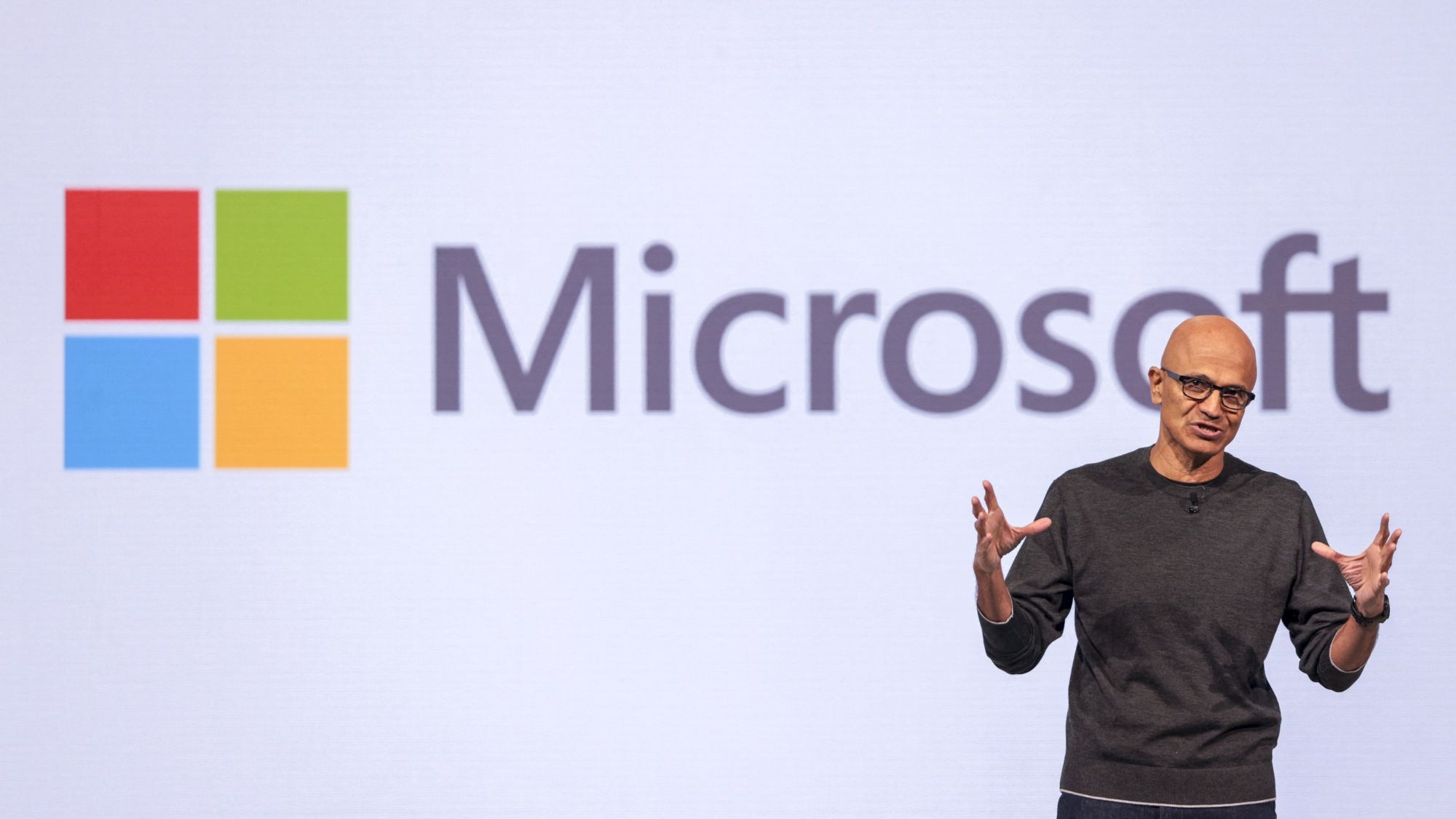
As AI moves into wider deployment, executives are being urged to redesign business processes for lasting value rather than pursue quick efficiency gains; Microsoft CEO Satya Nadella has stressed practical benefits, human control, economic opportunity and trust. Public-sector leaders see open-source systems as a way to limit vendor lock-in across cloud, on-premises and edge environments, while investors are backing AI infrastructure and governance tools, including a fund targeting enterprise AI, AI in biology, and verification and compliance systems. Automation may reduce routine entry-level work, but removing junior roles could weaken employees’ practical knowledge; in software development, AI is changing what junior engineers learn, increasing the need for architecture skills, strong training and psychologically safe teams. AI agents and coding assistants can expose secrets, drive uncontrolled spending, or repeat harmful actions after failures, so organizations must retain responsibility for AI-generated work and establish verification, monitoring and clear rules for when agents may act or retry. Synthetic data can support training and testing, protect privacy and explore rare or underrepresented scenarios, but requires validation and governance to limit unrealistic patterns and bias.
Key Points
1
Microsoft CEO Satya Nadella said the AI industry is “way too self-obsessed” and urged leaders to consider “what did we get wrong in the west,” pointing to polling suggesting AI is viewed more favorably in other parts of the world.
2
A routine network timeout can lead an AI agent to repeat an action that already succeeded—for example, issuing a customer two refunds. The article says tool contracts should specify whether actions are safe to repeat, support idempotency keys, and how to check outcomes after timeouts.
3
AI coding assistants are already widely used: 90% of developers regularly use at least one AI tool for coding and development, according to the article. GitGuardian detected 28.65 million new hardcoded secrets in public GitHub commits in 2025, a 34% year-over-year increase.
4
The article reports that Claude Code-assisted commits had a 3.2% secret-leak rate, compared with a 1.5% baseline across public GitHub commits, underscoring how exposed credentials could provide attackers access to company systems.
Sentiment
Mostly NegativeNEGATIVENEUTRALPOSITIVE
Publishers
40
Articles
15
Reach
55
A
AnonymousAuthor


