Classic Rock Stories
New music retrospectives explore the hidden stories, secret cameos, and dream origins of classic rock songs.
Anonymous
Key Points
1
Link Wray’s instrumental “Rumble” is recognizable to many listeners from its prominent use in the 1994 film *Pulp Fiction*, adding to the song’s lasting cultural impact beyond its role in early surf rock.
2
Hole’s “Asking for It” includes uncredited background vocals from Kurt Cobain, whose marriage to Courtney Love helped facilitate his contribution to the band’s 1994 album *Live Through This*.
3
“Pale Blue Eyes” was not released as a single, yet Paste ranked it No. 12 on its list of the 100 greatest songs of the 1960s; critic Sam Rosenberg praised its droning production and called it “one of the saddest love songs ever recorded.”
4
Eric Clapton wrote “Tears in Heaven” after the death of his four-year-old son, Conor, who fell from a window of Clapton’s 53rd-floor New York City apartment.
5
Roy Orbison reportedly dreamed “In Dreams,” woke believing it might be an Elvis Presley song, and then wrote it in roughly 20 minutes; Keith Richards similarly recorded the guitar riff for “(I Can’t Get No) Satisfaction” while half-asleep, later forgetting that he had made the recording.
Classic rock retrospectives are diving deep into the stories behind some of the genre's most enduring songs. From surf-rock instrumentals to heartbreak anthems, these deep dives explore how dreams, tragedy, and hidden collaborations shaped rock history.
Notable pieces highlight uncredited guest appearances by Kurt Cobain and Flea, trace how 1950s guitar riffs became cultural touchstones, and reveal which chart-topping songs actually came to artists while they were sleeping.
Early Surf Rock Built on Breezy Guitar Riffs
The late 1950s saw Link Wray, The Champs, and Duane Eddy pioneering the surf-rock sound with guitar-driven instrumentals. Tri-City Herald notes that Link Wray's "Rumble" became especially recognizable after appearing in the 1994 film *Pulp Fiction*, cementing the song's place beyond its role in early rock history.
Hidden Guest Vocals on Major 1990s Albums
Kurt Cobain provided uncredited background vocals on Hole's "Asking for It" from their 1994 album *Live Through This*. Bellingham Herald reports that Cobain's marriage to Courtney Love, Hole's frontwoman, facilitated the collaboration. Similarly, Flea and Dave Navarro appeared uncredited on Alanis Morissette's "You Oughta Know," while John Popper contributed to Dave Matthews Band's "What Would You Say."
Songs Born From Dreams and Tragedy
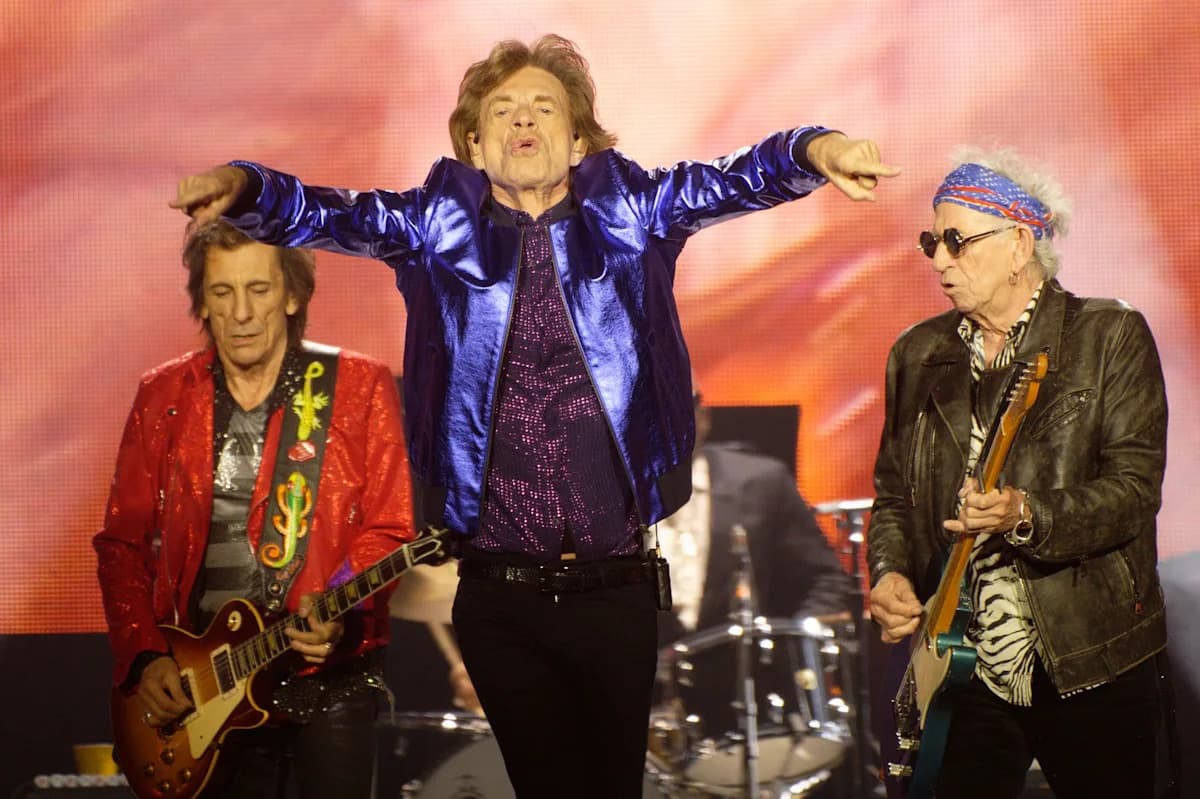
Roy Orbison reportedly dreamed "In Dreams," woke thinking it was an Elvis Presley song, then wrote it in about 20 minutes. Kansas.com notes that Keith Richards similarly recorded the guitar riff for the Rolling Stones' "(I Can't Get No) Satisfaction" while half-asleep, later forgetting he had made the recording at all.
Eric Clapton wrote "Tears in Heaven" after his four-year-old son Conor fell from a window of Clapton's 53rd-floor New York City apartment. Parade highlights this tragedy as the song's emotional core, making it one of rock's most devastating personal ballads.
Heartbreak Ballads That Defined Multiple Generations
Harry Chapin's "Cat's in the Cradle," Rod Stewart's "The First Cut Is the Deepest," and Harry Nilsson's "Without You" all became classics by exploring deep melancholy and regret. Fresno Bee reports that the Velvet Underground's "Pale Blue Eyes"—never released as a single—was ranked No. 12 by Paste on its list of the greatest songs of the 1960s. Critic Sam Rosenberg praised its "droning production" and called it "one of the saddest love songs ever recorded."
Sentiment
Mostly NegativeNEGATIVENEUTRALPOSITIVE
Publishers
16
Articles
39
Reach
55
Topics
A
AnonymousAuthor