Sri Lanka Rates Steady
Sri Lanka Central Bank Holds Rate Steady in July 2026 Citing High Inflation, Global Uncertainty.
Anonymous
Key Points
1
Inflation expectations remain well-anchored around the target in the medium term, even as June's 6.8% inflation shows near-term pressures.
2
External sector pressure has eased somewhat due to the Middle East crisis, but renewed tensions keep the outlook uncertain; the external current account has run a deficit since April 2026 as higher fuel costs widen the trade gap and tourism earnings lag.
3
Global commodity prices, particularly crude oil, have risen amid renewed Middle East tensions, with potential spillovers to Sri Lanka’s economy through higher import costs and pricing pressures.
4
The Bar Association of Sri Lanka raised concerns about extending the retirement age for Supreme Court judges, citing risks to judicial independence and noting vacancies in the top courts; no formal government responses have been received yet.
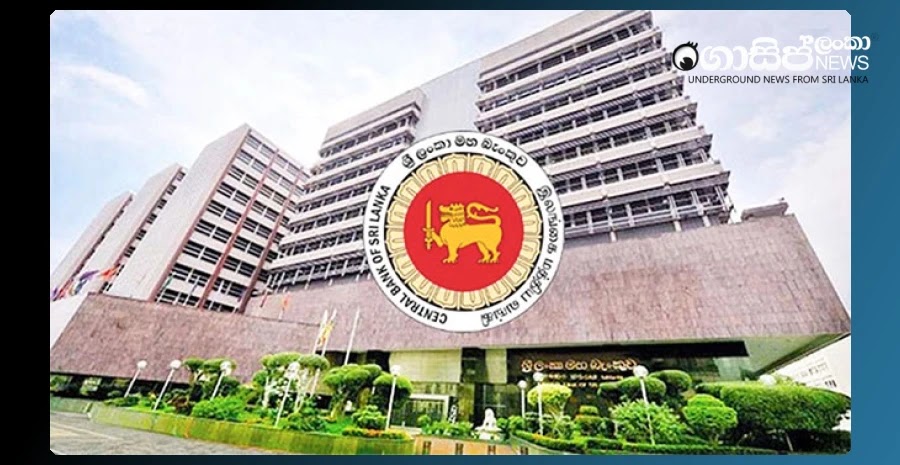
Sri Lanka's Central Bank held its Overnight Policy Rate steady at 8.75% at its July 2026 meeting, citing stubbornly high inflation and mounting global uncertainty Central Bank of Sri Lanka. Inflation climbed to 6.8% in June, pushed up by rising energy and food prices — well above the bank's 5% target.
TradingView reported that the central bank expects headline inflation to remain above target in the near term before gradually easing back toward 5%. Officials say inflation expectations remain well-anchored over the medium term, even as short-term pressures persist.
Why the Bank Chose to Hold Rates Firm
The decision came after a thorough review of domestic and global conditions Gossip Lanka News. Both headline and core inflation — that is, prices with food and energy stripped out — have been lifted by supply shocks and stronger consumer demand. The bank's May 2026 rate tightening is still working its way through the economy and is expected to slow credit growth in the months ahead.
Officials see no need to move rates right now. Cutting too soon could fan inflation further. Hiking again could choke off a fragile recovery. Holding at 8.75% buys time for earlier policy actions to take effect Central Bank of Sri Lanka.
Renewed Middle East Tensions Drive Up Fuel Costs
Renewed conflict in the Middle East has pushed global crude oil prices higher. That has direct consequences for Sri Lanka, which imports most of its fuel. Higher fuel costs have widened the country's trade deficit and slowed the recovery in tourism earnings TradingView.
Sri Lanka's external current account — the broadest measure of trade and income flows with the rest of the world — has run a deficit every month since April 2026. The higher import bill is the main driver. Officials expect imports, including motor vehicles, to fall as recent policy measures kick in and ease the pressure Central Bank of Sri Lanka.
Reserves Hold Steady as Rupee Stays Relatively Calm
Despite the external pressures, Sri Lanka's gross official reserves stood at roughly USD 6.45 billion at the end of June 2026 Central Bank of Sri Lanka. That is a meaningful buffer. Remittances from Sri Lankans working abroad have remained strong and helped offset some of the trade shortfall.
The Sri Lankan rupee has shown some stability, supported by central bank policy actions Gossip Lanka News. A calmer currency reduces the risk of imported inflation — where a weaker rupee makes foreign goods more expensive. Officials are watching global oil markets closely, as any further spike could quickly change the picture.
Judicial Independence Debate Adds to Policy Backdrop
Away from monetary policy, the Bar Association of Sri Lanka raised fresh concerns this week. It warned that extending the retirement age for Supreme Court judges could harm judicial independence Central Bank of Sri Lanka. The association also flagged existing vacancies in the top courts. No formal government response has been issued yet.
The debate adds to an already complex backdrop for policymakers. Investor and public confidence depends on strong institutions — including an independent judiciary. Any perception of political interference in the courts could weigh on sentiment at a time when Sri Lanka is still rebuilding trust after its 2022 economic crisis.
Sentiment
Mostly NegativeNEGATIVENEUTRALPOSITIVE
Publishers
10
Articles
9
Reach
19
A
AnonymousAuthor


