Rising Debt, Growing Risks
National Debt Reaches $40 Trillion as Debates Over Fiscal Policy and Inflation Intensify
Key Points
Levin notes that the administration’s bid to boost energy production and reverse Biden-era policies, alongside targeted tax and regulatory cuts, fits into a broader Washington trend linked to rising debt.
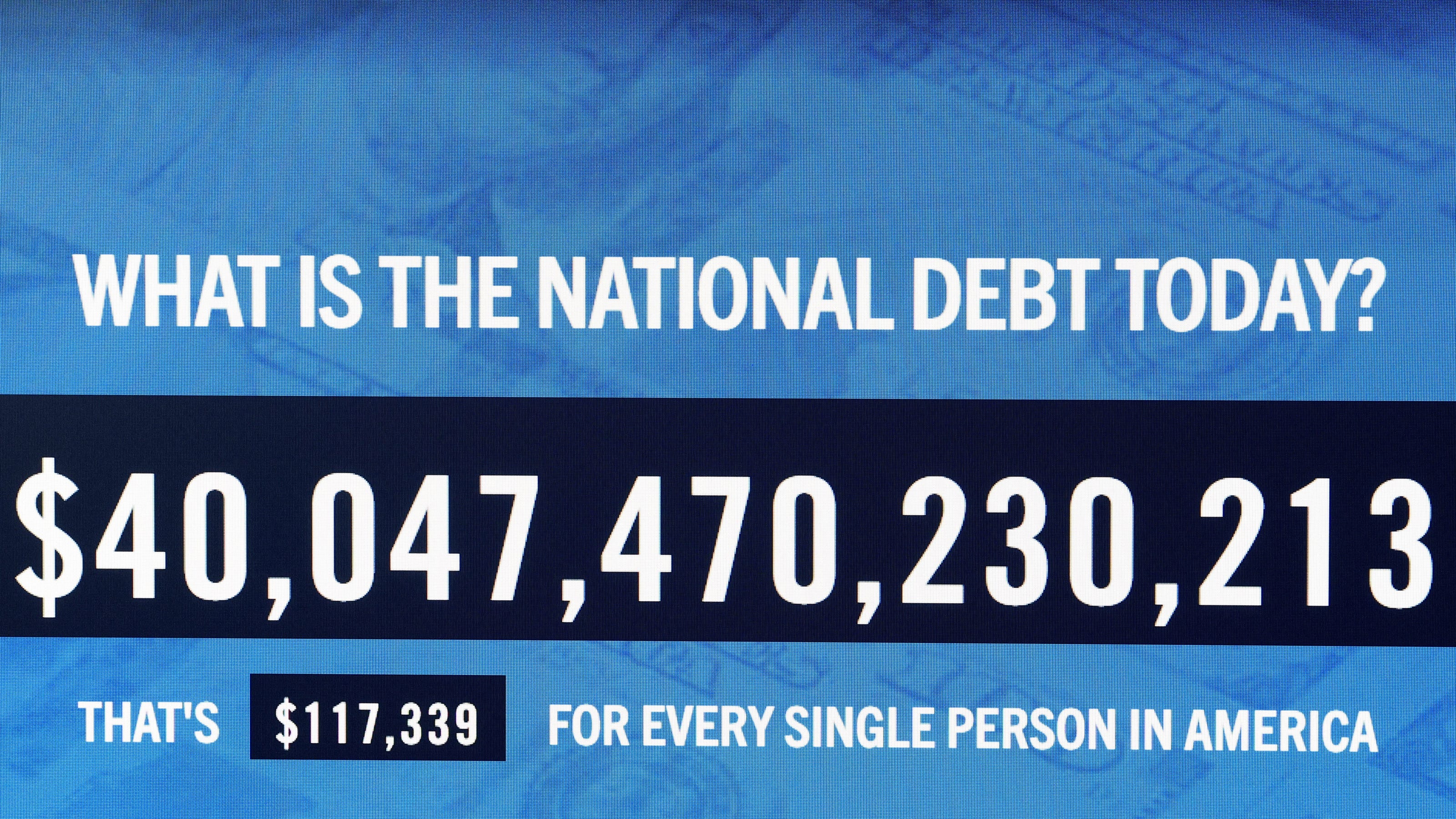
A historical debt trajectory is highlighted: Obama left office with about $19.95 trillion in debt, President Trump has borrowed more than all prior presidents combined, and the current debt stands near $40 trillion.
Inflation is framed as a policy tool and described as a 'sneaky tax' that transfers wealth from citizens to the state, underscoring concerns about how debt could be managed through higher prices.
JP Cortez of the Sound Money Defense League argues that gold and silver should play a larger role as money, with individuals free to use precious metals without new taxes or regulations, and notes some states are considering physical gold for their balance sheets.
Australian Prime Minister Anthony Albanese faced criticism for appearing on a podcast with a melon joke about Japan’s Prime Minister Sanae Takaichi, which he described as an 'error' though he did not offer a formal apology.
The U.S. national debt has surpassed $40 trillion for the first time, doubling in less than a decade and triggering warnings about fiscal instability CBS News. Interest payments alone now exceed $1 trillion annually, straining the federal budget and sparking fierce bipartisan debate over spending, taxation, and long-term economic policy Detroit Free Press.
The debt surge reflects decades of policy choices across multiple administrations. Southeast Daily reports that both parties bear responsibility for 77% of the $40 trillion total, with spending spikes during the COVID-19 pandemic and ongoing military and domestic programs driving growth.
How the Debt Doubled in Less Than Ten Years
The debt trajectory tells a stark story. President Obama left office with approximately $19.95 trillion in debt. Under subsequent administrations, including major spending during the COVID-19 pandemic, the number nearly doubled Detroit Free Press. Tulsa World confirms the debt recently crossed the $40 trillion threshold, marking a critical milestone that economists warn could destabilize the economy.
Spending decisions made years ago continue to compound today. Tax cuts, pandemic relief programs, and ongoing government operations created deficits that required borrowing. The cumulative effect shows how policy choices made across administrations create long-lasting fiscal consequences.
Inflation as a Hidden Tax on Savings
High debt levels force governments to print money, which fuels inflation. This inflation functions as a hidden tax that erodes the value of citizens' savings and paychecks. Money that cost $100 last year buys less today. Analysts argue this wealth transfer—from ordinary people to the government—represents an unfair way to manage debt without raising taxes directly.
The concern deepens as the government pays $1 trillion annually in interest alone. Rising debt and ongoing money creation could push inflation higher, making basic goods more expensive. Some economists worry this cycle could eventually trigger a currency crisis if left unchecked.
Arguments for Gold and Sound Money Alternatives
As debt climbs, advocates like JP Cortez of the Sound Money Defense League argue for a larger role for gold and silver. They contend that precious metals protect citizens from inflation and government debasement of currency. Some states are exploring whether to hold physical gold on their balance sheets as a hedge.
Proponents say individuals should be free to use gold and silver without new taxes or regulations. This approach reflects growing skepticism about paper currency backed only by government promise. The idea gained traction as inflation concerns mount alongside rising debt levels.
Both Parties Share Blame for Mounting Deficits
Economists stress that the $40 trillion debt did not result from one party's policies alone. Southeast Daily reports that both Republicans and Democrats contributed to 77% of the total debt through spending decisions spanning decades. Bush-era policies, Trump-era tax cuts, and Biden-era pandemic spending all added to the total.
To prevent a fiscal crisis, Washington Examiner warns that future administrations will need major gains from inflation, tax increases, or spending cuts. Without action, interest costs will continue consuming more of the federal budget, leaving less for defense, infrastructure, and social programs.
Sentiment
Mostly NegativePublishers
9
Articles
16
Reach
25