Gloucester Water Mandate
Virginia's Gloucester Implements New Water Sustainability Code for Large Developments
Anonymous
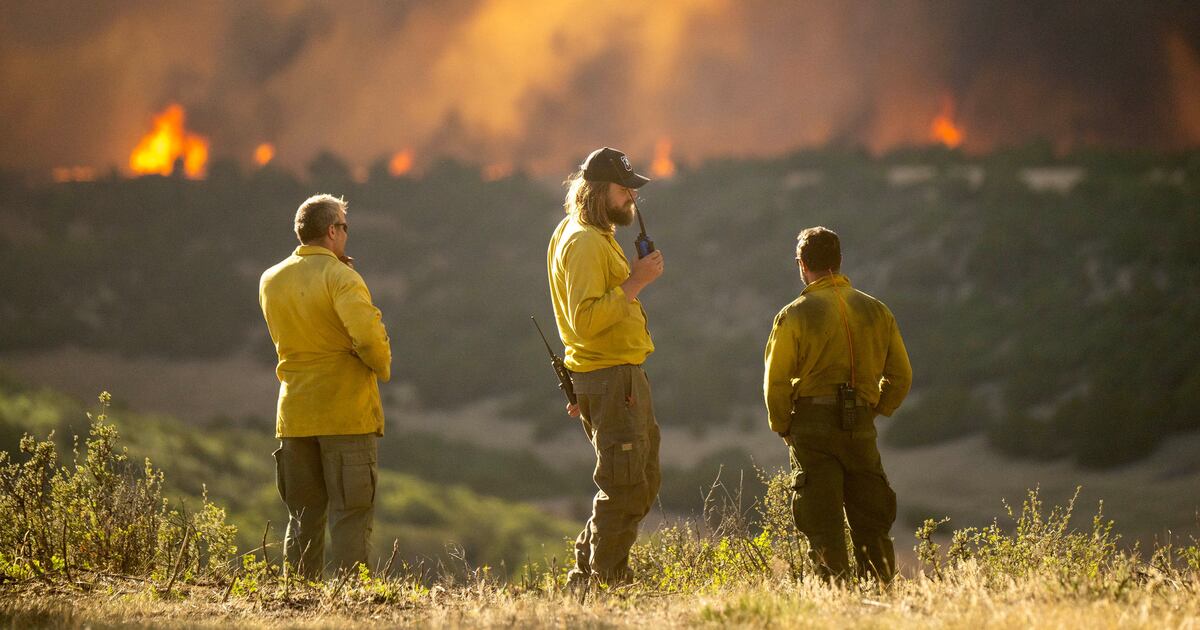
A busy wildfire season is pushing US fire managers to their limits as they scramble to move crews and equipment where they are needed most. Several people have died this year, and large amounts of property have been destroyed, according to MyNorthwest and WSB-TV.
The U.S. Wildland Fire Service has made pre-positioning resources a top priority — placing firefighting crews and gear in high-risk areas before fires break out. The goal is to stop wildfires before they grow out of control, Durango Herald reported.
Deaths and Destruction Mark a Difficult Fire Year
This year has been one of the hardest on record for wildfire crews. Hundreds of firefighters have been deployed across the country, according to Tri-City Record. Several deaths have been tied directly to wildfire activity, and property losses have been significant.
WSB-TV reported that the scale of destruction has forced fire bosses to make hard choices about where to send limited resources. With multiple large fires burning at once, no region can get everything it needs.
Pre-Positioning Strategy Aims to Get Ahead of Flames
Rather than waiting for fires to grow, the U.S. Wildland Fire Service is placing crews and equipment in danger zones ahead of time. This pre-positioning strategy is meant to cut response times when a fire ignites, according to MyNorthwest.
Durango Herald noted that the approach requires careful planning. Fire managers must predict where fires are most likely to start based on heat, drought, and wind conditions. Getting that call wrong can leave one region short of help while another region burns.
Juggling Resources Across Multiple Fronts at Once
One of the biggest challenges this season has been managing several major fires at the same time. When crews move to one fire, they leave another area with less protection. Tri-City Record reported that fire bosses have had to constantly shift people and equipment to keep up.
Aircraft, ground crews, and heavy equipment are all in short supply when fires peak at the same time. MyNorthwest reported that coordination between federal, state, and local agencies has been critical this season to avoid dangerous gaps in coverage.
What Comes Next as Fire Season Continues
Fire managers say the season is not over. Dry and hot conditions in many parts of the country mean more large fires are possible in the weeks ahead. WSB-TV reported that crews remain on high alert across multiple regions.
The pressure on the Wildland Fire Service is likely to grow if conditions do not improve. Experts say the combination of drought, heat, and strong winds creates what firefighters call a perfect storm for rapid fire spread. Durango Herald noted that resource management will remain the key challenge for the rest of the season.
Sentiment
NeutralNEGATIVENEUTRALPOSITIVE
Publishers
5
Articles
5
Reach
5
Topics
A
AnonymousAuthor