Netanyahu-Trump Summit
Netanyahu and Trump Plan US Meeting at UN Amid Iran Tensions; Office Rejects Report.
Anonymous
Key Points
1
Netanyahu's office said the meeting with President Trump is planned to take place on the sidelines of the United Nations General Assembly in New York in September.
2
The Prime Minister's Office rejected the New York Times report about Israel planning to assassinate Iranian officials during negotiations, calling the story 'fake news' and 'a total distortion of reality.'
3
Netanyahu publicly emphasized the US role, stating, 'The US is what ensures the freedom of the world, and Israel greatly appreciates the tight bond between the nations.'
4
Separately, U.S. domestic politics around reconciliation could affect the timing of the talks, with reports that the first procedural vote on the reconciliation package is likely soon and could trigger a lengthy debate (including a 'vote-a-rama'), while details show specific budget allocations such as approximately $13B for CBP, $31B for ICE, and $2.5B extra for DHS.
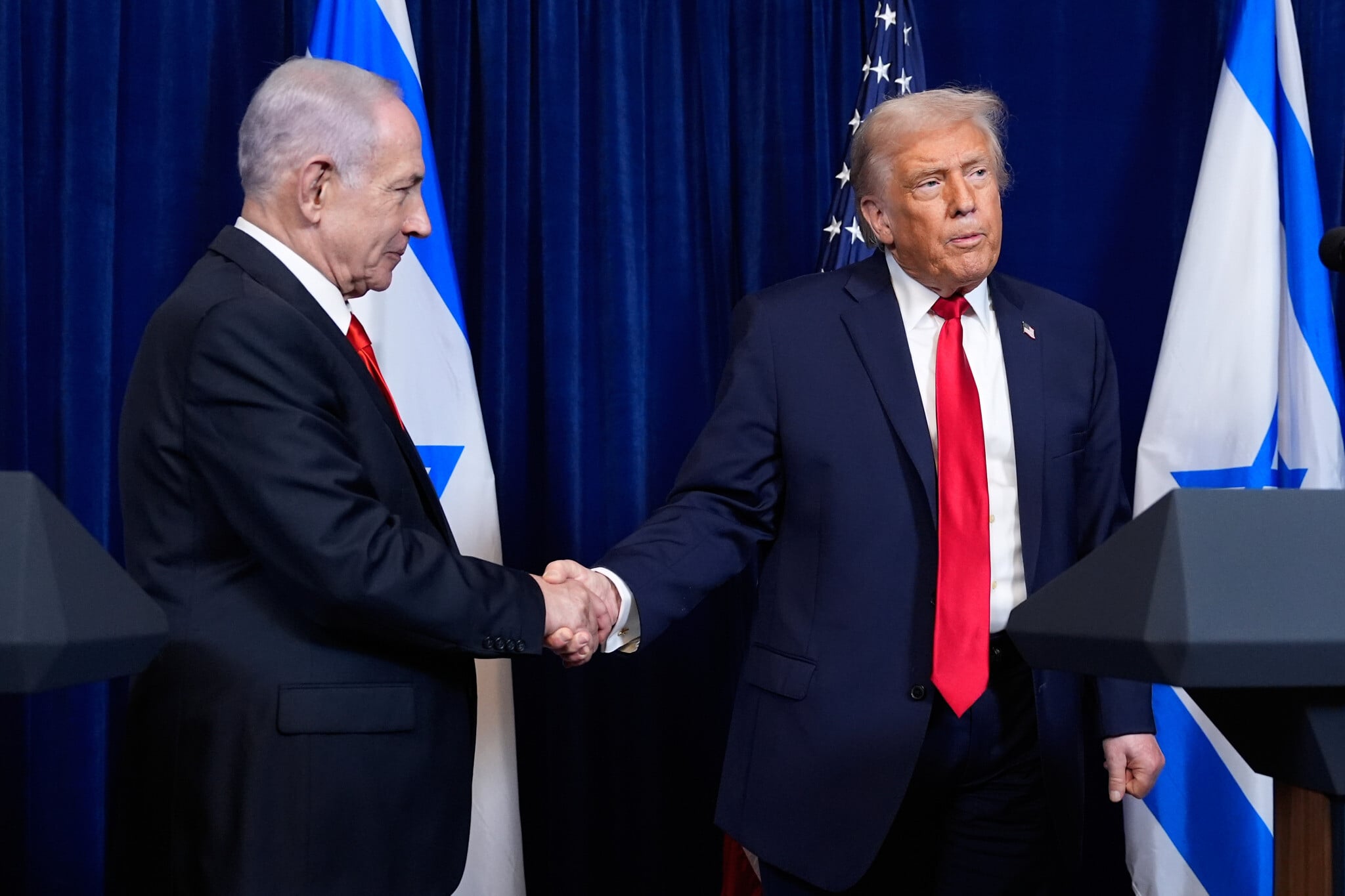
Israeli Prime Minister Benjamin Netanyahu and President Donald Trump have agreed to meet in the United States in the coming weeks, their offices confirmed after a phone call. Times of Israel reported the two leaders spoke to mark America's 250th birthday, with both sides confirming a face-to-face meeting is planned soon.
The planned summit comes at a tense moment. Talks over Iran's nuclear program are ongoing, and the two governments have shown signs of friction over how to handle them. Ynet News reported the meeting was agreed to amid heightened tensions following the Iran nuclear deal framework.
UN General Assembly to Host the High-Stakes Meeting
Netanyahu's office said the two leaders plan to meet on the sidelines of the United Nations General Assembly in New York in September. No exact date has been set. The UN General Assembly is a major annual gathering of world leaders, making it a common venue for bilateral talks.
Democrata reported the two governments are preparing for what could be a tense summit. Analysts expect talks to cover Gaza, hostage negotiations, Iran's nuclear program, and broader U.S.-Israel security cooperation. All of these issues are deeply connected and unlikely to be resolved in a single meeting.
Israel Rejects Report of Plot to Kill Iranian Officials
Netanyahu's office pushed back hard against a New York Times report this week. The report claimed Israel was planning to assassinate Iranian officials during ongoing nuclear negotiations. The Prime Minister's Office called the story "fake news" and "a total distortion of reality."
The denial was sharp and public. The timing matters: any suggestion that Israel might target Iranian officials could derail the nuclear talks and put the U.S. in a difficult position. Washington is currently engaged in multiple rounds of diplomacy with Tehran over its nuclear program.
Netanyahu Praises US Ties as Iran Pressure Mounts
On the call, Netanyahu used strong language to underscore the alliance. He said, "The US is what ensures the freedom of the world, and Israel greatly appreciates the tight bond between the nations." The statement came as both countries face pressure to coordinate their approach to Iran.
Ynet News noted the meeting was agreed to amid tensions tied to the Iran deal framework. Israel has long opposed any nuclear agreement that it believes leaves Iran too close to building a weapon. The upcoming summit will likely test how much daylight exists between the two leaders on that question.
US Budget Fight Could Complicate Summit Timing
Back in Washington, a major domestic budget vote is looming. The first procedural vote on the reconciliation package is expected soon. If it passes, it could trigger a lengthy debate process known as a "vote-a-rama," where senators vote on dozens of amendments in a row.
The budget bill includes roughly $13 billion for Customs and Border Protection, $31 billion for ICE, and $2.5 billion in extra funding for the Department of Homeland Security. Congressional leaders will need to manage that process while also preparing for a high-profile diplomatic moment with one of America's closest allies.
Sentiment
Mostly NegativeNEGATIVENEUTRALPOSITIVE
Publishers
18
Articles
40
Reach
58
A
AnonymousAuthor


