EU-Armenia Trade Deal
EU Council Approves Two-Year Trade Liberalization for Armenia Amid Russian Restrictions
Anonymous
Key Points
1
The temporary liberalisation includes tariff-rate quotas for selected agricultural products, meaning some goods will see duty suspensions only up to quota limits rather than across the board.
2
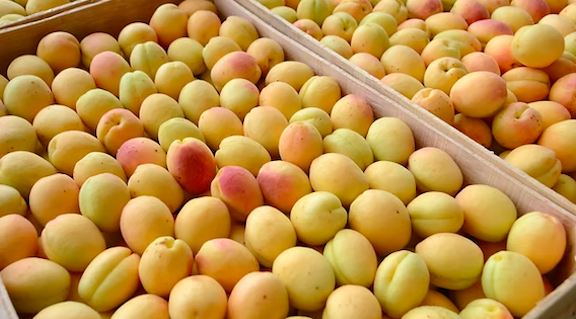
The package is framed to redirect exports that were previously going to Russia, with the two-year regime covering almost 99% of Armenia’s exports of fresh fruit, vegetables and plants and more than 91% of beverages and spirits (previously destined for Russia).
3
Armenia’s Prime Minister Nikol Pashinyan has recalled the Armenian ambassador to Russia amid deteriorating bilateral relations, signaling a broader strategic shift as the country leans more toward the EU.
4
Final steps before the regime comes into effect include approval by the European Parliament in September and publication in the Official Journal of the EU, after which the measure would be activated.
The European Union's Council approved temporary trade liberalization for Armenia on Thursday, suspending import duties on roughly 80% of Armenian exports for two years. Asbarez reported the move comes as Russia has tightened trade restrictions on its neighbor, prompting Armenia to shift economic focus toward Europe.
The package suspends tariffs on agricultural products, fruits, vegetables, plants, and beverages—goods that previously flowed to Russian markets. MLEX noted the EU measures are designed to counterbalance Russian economic pressure while Armenia strengthens ties with Brussels, including alignment with the EU's CEPA partnership agreement.
What Armenia's Exports Get Under the Deal
The temporary regime covers nearly 99% of Armenia's fresh fruit, vegetable, and plant exports, plus more than 91% of beverages and spirits that previously went to Russia. Banks.am reported that tariff-rate quotas apply to some agricultural goods, meaning duty suspensions only extend up to set limits rather than across the board.
The two-year suspension includes safeguard mechanisms. If Armenian exports begin harming EU producers, Brussels can reintroduce duties. All goods must comply with origin rules and administrative cooperation requirements to qualify for duty-free status.
Armenia's Strategic Pivot Away From Moscow
Prime Minister Nikol Pashinyan recalled Armenia's ambassador to Russia this week, signaling a major shift in bilateral relations. Asbarez described the diplomatic move as part of Armenia's broader strategic reorientation toward the EU as Russian economic restrictions tighten.
Armenia's government has pledged to continue strengthening EU ties and alignment with CEPA's democratic and rule-of-law standards. The trade measures offer Armenia new export opportunities at a critical moment, redirecting commerce away from Russia's shrinking market access.
Final Approval Steps and Implementation Timeline
The Council's approval mirrors the European Commission's original proposal with no changes, Asbarez reported. The European Parliament must vote in its September session to finalize the deal, followed by publication in the EU's Official Journal.
Once published, the temporary trade-liberalization regime enters force immediately. EU officials, including Ireland's Helen McEntee, framed the decision as solidarity with Armenia and a response to economic coercion, pledging new opportunities for closer cooperation.
Sentiment
Mostly NegativeNEGATIVENEUTRALPOSITIVE
Publishers
20
Articles
9
Reach
29
A
AnonymousAuthor


