Global Biodiversity Heat Forecast
NASA-backed early warning system forecasts unprecedented heat exposure for thousands of species.
Anonymous
Key Points
1
More than 3,500 vertebrate species are predicted to encounter temperatures beyond anything previously experienced within their ranges through February 2025, using NASA GEOS-S2S forecasts and long-term temperature histories for over 30,000 species.
2
The forecasting approach combines May 2024 NASA GEOS-S2S subseasonal-to-seasonal forecasts with long-term temperature histories, covering more than 30,000 mammals, birds, reptiles and amphibians; the effort is led by Josep M. Serra-Diaz and funded by NASA grants to Merow and Urban.
3
Europe is seeing a heat surge of 10-15C above average with tropical nights, including Madrid overnight lows around 25C and Nantes nights staying well above seasonal norms, underscoring health risks for the elderly and those with preexisting conditions.
4
Typhoon Bavi intensified rapidly, with sustained winds around 178 mph (155 knots) and gusts up to 218 mph, after crossing the Northern Mariana Islands and Guam and making landfall on Rota.
5
Nuclear energy output in Europe has come under pressure as heatwaves and higher river temperatures constrain cooling systems, with Azerbaijan noting a decrease of more than 10% in nuclear production due to these cooling-system constraints.
Scientists have built the first global early warning system that can predict, up to nine months ahead, which animals will face dangerous heat. The system flagged more than 3,500 vertebrate species that could experience temperatures beyond anything in their recorded history through February 2025, according to UConn Today.
The tool uses NASA GEOS-S2S forecasts combined with long-term temperature data for more than 30,000 mammals, birds, reptiles, and amphibians. More than 1,250 of the at-risk species are already listed as vulnerable or endangered, making the stakes especially high.
How the Early Warning System Works
The project was led by Josep M. Serra-Diaz and funded by NASA grants to UConn researchers Mark Urban and Cory Merow. The team fed May 2024 NASA GEOS-S2S subseasonal-to-seasonal forecasts into decades of species temperature histories, according to UConn Today. The result: a map showing where heat will push species into uncharted thermal territory.
The system covers every major group of land vertebrates. It can flag risk windows months before they arrive. That lead time is key — it gives conservationists a chance to act before animals are already in crisis. Previous tools could only react after the fact.
Europe's Third Heatwave of 2024 Strains Health and Power
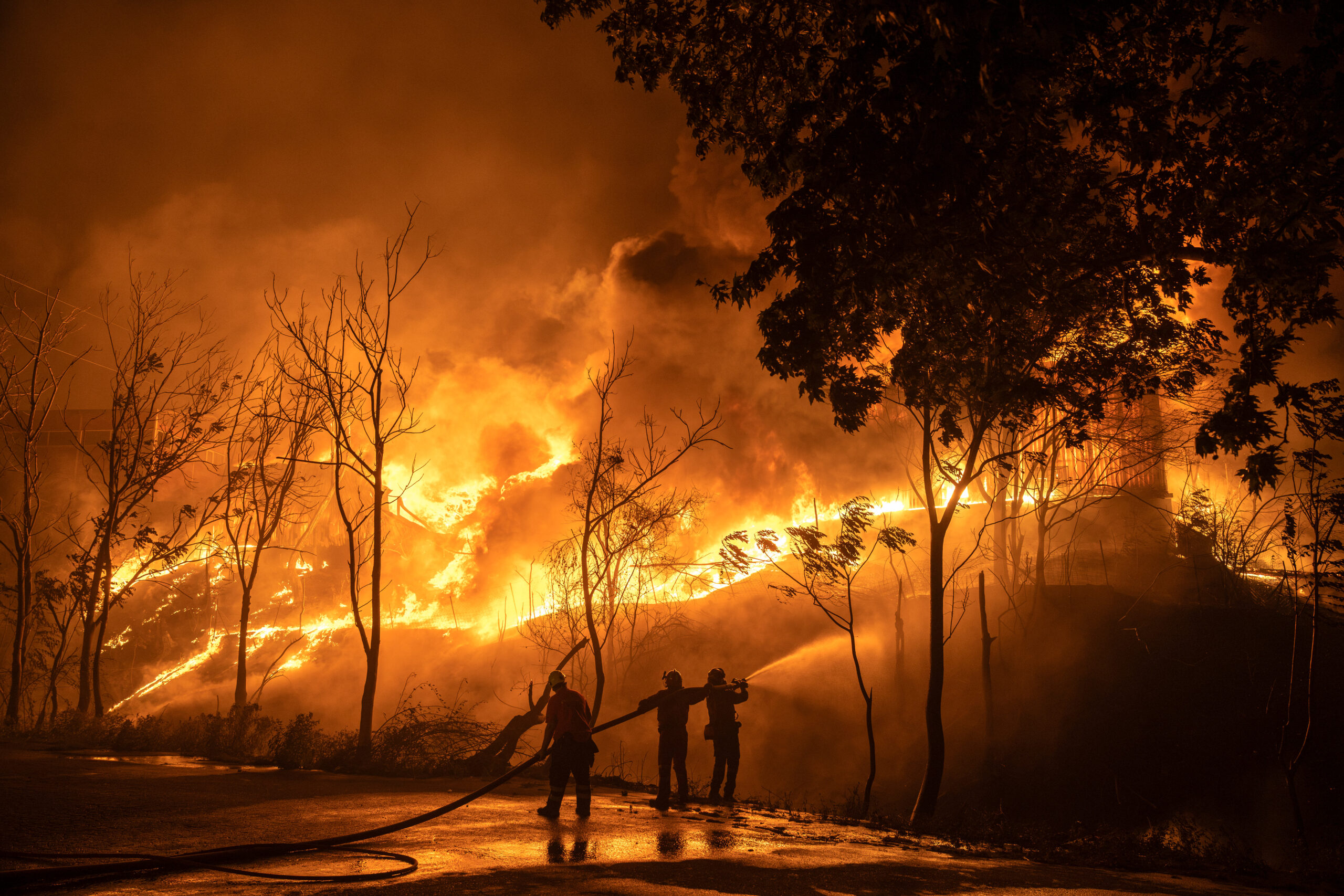
Europe is enduring its third major heat surge of the year. Temperatures are running 10 to 15 degrees Celsius above average across the continent. Madrid is seeing overnight lows around 25°C — what forecasters call tropical nights. Nantes is staying well above seasonal norms after dark. The New York Times reported serious health risks for the elderly and people with preexisting conditions.
The heat is also squeezing power grids. Rivers are warming, which limits how much water nuclear plants can use to cool their reactors. Azerbaijan reported a drop of more than 10% in nuclear energy output due to these cooling constraints, according to Insurance Journal. Wildfire risk is also building across Western Europe as the hot, dry conditions persist.
Typhoon Bavi Highlights Broader Extreme Weather Surge
While Europe bakes, a powerful storm is churning through the northwest Pacific. Typhoon Bavi reached sustained winds of around 178 mph with gusts up to 218 mph. It crossed the Northern Mariana Islands and Guam before making landfall on Rota. The storm is part of a broader pattern of intensifying extreme weather events tied to a warming climate.
Climate Extremes Push Biodiversity and Public Health to the Edge
Climate law experts say Europe's deadly heatwaves should carry legal consequences. Yahoo News reported that legal advocates are pushing for courts to hold governments and polluters accountable for heat-related deaths. Record highs above 40°C have been logged in Germany, France, Hungary, and other countries in recent years.
The new biodiversity warning system shows that wildlife faces the same threat as people. With El Niño driving up global temperatures, the overlap between climate extremes and species at risk is growing fast. Researchers say early warning tools — for both humans and animals — are now essential, not optional.
Sentiment
Mostly NegativeNEGATIVENEUTRALPOSITIVE
Publishers
12
Articles
9
Reach
21
A
AnonymousAuthor


