Global Sukkot Observance
Jews Worldwide Observe Sukkot, Celebrating Harvest, Vulnerability, and Community Unity
Anonymous
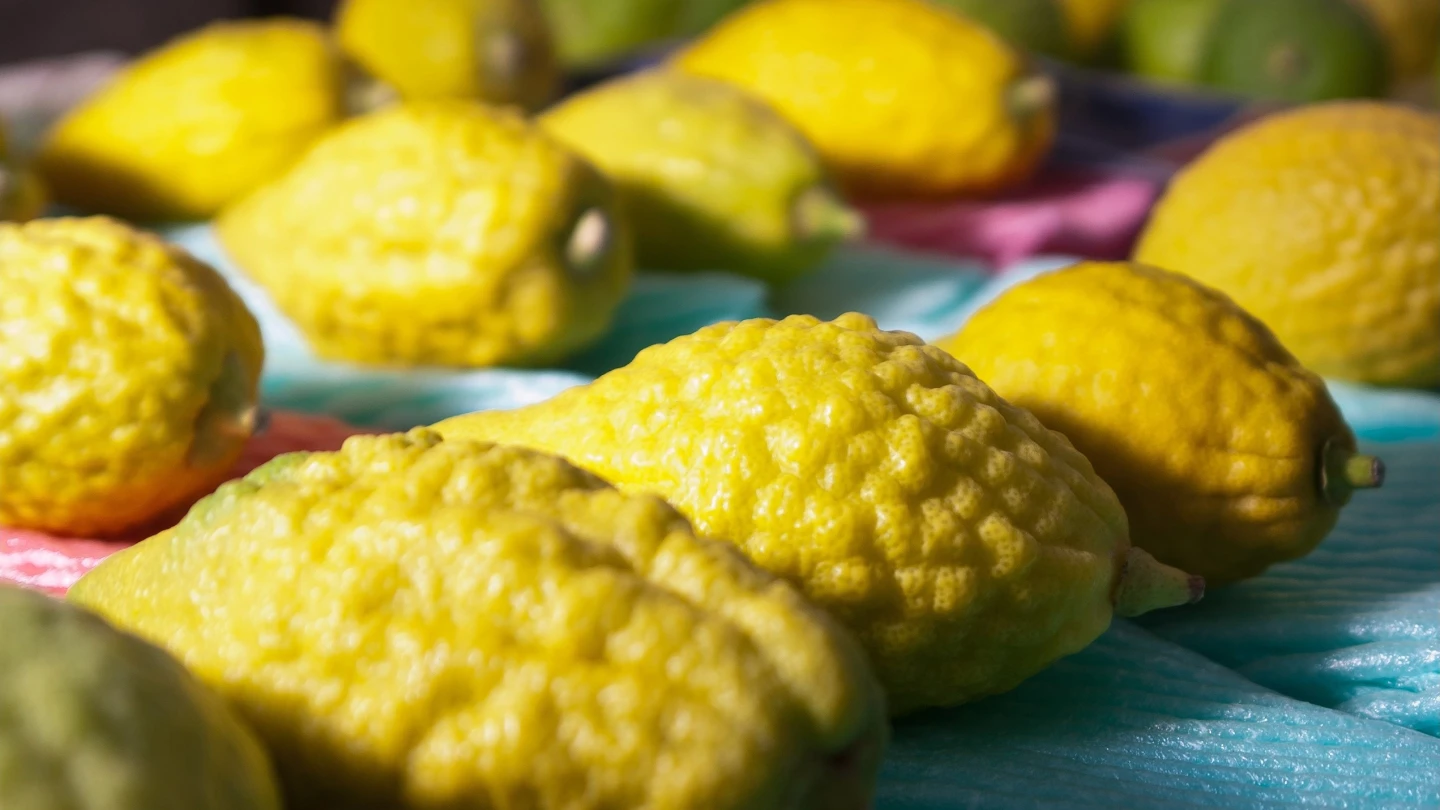
Sukkot, observed in 2026 from Sept. 25 through Oct. 2, invites Jews to spend time in temporary huts, sharing meals, prayers and gatherings beneath roofs of branches. The weeklong festival recalls the Israelites’ wilderness journey and celebrates the harvest, while making vulnerability, gratitude and hospitality part of religious practice. Its sukkah and Four Species also serve as symbols of bringing differences together, a theme reflected in calls to strengthen Jewish unity and in the experience of North American students integrating their backgrounds with life in Israel. In Jerusalem, Orthodox Jewish men marked the holiday with morning prayers near an entrance to the Al-Aqsa Mosque compound.
Key Points
1
One reflection describes Sukkot as a deliberate pause after the intensity of Rosh Hashanah and Yom Kippur: rather than striving to accomplish something in the sukkah, people are invited to dwell there, breathe and regroup before the new year.
2
In 2026, Sunday, September 27, was the second full festival day for Jews in the diaspora, while communities in Israel had already entered Sukkot’s intermediate days.
3
Sukkot is also an agricultural harvest festival and one of Judaism’s three traditional pilgrimage festivals, alongside Passover and Shavuot.
4
Some observant Jews extend time in the sukkah beyond meals, using it to study, socialize or sleep.
5
An article on Jewish unity offers a practical lesson about perceived conflict: it argues that people may continue to assume others resent them even after a slight has passed, and recounts Rabbi Orlovsky’s reading of Joseph’s brothers returning to him with a false claim about Jacob’s final wishes.
Sentiment
Mostly NegativeNEGATIVENEUTRALPOSITIVE
Publishers
16
Articles
4
Reach
20
A
AnonymousAuthor


