NYC Pre-K Special Education
NYC Mayor and Chancellor Announce $67.5 Million Pre-K Special Education Expansion
Anonymous
Key Points
1
The expansion includes 35 new professionals across 10 additional Preschool Regional Assessment Centers, bringing roles such as psychologists, social workers, speech evaluators, and occupational therapists to support evaluations and supports.
2
The Special Education Itinerant Teacher program will grow with an additional 29 therapists and specialists to strengthen services for children attending community-based 3-K and Pre-K programs.
3
CBS News notes the plan will place special education teachers in general preschool classrooms to help students with IEPs learn alongside their peers, expanding inclusive instruction.
4
Chancellor Kamar Samuels highlighted outcomes such as 97% of Nest and Horizon autistic learners graduating high school, and higher attendance for students with intensive communication needs in AIMS when in community schools.
5
The expansion is funded by the Fiscal Year 2027 Executive Budget, totaling $67.5 million to support these changes across 14 districts in all five boroughs.
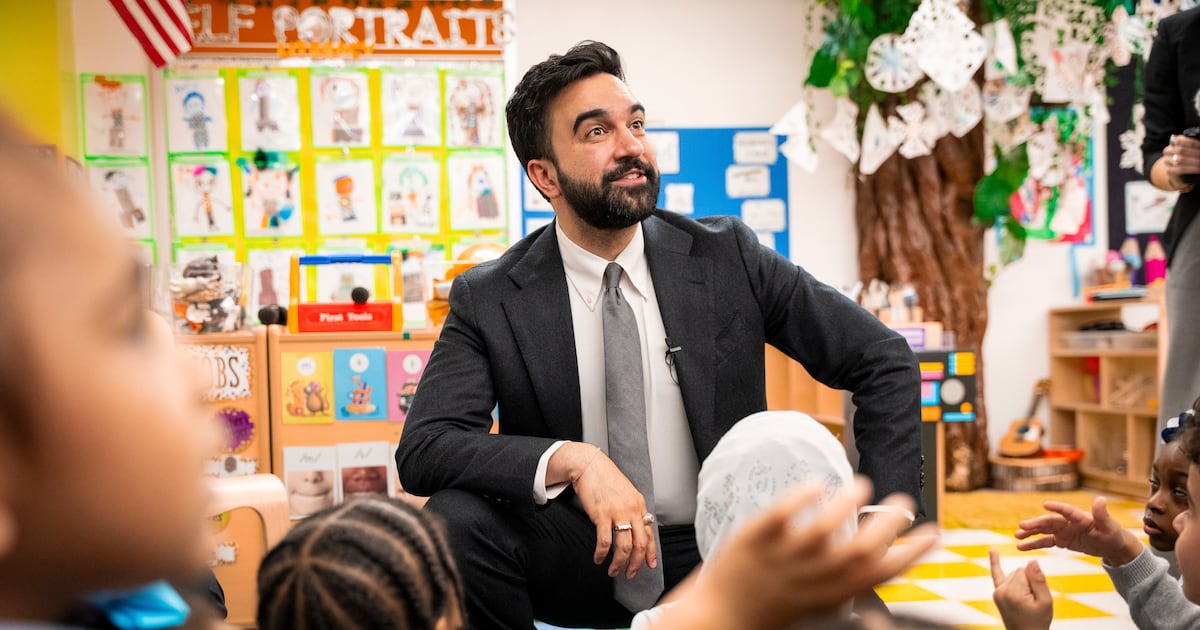
New York City is bringing its most in-demand special education programs into preschool classrooms for the first time, backed by a $67.5 million investment. Mayor Zohran Mamdani and School Chancellor Kamar Samuels announced the expansion will reach 14 districts across all five boroughs starting this fall, according to Chalkbeat.
The plan targets children with autism and other developmental disabilities, offering them services closer to home. Gothamist reports the expansion will serve 250 students with autism and developmental needs through programs previously available only in older grades.
Five Programs Move Into Pre-K Classrooms This Fall
The city is expanding five of its highest-demand special education programs — Nest, Horizon, AIMS, Path, and ACES — into pre-K settings. These programs have long served students in elementary and older grades. This fall marks the first time they will be available to preschoolers, according to The City Reporter.
Chancellor Samuels pointed to strong outcomes as the reason to expand early. He noted that 97% of Nest and Horizon students with autism graduate high school. Students with intensive communication needs in AIMS also show higher attendance when placed in community schools. The goal is to build that foundation earlier, Black Star News reported.
35 New Professionals Hired to Speed Up Evaluations
A key piece of the plan is cutting wait times for special education evaluations. The city will add 35 new professionals across 10 new Preschool Regional Assessment Centers. Those hires include psychologists, social workers, speech evaluators, and occupational therapists, according to Black Star News.
The expansion also adds bilingual testing options, so families who speak languages other than English can get assessments in their home language. Staff will also help families understand and navigate the IEP process. An IEP, or Individualized Education Program, is a legal plan that spells out the support a child with a disability will receive.
Special Ed Teachers Will Enter General Preschool Classrooms
The city is also growing its Special Education Itinerant Teacher program. It will add 29 therapists and specialists to work inside general 3-K and Pre-K classrooms. These teachers support children with IEPs while they learn alongside their peers, Chalkbeat reported.
This model keeps children with disabilities in their community schools instead of sending them to separate programs. CBS News noted that placing special education teachers in general classrooms helps students with IEPs learn side by side with other children, making inclusion part of daily instruction from the very start.
$67.5 Million Signals Mamdani's Push for Universal Pre-K
The funding comes from the Fiscal Year 2027 Executive Budget. The $67.5 million investment is part of Mayor Mamdani's broader push to strengthen universal pre-K across New York City, according to Chalkbeat. The expansion covers all five boroughs and 14 school districts.
City officials say early intervention leads to better long-term outcomes. Getting children the right support before kindergarten can change their entire school experience. The expansion reflects a bet that investing early — in staff, in testing, and in inclusive classrooms — pays off for years to come.
Sentiment
Mostly PositiveNEGATIVENEUTRALPOSITIVE
Publishers
12
Articles
14
Reach
26
Topics
A
AnonymousAuthor