Male Midwives Lead Change
Male midwives are stepping up to fight high pregnancy deaths in Lesotho.
Anonymous
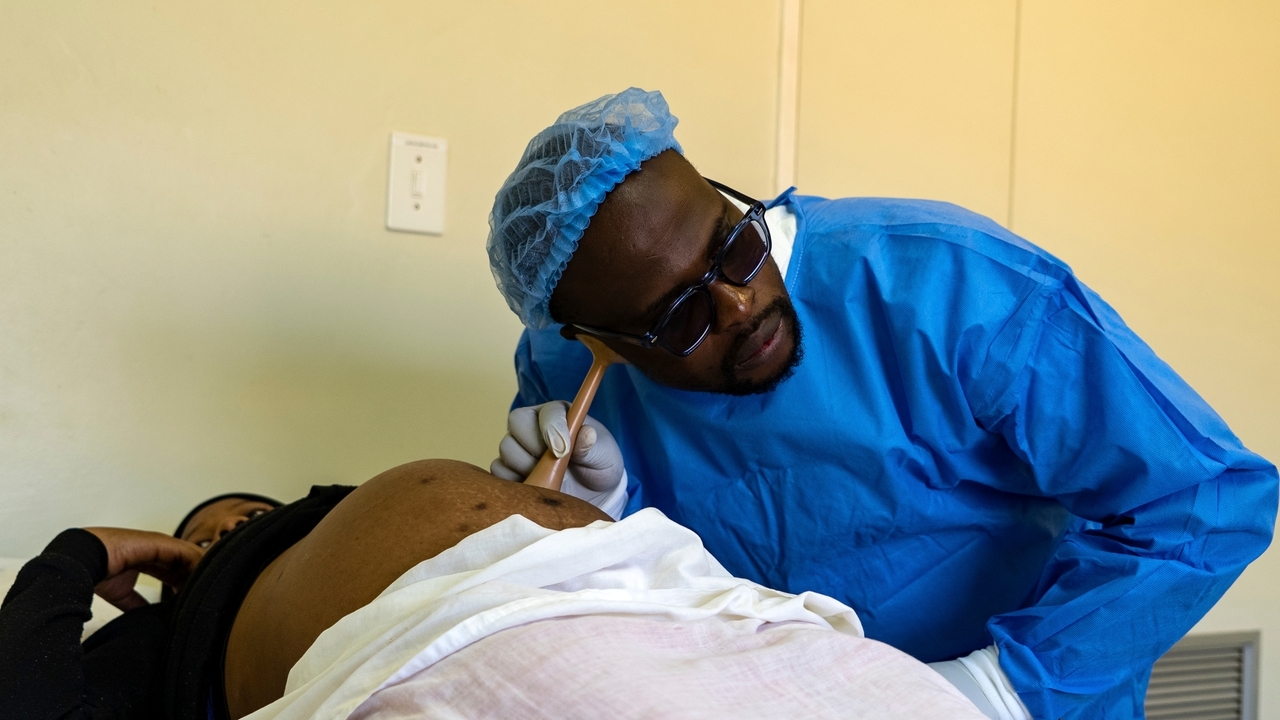
Ntlhane Sehloho is one of about 300 male midwives in Lesotho — a rare role in a profession where men make up less than 1% globally, according to WHO. His work reflects a growing shift across Africa to fight pregnancy deaths, which occur at rates far above the global average of 200 per 100,000 births. After two decades delivering babies, Sehloho is part of a push to train more midwives, male and female, to address critical shortages in childbirth care.
Lesotho has made progress on this front. Following efforts to bring maternal care closer to rural communities, WRAL reports that 92% of births in the country are now attended by a trained health care provider. The southern African kingdom's experience shows how recruiting men into midwifery can help close gaps in maternal health services.
Why Male Midwives Matter in Africa
Pregnancy and childbirth remain dangerous across Africa, where maternal mortality far exceeds wealthy nations. WRAL notes that Lesotho struggled with high death rates until it prioritized training midwives and placing them in rural areas. More hands — male and female — mean more mothers can access care when they give birth.
Men bring a unique perspective to midwifery. In some African communities, male midwives can help bridge cultural gaps and serve families more effectively. WHO and UNICEF have both called for expanding the midwifery workforce across gender lines. The shortage is acute: Africa needs hundreds of thousands more trained birth attendants.
Lesotho's Success in Rural Birth Attendance
Two decades ago, many Lesotho women gave birth without a trained person present — a major risk factor for death and injury. WRAL reports that after intentional placement of health workers in remote areas, 92% of births now have a trained attendant. This jump shows what focused investment can achieve.
Sehloho represents the result of this strategy. His presence in communities means mothers no longer travel hours to reach care. Seattle Times notes that the southern African kingdom is seeing more men choose midwifery as a career. This trend could help other African nations replicate Lesotho's gains.
Building a Global Movement for More Midwives
The global shortage of midwives is real. WHO estimates fewer than 1% of the world's midwives are men, yet both organizations push for gender diversity in the profession. Expanding recruitment beyond women could tap new talent pools and reduce care gaps.
Lesotho's model — training local people and placing them in underserved areas — works. WRAL reports the country now has about 300 male midwives among its workforce. As other African nations face similar maternal mortality crises, they are watching Lesotho's playbook closely.
Sentiment
NeutralNEGATIVENEUTRALPOSITIVE
Publishers
5
Articles
5
Reach
5
Topics
A
AnonymousAuthor


