China's Electric Energy Shift
China's Electric Taxis Cushion Oil Shocks, Cutting Imports and Fares
Anonymous
Key Points
1
China's oil imports fell 41% in June year-on-year, illustrating a sharp drop in petrol demand as electric taxis and ride-hailing expand.
2
A Beijing ride-hailing driver named Li said fares had fallen about 10% to 15% over the past six months due to intense competition among drivers.
3
Greenpeace projects that electric taxi and ridesharing mileage could reach about 90% of urban transport by 2035.
4
Social media posts highlight that taking an electric taxi has become cheaper than paying for petrol and parking, reinforcing consumer shifts away from petrol cars.
China's electric taxi boom is giving the world's biggest oil importer a real shield against rising fuel costs. Government data show 3.05 billion taxi and ride-hailing trips in May alone — up about 6% since the Iran conflict began — even as fares keep falling, according to Egyptian Gazette.
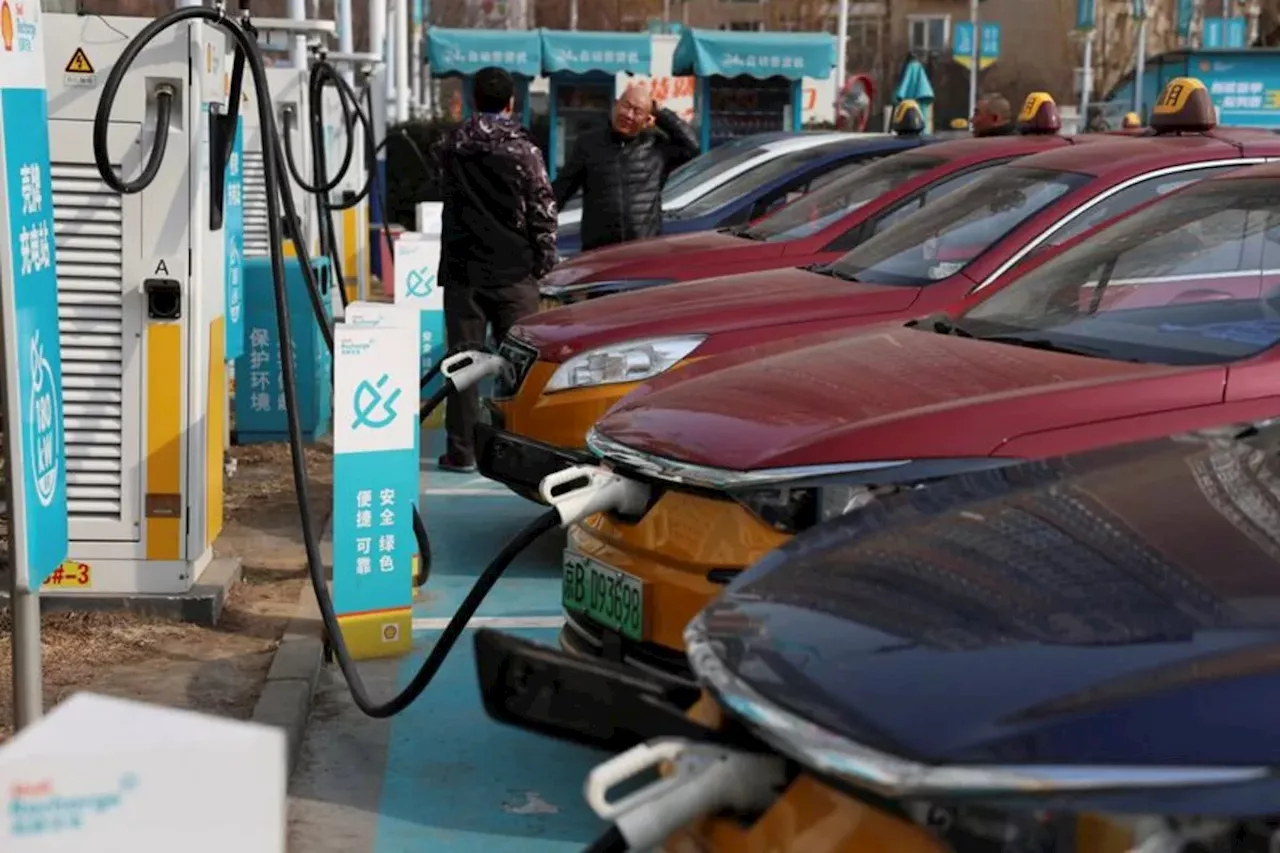
About half of China's 1.3 million taxis are now electric. In major cities, that share nears 100%, according to The Next Web. As oil prices climb due to Strait of Hormuz tensions, more Chinese riders are ditching private petrol cars for cheap electric rides.
Oil Imports Crash as Electric Fleets Take Over
China's crude oil imports fell 41.3% in June compared to a year earlier, hitting 29.27 million tonnes — the lowest monthly total since October 2016, The Next Web reported. That sharp drop reflects how fast electric vehicles are replacing petrol demand on China's roads.
Ride-hailing giant Didi now runs 8 million non-fossil-fuel vehicles on its platform. Those electric cars account for roughly 75% of all miles driven on its network, according to Benzinga. Chinese refiners also largely stopped buying Middle Eastern crude during the Iran conflict, leaving more Gulf oil available to Europe and India.
Falling Fares Drive Riders Away From Petrol Cars
Competition among drivers is pushing ride-hailing prices down fast. A Beijing driver named Li told reporters that fares had dropped about 10% to 15% over the past six months, according to Egyptian Gazette. More drivers on the road means cheaper rides for passengers.
Social media posts across China highlight a striking fact: taking an electric taxi now costs less than paying for petrol and parking a private car. That math is pulling riders away from fuel-powered vehicles and reinforcing a broader consumer shift, Head Topics reported.
Iran Conflict Accelerates China's EV Transport Shift
The Hormuz crisis has sped up a trend already well underway. Higher petrol prices pushed urban travelers out of private cars and into electric taxis at a faster rate than before, Benzinga reported. The conflict essentially acted as a stress test — and China's electric fleet passed it.
Greenpeace projects that electric taxi and ridesharing mileage could reach about 90% of all urban transport in China by 2035. That would make the country far less exposed to future oil shocks. Analysts note the shift is already altering China's energy imports and changing how millions of people move through cities every day.
China's Oil Buffer Has Real Global Market Limits
China's electric taxis are a genuine buffer — but analysts say the effect is still partial. The Next Web noted the country's oil import drop is dramatic, yet broader oil market forces remain unsettled. Global prices still respond to Hormuz supply fears, even as China's domestic demand shrinks.
Bay Street reported that the IEA is watching China closely, noting that Chinese refiners stepping back from Gulf crude left more supply for other buyers, which softened some global price pressure. Still, if Hormuz tensions escalate further, even China's electric fleet may not be enough to fully insulate its economy from the shock.
Sentiment
Mostly NegativeNEGATIVENEUTRALPOSITIVE
Publishers
15
Articles
92
Reach
107
A
AnonymousAuthor