Record Ministerial Pay Hike
Singapore Raises Prime Minister Lawrence Wong's Annual Salary to $3.6 Million
Anonymous
Key Points
1
The salary changes are scheduled to take effect on 15 October. Singapore’s previous ministerial salary adjustment was in 2012, when ministers’ pay was cut by 36 percent.
2
Ministerial compensation is linked to measurable national outcomes, including unemployment, income growth and GDP growth. Ministers’ base pay will rise from about S$1.1 million to S$1.2 million under the new scheme, with the possibility of reaching roughly S$1.35 million based on performance by the end of the term.
3
Junior ministers will receive a one-time adjustment of up to 9 percent, followed by performance- and responsibility-based increases; a junior minister currently earning about S$1.1 million could receive as much as S$1.8 million annually under the revised arrangements.
4
Wong said the government cannot match the earnings of some business leaders and senior civil servants, but it should not make the financial barrier to entering politics unnecessarily high. He said the changes would give him and future prime ministers a better chance of persuading capable Singaporeans to serve in government.
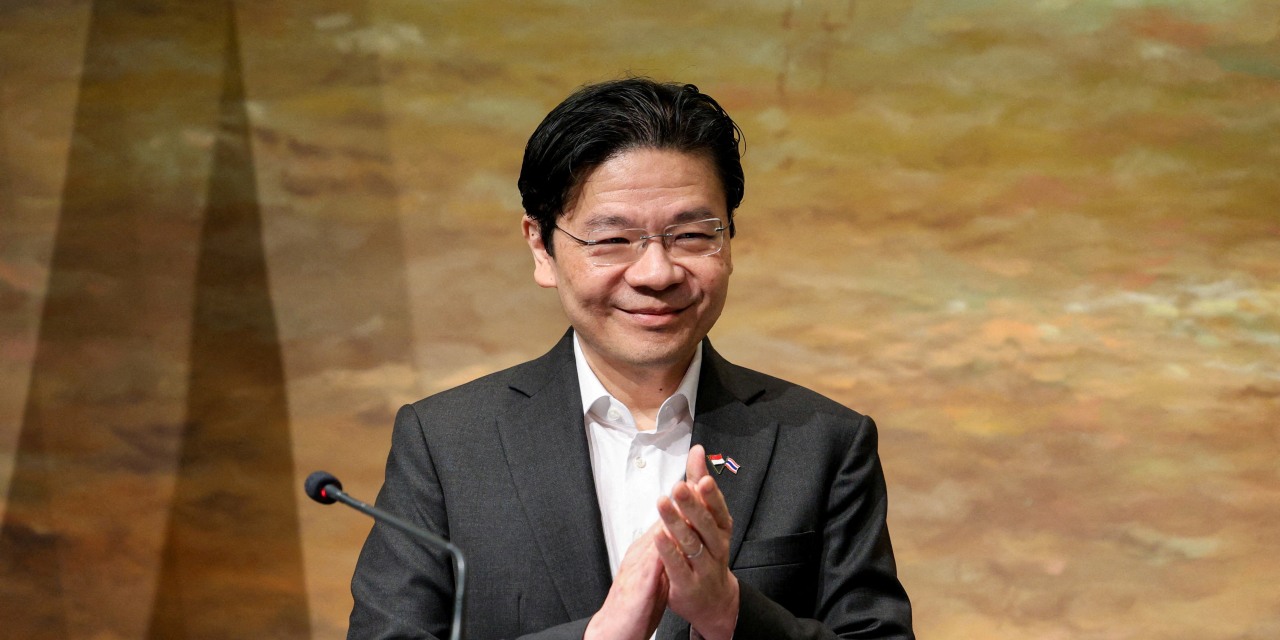
Singapore's Prime Minister Lawrence Wong is getting a massive pay raise. His salary will jump from S$2.2 million to S$3.6 million starting October 15 — a 64 percent increase that makes him the world's highest-paid political leader, according to BBC. But Wong said he will give the extra money to charity over five years.
The raise is controversial. Singapore's median monthly income is only S$5,775, showing a huge gap between leaders and ordinary workers. WSJ reports the raise comes as people worry about living costs and job inequality. The government says high pay attracts talented people and stops corruption, but critics say the timing is wrong.
Why Singapore is Raising Political Salaries
Singapore's government hasn't raised ministerial pay since 2012, when it actually cut salaries by 36 percent. Prime Minister Wong said the government cannot match what business leaders and senior civil servants earn. He argued that keeping political pay too low creates an unnecessary barrier for capable Singaporeans to enter government service.
The new system ties pay to performance and national outcomes. Ministers' base salary rises from S$1.1 million to S$1.2 million, with bonuses possible if unemployment drops, income grows, and GDP increases. This performance link encourages ministers to focus on measurable results that benefit citizens.
Other Officials Also Getting Bigger Paychecks
Junior ministers will get one-time raises of up to 9 percent, then additional increases based on performance and job responsibility. A junior minister earning about S$1.1 million today could make as much as S$1.8 million annually under the new arrangement, according to reporting on the policy changes.
The across-the-board increases affect all political office holders, not just the prime minister. The government framed the raises as necessary to keep Singapore's leadership competitive and to attract people with strong track records from both business and public service sectors.
Public Pushes Back on Income Inequality Message
Critics question the timing of the raises given rising concerns about living costs and job security for ordinary Singaporeans. Telegraph notes the stark disparity: Wong's new salary of S$3.6 million dwarfs the S$5,775 median monthly income, creating a salary gap of about 630 times.
The government's core argument is that high salaries prevent corruption and attract capable leaders. But skeptics argue the increases send the wrong message when everyday workers struggle with expenses. Wong's pledge to donate his raise to charity may be an attempt to ease public frustration over the decision.
Sentiment
Mostly PositiveNEGATIVENEUTRALPOSITIVE
Publishers
23
Articles
29
Reach
52
Topics
A
AnonymousAuthor


