Fall foliage updates
Fall foliage season begins as varying weather conditions slow peak color development
Anonymous
Key Points
1
Iowa forester Joe Herring said roadside sumacs are already turning “deep scarlet, maroon and burgundy,” while some maple trees have begun changing; he added that central Iowa typically peaks around mid-October, with northern areas changing sooner and southern areas later.
2
Herring said mild herbicide injury reported across Iowa this year has caused cupping and twisting in leaves, and it could affect the state’s fall color display.
3
In Central Appalachia, forecasters said nighttime temperatures may not fall into the 50s until late the following week, while drought could cause some already-stressed tree species to shed leaves early.
4
East Tennessee State University experts said the region needs significant, extended light rainfall rather than brief downpours; forecasts called for roughly an inch of rain on the Tennessee side and 1.5 to 2.5 inches in parts of North Carolina over the following week.
5
The New York report notes that peak color typically arrives first in the Adirondacks, followed by the Catskills, while New York City and Long Island are among the last areas in the state to see major changes; it also directs visitors to the state’s weekly regional foliage reports.
Fall colors are emerging across the Northeast and upper Midwest as the 2026 foliage season begins in earnest. The Adirondacks in upstate New York are seeing the earliest changes, with peak viewing expected to arrive there first, while warm nights and dry conditions are slowing color development in Tennessee, North Carolina, Virginia and West Virginia WITN. KGW notes that drought across much of the country is already impacting when and how vibrant the colors will be this year.
Adirondacks Turn Color First, NYC Falls Behind
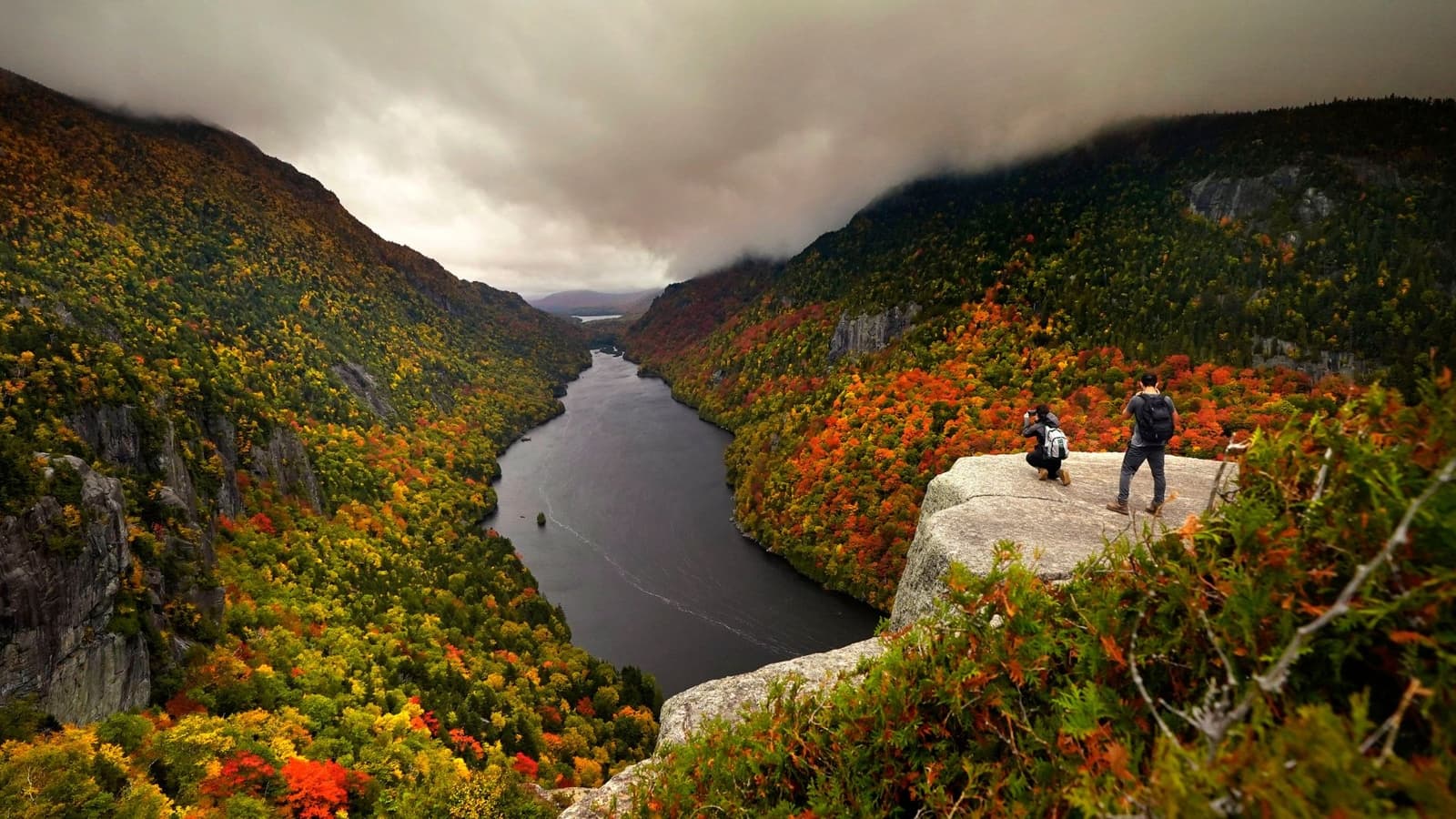
New York's Adirondacks, including areas near Tupper Lake and Long Lake, are displaying early color changes and will peak first in the state. The Catskills will follow next, while New York City and Long Island are expected to see major changes last, typically in October. Peak viewing across much of the Tri-State area is generally expected in mid to late October WITN.
Iowa Colors On Track For Mid-October Peak
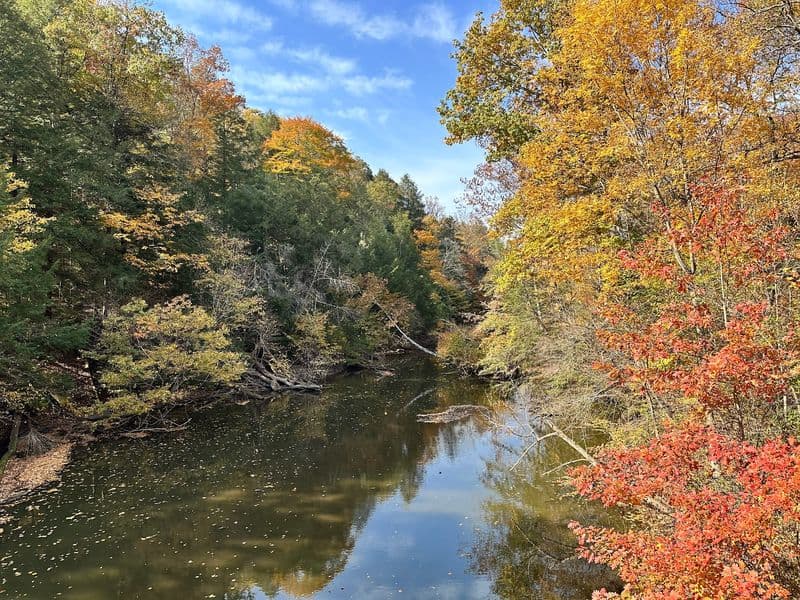
Iowa's fall colors are emerging on schedule this year. According to Iowa forester Joe Herring, roadside sumacs are already turning 3newsnow "deep scarlet, maroon and burgundy," while some maple trees have begun changing. Central Iowa typically peaks around mid-October, with northern areas changing sooner and southern areas later.
Herring warned that mild herbicide injury reported across Iowa this year has caused leaf cupping and twisting, which could affect the overall color display. Sunny days and cool nights generally produce the brightest reds, oranges and purples, so weather conditions over the next few weeks will matter greatly.
Appalachia's Dry Conditions May Cut Season Short
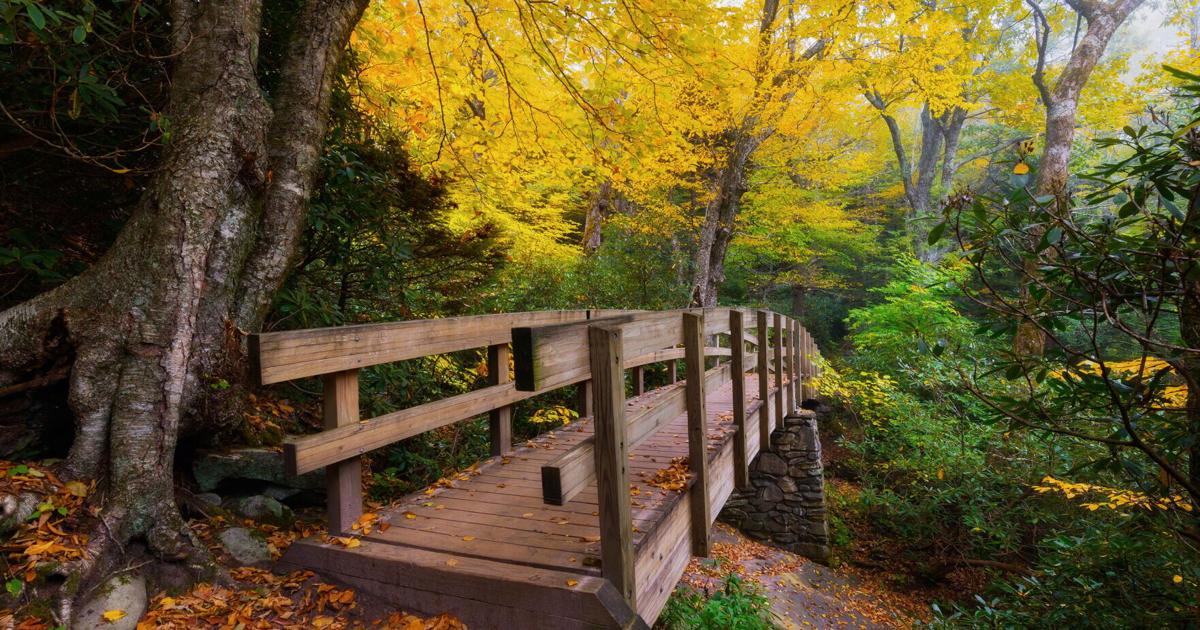
Warm nights and dry conditions are slowing color development across lower elevations in Tennessee, North Carolina, Virginia and West Virginia. Forecasters say nighttime temperatures may not fall into the 50s until late September, which trees need to trigger color change WITN. Higher elevations like Tucker County's Canaan Valley and Blackwater Falls are expected to offer prominent scenery as the season advances.
East Tennessee State University experts say the region needs significant, extended light rainfall rather than brief downpours to support healthy foliage. Forecasts called for roughly one inch of rain on the Tennessee side and 1.5 to 2.5 inches in parts of North Carolina over the following week. Drought could cause already-stressed tree species to shed leaves early.
New York's Wet Weather May Extend Or Damage Leaves
Recent wet weather in New York presents a double-edged sword for fall foliage enthusiasts. The moisture could either prolong leaf retention on trees or encourage fungal damage that shortens the viewing season. The state's weekly regional foliage reports provide updated color forecasts as the season unfolds WITN.
Sentiment
Mostly NegativeNEGATIVENEUTRALPOSITIVE
Publishers
17
Articles
22
Reach
39
A
AnonymousAuthor