Daylight Saving Time Status
Stalled Senate Legislation Puts Permanent Daylight Saving Time Effort at Risk
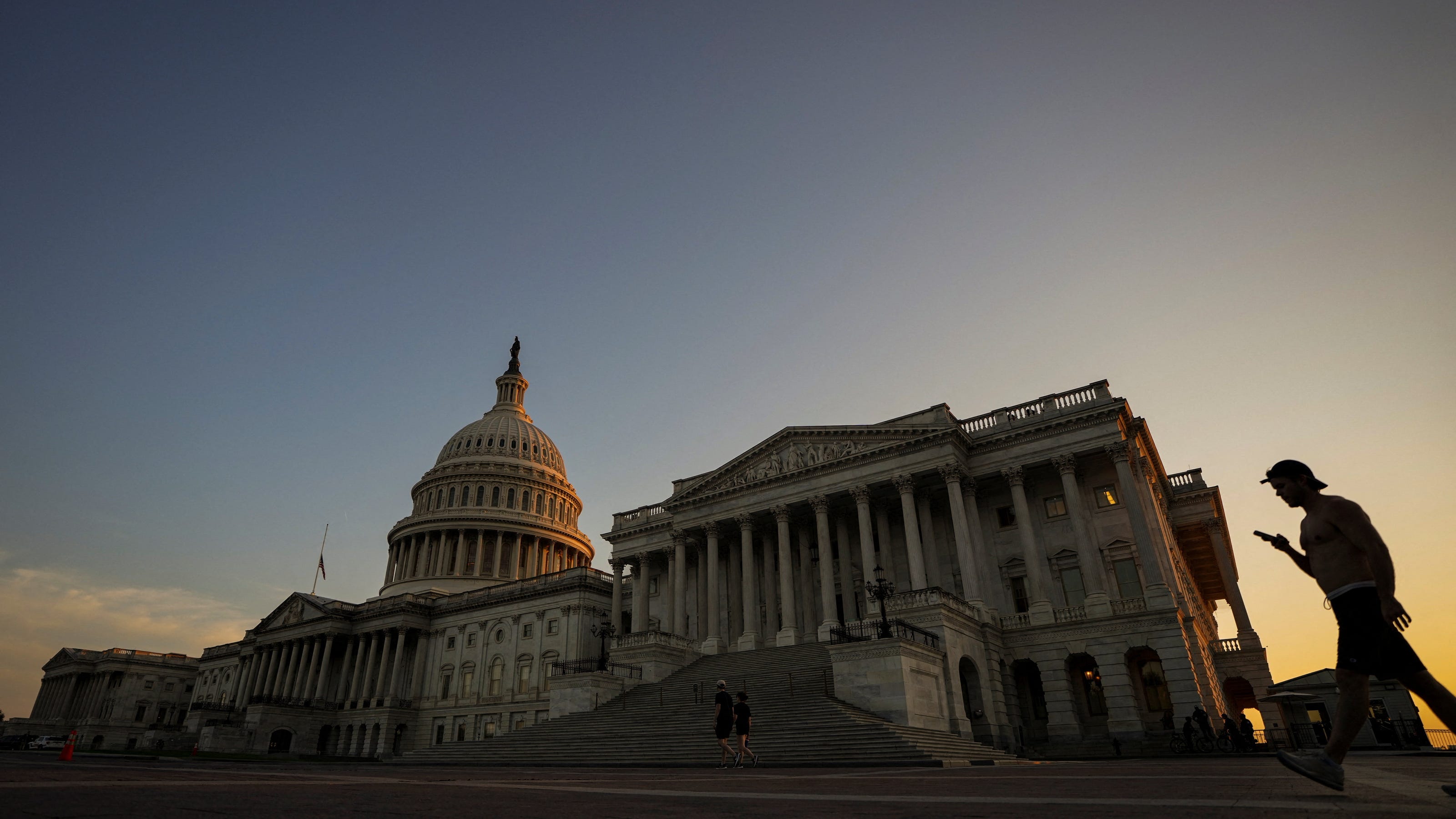
Florida's bid for permanent daylight saving time faces a critical deadline. Unless Congress passes and the President signs the Sunshine Protection Act, residents will move their clocks back one hour on November 1 Florida News Sources.
House Votes to Make Daylight Saving Permanent
The House of Representatives overwhelmingly backed the change, voting 308-117 in favor of making daylight saving time permanent House Vote Report. This would keep the United States on daylight saving time year-round, eliminating the twice-yearly clock changes that most Americans currently experience.
Senate Must Act Before November Deadline
The Senate has not yet voted on its version of the legislation. Two bills—S. 29 and H.R. 139—await Senate approval Senate Status. Time is running short. If the Senate does not pass the bill and the President does not sign it by November 1, the clock change will happen automatically.
States Could Opt Out Under New Rules
The legislation gives states flexibility. Any state could choose to keep standard time instead of permanent daylight saving time—but only if the state legislature passes its own law State Options. This means Florida cannot act alone. The federal law must pass first.
Why Florida Wants to Stay on Summer Time
Florida leaders argue that permanent daylight saving time would benefit the state's tourism and business economy. Longer evening daylight means more time for outdoor activities and shopping. Supporters say this change would help everyone enjoy more daylight during the year Economic Benefits.
Sentiment
NeutralPublishers
8
Articles
10
Reach
11


