Wiles Impersonation.
New British PM exchanged messages with impersonator of Trump's chief of staff.
Key Points
Burnham spoke with President Trump by phone shortly after becoming Prime Minister, setting out his vision for the UK and noting he hoped to show Manchester’s offer during a future visit.
The impersonation incident is linked to a broader pattern: last year, impersonators claiming to be Susie Wiles contacted a wide range of US officials—including senators, governors and top American business executives—prompting FBI and White House scrutiny.
FBI Director Kash Patel emphasized the seriousness of threats against the President, his staff, and cybersecurity, underscoring the agency’s commitment to protecting administration officials.
Reported discussions with the impersonator touched on topics such as the World Cup (co-hosted by the US), UK security, and securing shipping through the Strait of Hormuz.
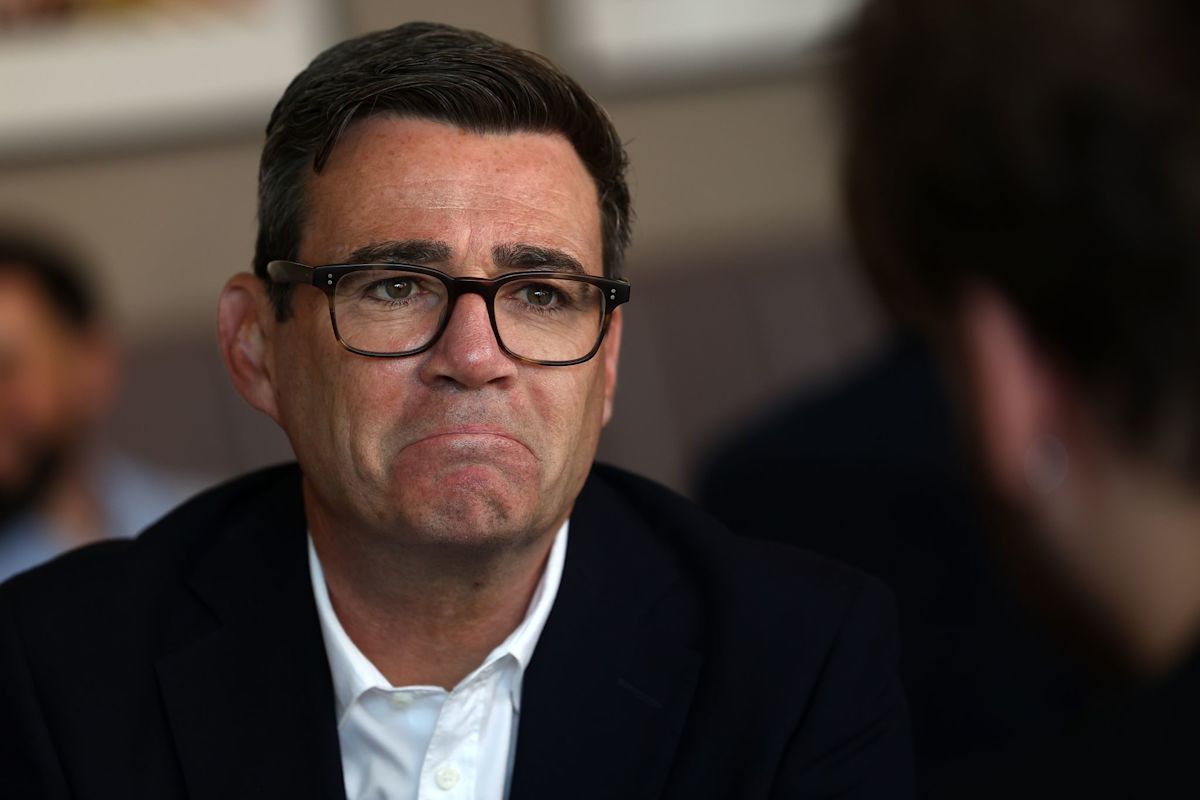
UK Prime Minister Andy Burnham exchanged text messages with someone impersonating Susie Wiles, Donald Trump's White House chief of staff, according to Financial Times and Yahoo News. The messages were sent both before and after Burnham took office on July 20.
The British embassy in Washington raised the matter directly with the White House after concerns emerged. Downing Street officials have downplayed the exchanges, suggesting they may be insignificant, but the episode has triggered a fresh security scare for the new prime minister Daily Mail.
What Burnham and the Impersonator Actually Discussed
The reported conversations touched on several serious topics. According to JFeed, subjects included UK national security, securing shipping through the Strait of Hormuz, and the upcoming World Cup, which is co-hosted by the United States. The exact content of the messages has not been made public.
Burnham also had a separate, legitimate phone call with President Trump shortly after taking office. In that call, he set out his vision for the UK and said he hoped Trump would visit Manchester in the future. That call was confirmed as genuine Yahoo News.
A Broader Wave of Wiles Impersonation Attempts
This is not the first time someone has posed as Susie Wiles. Last year, impersonators claiming to be Wiles contacted a wide range of US officials. Targets included senators, governors, and top American business executives, according to Financial Times.
The scale of those earlier attempts prompted both FBI and White House scrutiny. FBI Director Kash Patel stressed the seriousness of threats against the president, his staff, and US cybersecurity. There are also fears that Wiles' actual phone may have been hacked during one of those prior incidents Yahoo News.
UK Government Scrambles to Limit the Damage
UK officials have tried to play down the incident. Downing Street sources told reporters the exchanges were potentially minor and may not have contained sensitive information. The White House has not offered any public comment on the matter Daily Mail.
Still, the breach is embarrassing for a prime minister less than two weeks into the job. The British embassy's decision to flag the issue directly to the White House shows officials took it seriously, even as they downplay it in public Financial Times.
Why Impersonating Top Aides Is a Growing Security Threat
Impersonation scams targeting world leaders and their staffs are becoming more common. Fraudsters use fake phone numbers and text apps to mimic senior officials. Access to a leader's personal number makes the trick more convincing and harder to detect quickly JFeed.
The Wiles case highlights a weak spot. When an impersonator targets the same senior aide multiple times, it suggests that aide's contact details are widely known or leaked. That raises bigger questions about how secure communication between allied governments really is Financial Times.
Sentiment
Mostly NegativePublishers
51
Articles
187
Reach
238