Simplify Choices for Calm
Behavioral Scientists Argue Reducing Daily Choices Lowers Stress and Boosts Well-being
Anonymous
Key Points
1
The concept of 'maximizers'—people who seek the best option—can lead to reduced satisfaction and lingering doubts that a better choice might exist.
2
Schwartz argues that too many options can 'paralyze' rather than liberate, with the stark line: 'You can do anything, and you can't figure out which of those many things to do.'
3
Some researchers contend that the belief 'more choice is better' is deeply embedded in Western culture, contributing to decision anxiety.
4
Barry Schwartz is introduced as an emeritus psychology professor at Swarthmore University and author of The Paradox of Choice.
Having too many choices is making people more stressed, not more free, according to behavioral scientists. Experts now urge people to cut the number of daily decisions they make — and say their brains will be better off for it, according to KCRA.
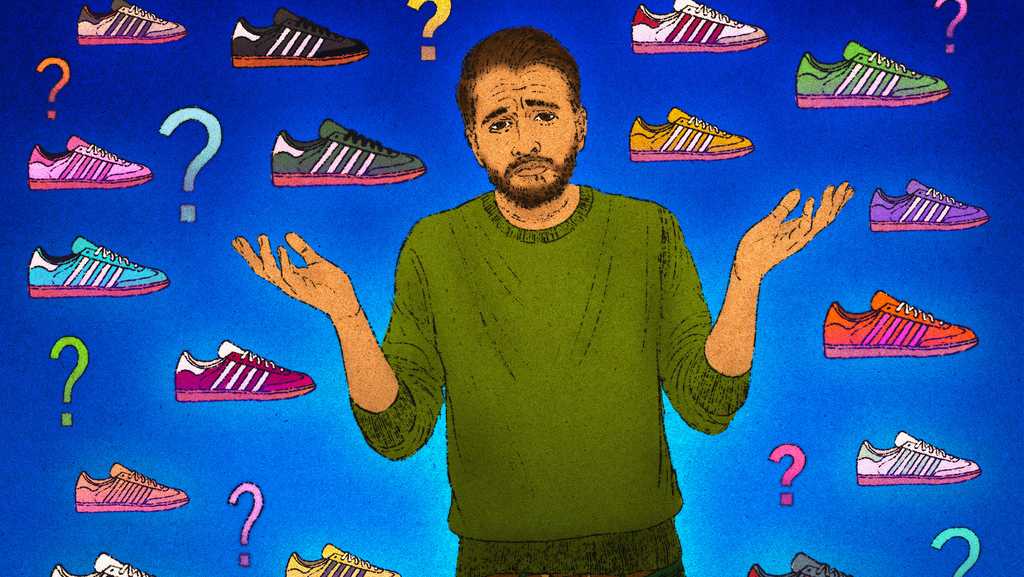
Barry Schwartz, an emeritus psychology professor at Swarthmore University and author of "The Paradox of Choice," has reviewed hundreds of studies on the subject. His conclusion is stark: more options often lead to paralysis. "You can do anything," he says, "and you can't figure out which of those many things to do," according to WMTW.
Too Many Options Leads to Anxiety and Inaction
Schwartz points to a clear pattern across studies: when people face more options, they are less likely to act at all. In retirement planning, for example, workers shown more investment plans are more likely to stick with the default — or choose nothing. The same holds true for healthcare, shopping, and even small daily decisions like picking a flavor or a homework topic, according to WGAL.
Even when people do make a choice from a large set, they tend to feel worse about it afterward. Regret creeps in. They wonder if another option would have been better. This feeling erodes satisfaction, even when the choice itself was a good one, according to WBAL-TV.
The 'Maximizer' Trap That Lowers Satisfaction
Schwartz describes a type of person he calls a "maximizer" — someone who always hunts for the single best option. Maximizers scan every choice before deciding. But this habit backfires. The more options they face, the more time and mental energy they burn. And in the end, they often feel less satisfied than people who simply pick something good enough, according to KOCO.
People who settle for "good enough" — Schwartz calls them "satisficers" — tend to feel more content with their decisions. They set a basic standard, find something that meets it, and move on. This approach protects them from the anxiety that comes with endless comparison, according to WMTW.
Western Culture's Deep Belief That More Is Better
Some researchers argue that the problem runs deeper than any single decision. The belief that "more choice equals more freedom" is baked into Western culture, according to WGAL. This idea feels natural and even obvious to many people. But the science tells a different story. More options often shrink freedom rather than expand it, by overwhelming the mind.
Schwartz says this cultural assumption is part of why so many people feel drained and anxious in modern life. Stores stock hundreds of versions of the same product. Streaming services offer thousands of shows. Every day, the average person faces far more choices than any previous generation, according to KCRA.
Simple Fix: Limit Your Options, Lower Your Stress
The remedy experts recommend is simple: reduce the number of choices you face each day. That might mean meal prepping to avoid deciding what to eat, limiting how many news apps you check, or picking just one or two options before shopping. Fewer decisions means less mental strain, according to WBAL-TV.
Schwartz says the goal is not to remove all choice. Choice still matters. But cutting down the daily decision load frees up mental energy for things that count. The research is clear: simplifying your choices does not limit your life. It improves it, according to KOCO.
Sentiment
Mostly NegativeNEGATIVENEUTRALPOSITIVE
Publishers
10
Articles
99
Reach
109
A
AnonymousAuthor