Soaring Jet Fuel Costs
US Airlines' May Fuel Spending Soars 84% to $6.66 Billion Amid Higher Jet Fuel Prices
Anonymous
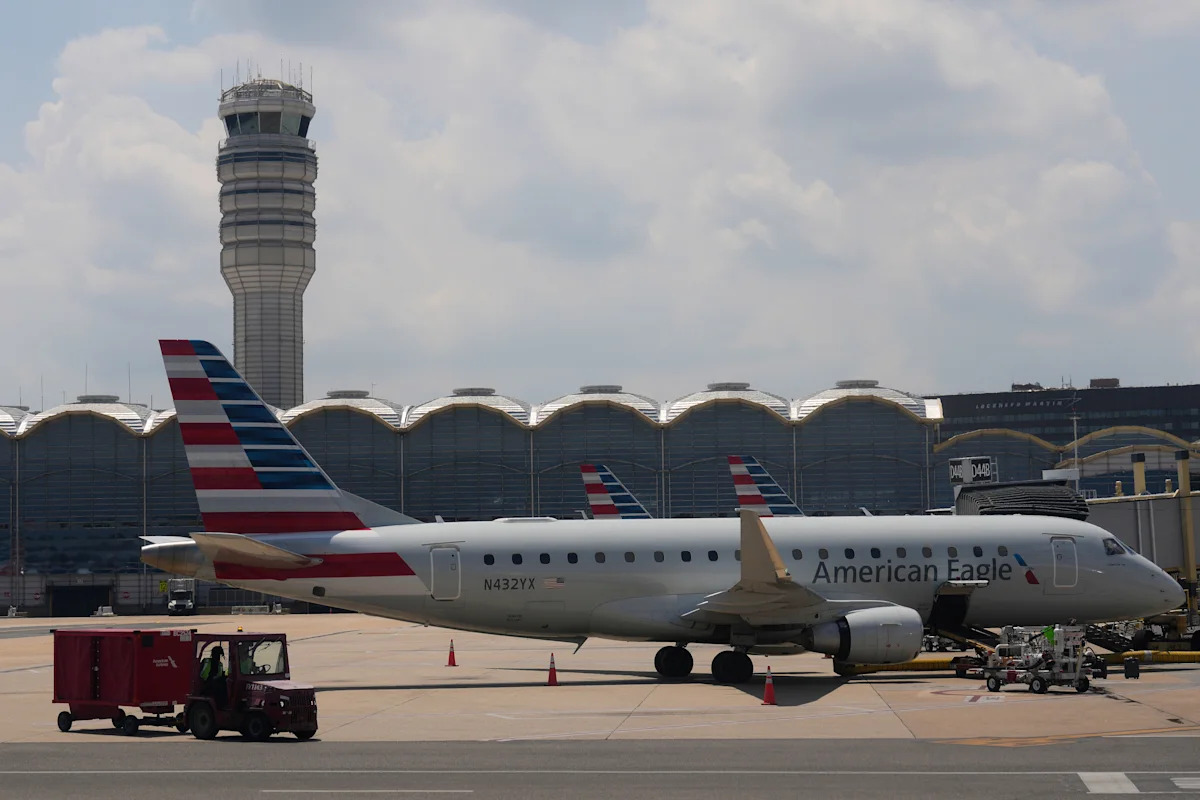
U.S. airlines spent $6.66 billion on jet fuel in May, an 84% jump from the same month last year, according to Seattle Times. It was the second straight month fuel costs topped $6 billion. The surge was driven almost entirely by higher prices — not airlines flying more.
The average price airlines paid for jet fuel in May was $4.09 per gallon, according to KIRO 7. That is 85% higher than the $2.21 per gallon they paid in May of the prior year. Fuel is one of the biggest costs for airlines, making the industry highly sensitive to energy price swings.
Prices, Not Volume, Drove the Spending Spike
Airlines did not fly dramatically more in May. The fuel bill ballooned because jet fuel itself got far more expensive. The average price of $4.09 per gallon in May was down slightly from $4.11 in April, according to KTAR. But it was still nearly double what airlines paid just a year earlier.
This distinction matters. When airlines burn more fuel, it often means more passengers and more revenue. But when prices spike without a matching rise in demand, airlines absorb the extra cost with little offset. That squeezes profit margins fast.
Second Consecutive Month Above $6 Billion Threshold
May marked the second month in a row that U.S. airline fuel spending exceeded $6 billion, according to Daily Gazette. Government data released Tuesday confirmed the $6.66 billion total. The back-to-back readings signal that elevated fuel costs are not a one-month anomaly.
For context, airlines paid far less per gallon just 12 months ago. The 85% year-over-year price increase means carriers are now spending nearly twice as much to fly the same routes. That kind of cost pressure is hard to absorb without raising ticket prices or cutting service.
Why Jet Fuel Costs Hit Airlines So Hard
Fuel is one of the single largest operating costs for any airline. It typically accounts for 20% to 30% of total expenses. Unlike fixed costs such as aircraft leases, fuel prices can change week to week. That makes airlines especially vulnerable when energy markets turn volatile.
Airlines have little control over what they pay at the pump. Some use financial tools called hedges to lock in prices in advance. But hedging is expensive and imperfect. When prices spike as sharply as they have, even well-hedged carriers feel the strain, according to Yahoo Finance.
Fragile Ceasefire Keeps Energy Markets on Edge
Global energy prices remain unsettled. An interim ceasefire agreement has been reached between two unnamed countries involved in a conflict, but the truce is described as fragile, according to News4Jax. Ongoing instability in oil-producing regions tends to keep crude prices — and by extension jet fuel — elevated.
Until energy markets stabilize, airlines face continued pressure on their bottom lines. The May data shows the industry is already deep in high-cost territory. A second half of the year without price relief could force carriers to make harder choices on fares and routes.
Sentiment
NeutralNEGATIVENEUTRALPOSITIVE
Publishers
16
Articles
16
Reach
16
A
AnonymousAuthor


