Kuwait Defends Airspace
Kuwaiti Air Defenses Intercept Aerial Threats Amid Rising Regional Tensions
Anonymous
Key Points
1
The targets engaged by Kuwait’s air defenses included drones, ballistic missiles, and cruise missiles, with interceptions taking place during the early morning hours and no major casualties or significant damage reported.
2
The incident is situated within a broader pattern of regional escalation linked to US–Iran tensions, with reports noting it followed the downing of a US helicopter and ongoing strikes attributed to Iranian forces.
3
Kuwait’s armed forces urged citizens and residents to obtain information from official sources and not be swayed by rumors, highlighting a focus on controlled public communications during the event.
4
Crypto-market context linked the Middle East tensions to price movements in Bitcoin and other cryptocurrencies, with reports noting volatility spikes during escalation events and mentioning Kuwait’s mining ban as part of regulatory measures.
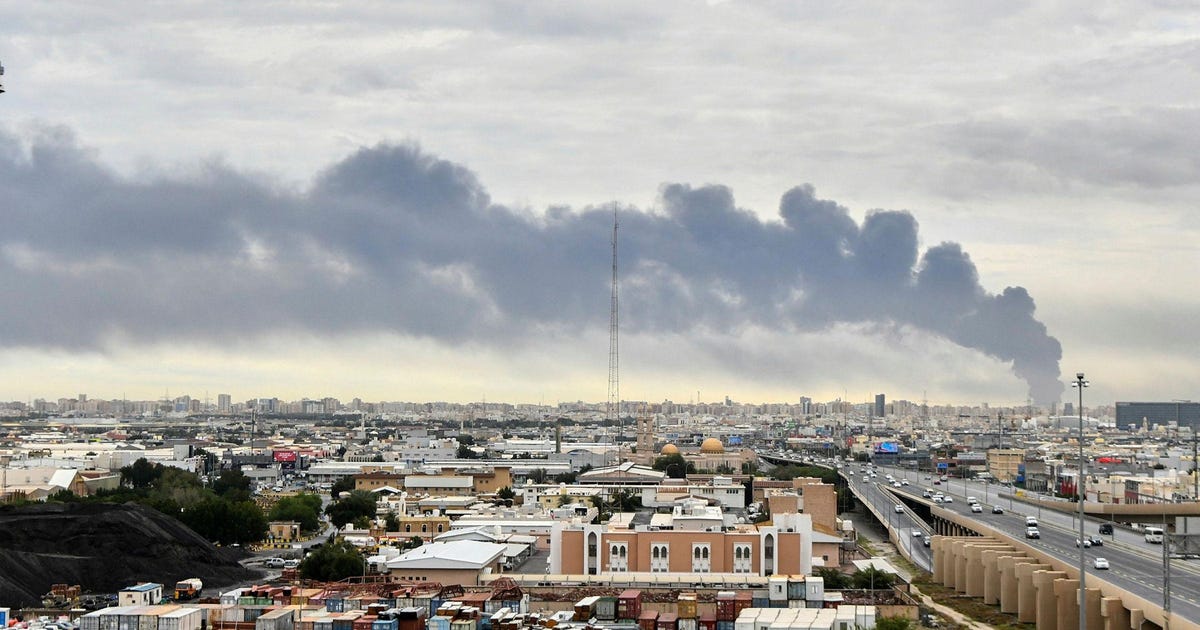
Kuwait's military intercepted hostile aerial targets — including drones and missiles — entering its airspace on June 10, with explosions heard across several areas of the country, according to Voice of Emirates and Yemen Online. The General Staff confirmed its air defense units engaged the threats in real time, with no major casualties or significant damage reported.
The Kuwaiti armed forces urged citizens to rely only on official sources and ignore rumors. Units remain on high alert and are coordinating with relevant authorities, the military said.
Drones and Missiles Downed in Early Morning Strikes
The intercepted targets included drones, ballistic missiles, and cruise missiles, Yemen Online reported. The engagements happened in the early morning hours. Kuwait's air defense systems fired mid-air, and the resulting explosions were heard in multiple areas across the country.
The General Staff said forces acted in line with established operational procedures. Voice of Emirates noted the swift response was seen as a sign of Kuwait's growing defensive readiness amid a rapidly shifting regional environment.
Iran-US Tensions Fuel Broader Gulf Escalation
The Kuwait incident is part of a wider pattern of escalation tied to US–Iran tensions, according to Crypto Briefing. The report linked the Kuwait interceptions to a series of retaliatory exchanges, including the downing of a US helicopter and ongoing strikes attributed to Iranian-backed forces in the region.
Haaretz reported that sirens also sounded in Bahrain around the same time, suggesting the aerial threat extended across Gulf states simultaneously. Regional governments have been rapidly enhancing airspace protections in response.
Kuwait Tells Public: Trust Only Official Channels
As the interceptions unfolded, Kuwait's armed forces made a point of controlling public communications. The military issued a direct call for citizens and residents to follow official safety instructions and not spread or believe unverified reports, Yemen Online noted.
This focus on managed messaging reflects a broader Gulf-region approach to conflict communications. Authorities did not publicly disclose specific details about the origin of the targets or any resulting damage beyond confirming the interceptions were successful.
Middle East Unrest Sends Crypto Markets Into Volatility
The Kuwait strikes rattled financial markets beyond traditional assets. Crypto Briefing reported that Bitcoin and other cryptocurrencies saw sharp price swings on June 10 as the news broke, with traders reacting to the sudden escalation in Gulf tensions.
The report also noted that Kuwait has a standing ban on cryptocurrency mining, part of the country's broader digital-asset regulations. Analysts flagged Middle East instability as a recurring trigger for crypto volatility, as investors move quickly between risk assets during geopolitical flare-ups.
Sentiment
Mostly NegativeNEGATIVENEUTRALPOSITIVE
Publishers
25
Articles
12
Reach
37
A
AnonymousAuthor


