UK-Iran Tensions Escalate
Britain Reaffirms Defensive Stance After Iran Warns Against US Base Use, Raising Regional Tensions
Anonymous
Key Points
1
New British Prime Minister Andy Burnham has been briefed on Britain’s recommitment to the bilateral agreement with the United States allowing use of UK bases for defensive operations, signaling political alignment with the stance.
2
The UK insists the US base-use arrangement covers defensive missions aimed at degrading missile sites threatening international shipping in the Strait of Hormuz, framed within a layered defense involving the Royal Navy, British Army, RAF, and NATO allies.
3
Iran claims UK bases such as RAF Fairford and the Diego Garcia facility are being used to support US strikes and denounces this as a violation of international law, arguing Britain is effectively aiding Washington in the conflict.
4
The IRGC asserts that the United States has exhausted cruise missile supplies and warns that any UK facility used to launch attacks would be treated as a legitimate target, signaling a potential escalation of hostilities.
5
Britain states it will continue to work closely with NATO and maintain advanced defensive capabilities as part of its national security posture amid heightened regional tensions.
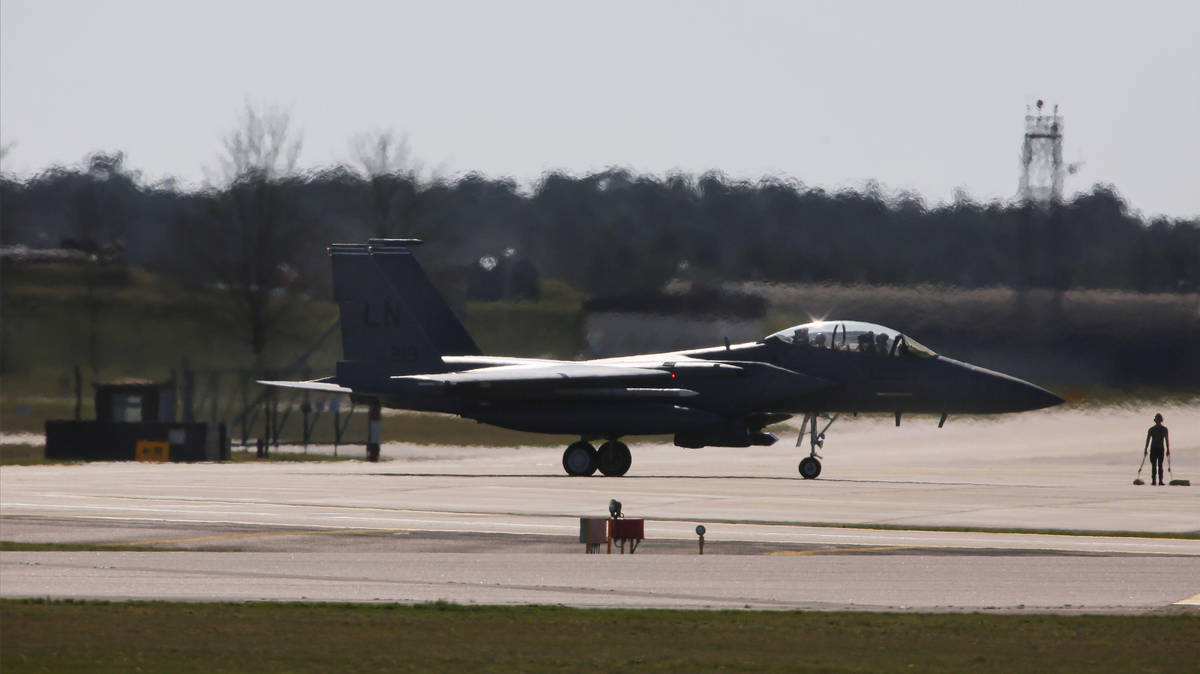
Britain has declared its armed forces ready to defend the country around the clock after Iran's Islamic Revolutionary Guard Corps warned that any UK base used to support US strikes would be treated as a "legitimate target," according to The Guardian. The threat followed Britain's decision to allow the US to launch defensive operations from UK facilities, including RAF Fairford and the Diego Garcia base in the Indian Ocean.
Iran's foreign ministry warned that Britain would be held directly responsible for any attacks carried out from its territory, LBC reported. The UK Ministry of Defence pushed back, insisting its armed forces stand ready 24/7 to defend British interests at home and abroad.
Iran Labels UK Bases Legitimate Targets After US Strikes
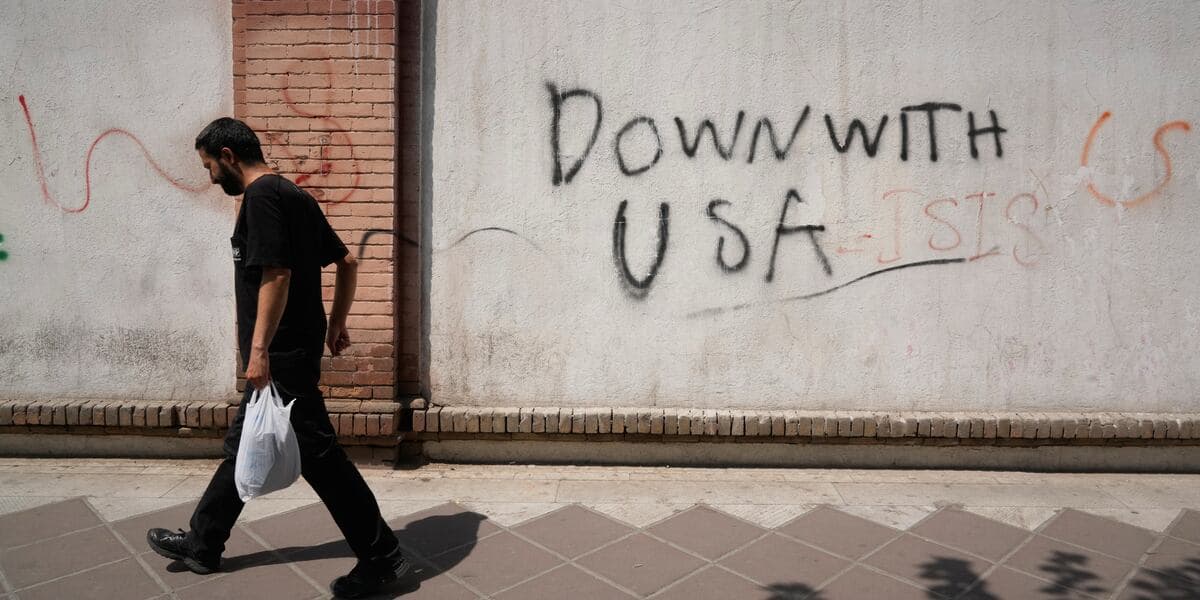
The IRGC's warning came after a 12-day US military campaign targeting Iranian missile sites, according to AOL UK. Iran accused Britain of helping Washington violate international law and the UN Charter by allowing US forces access to its military bases. Tehran argued that makes Britain a direct participant in the conflict, not just a bystander.
Iran also claimed the US has run down its cruise missile stockpiles during the campaign. The IRGC said that exhaustion of US munitions could push Washington to rely more heavily on bombers flying from British soil, raising the stakes for the UK's role in any future strikes.
UK Insists Base Use Is Strictly Defensive, Not Offensive
Britain said the arrangement with the US covers only defensive missions. The stated goal is to degrade Iranian missile sites that threaten international shipping in the Strait of Hormuz. The UK framed this as collective self-defense under international law, not an act of war.
The UK's defense posture involves a layered system of air and missile defenses. The Royal Navy, British Army, and Royal Air Force all play a role, alongside NATO allies, LBC reported. The government stressed it is not seeking wider involvement in the conflict and wants to keep its role narrowly defined.
New Prime Minister Andy Burnham Briefed on Security Pact
New British Prime Minister Andy Burnham has been fully briefed on the UK-US base-use agreement, according to Head Topics UK. His briefing signals that the government is politically aligned with the decision to continue allowing US access. There is no sign of a policy reversal despite Iran's threats.
Britain said it will keep working closely with NATO partners to maintain its national security posture. Officials acknowledged the heightened regional tensions but said backing away from the arrangement now would undermine collective defense commitments and send the wrong signal to allies.
Escalation Risk Grows as Tehran Warns of Retaliation
Iran's warnings mark a significant escalation in its rhetoric toward Britain. Until now, Tehran focused most of its anger on the US and Israel. Bringing the UK directly into its crosshairs raises the risk of retaliatory action against British assets or personnel in the region.
Analysts say Britain faces a difficult balancing act. It wants to support the US and protect freedom of navigation through the Strait of Hormuz. But it also wants to avoid becoming a primary target for Iranian retaliation. How that balance holds will depend heavily on whether US strikes from British bases continue or expand, The Guardian noted.
Sentiment
Mostly NegativeNEGATIVENEUTRALPOSITIVE
Publishers
10
Articles
33
Reach
43
A
AnonymousAuthor